

F&B processing industry cautiously welcomes the 2025 federal budget
The federal budget that was tabled Nov. 4, 2025, has received a mixed response from the Canadian food and beverage processing industry.
In a media release, Food and Beverage Canada (FBC) said it welcomed “the federal government’s continued recognition of the agri-food sector’s importance to Canada’s economic and food security in Budget 2025, including new tax credits, productivity-supporting measures, and investments in trade-enabling infrastructure. These initiatives are essential to spur investment, improve competitiveness, and ensure companies can meet growing domestic and international demand.”
It added that FBC was “encouraged to see the government commit to addressing greenwashing provisions in the Competition Act, an important step to ensure companies are not discouraged from investing in sustainability.”
It, however, was disappointed that the govt. didn’t create a Domestic Processing Fund, as announced by the Liberal Party in the last federal election. FBC has called for a $2-billion, five-year fund to strengthen Canada’s F&B processing capacity.
The federal govt.’s 2026-2028 immigration levels plan and its impact on food and beverage manufacturers is also concerning.
“Foreign workers are essential to operations across the country – particularly in rural and remote regions – and play a crucial role in ensuring Canada’s food security. We appreciate recognition of this reality and look forward to working with government to ensure future immigration policies support the stability of our workforce and supply chain,” the statement said. “We are encouraged by the proposed one-time measure to create clear pathways to permanent residency for up to 33,000 work permit holders in 2026 and 2027. This is an important step to retain experienced workers who are vital to our operations, and we look forward to further details.”
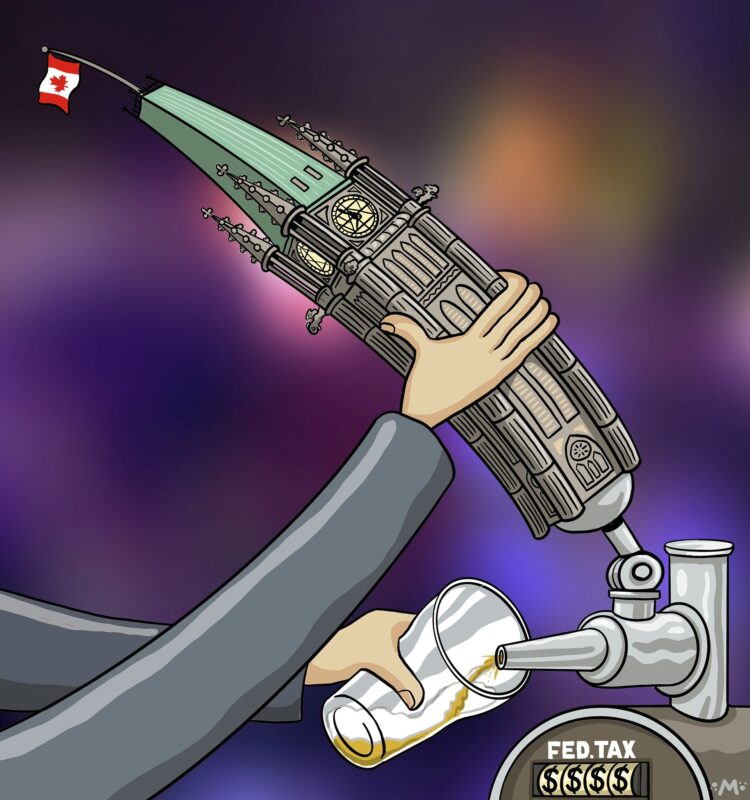
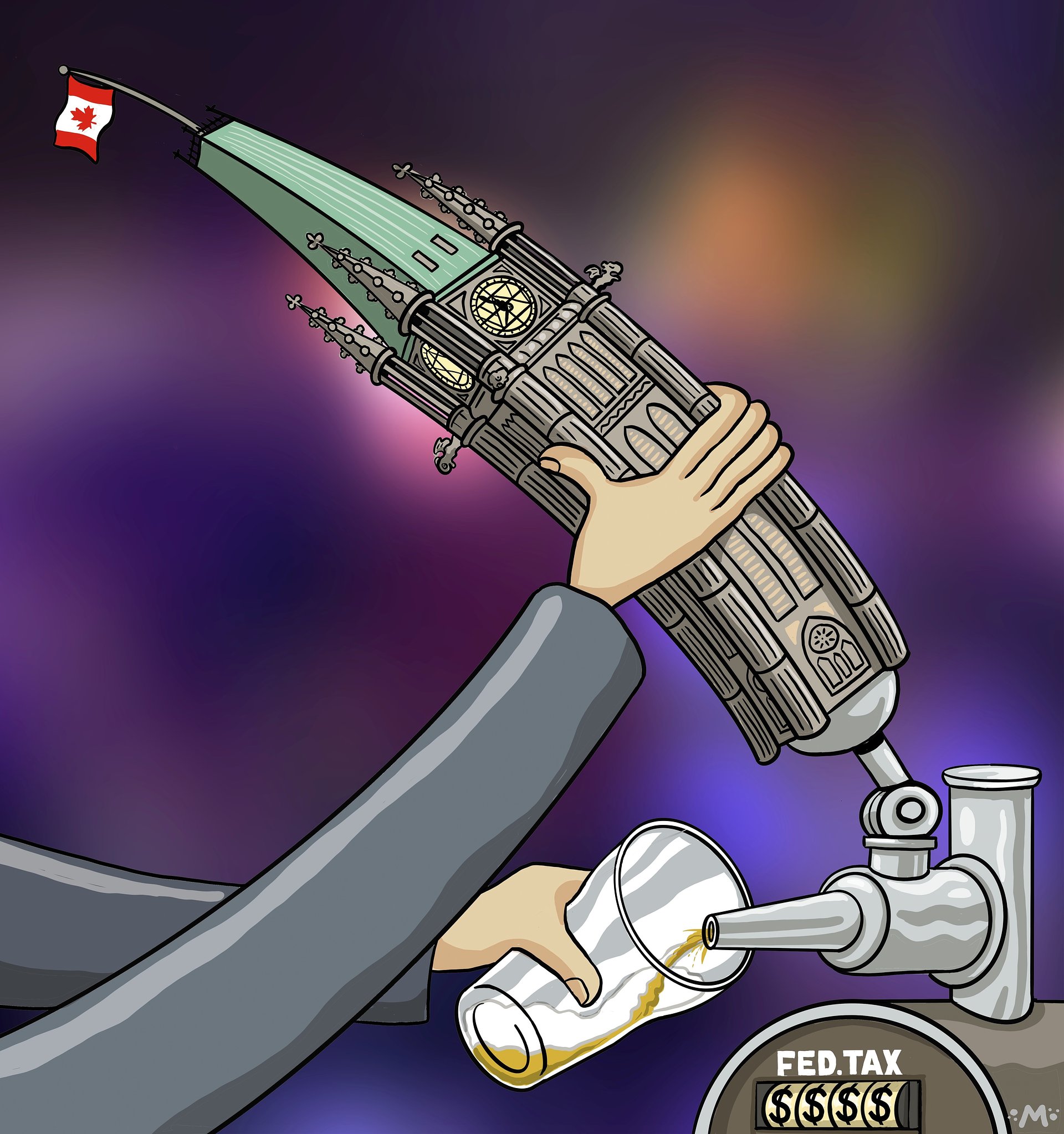
Beer Canada was completely disappointed by the federal budget, as the automatic annual escalator tax on beer wasn’t eliminated.
Introduced in 2017, the escalator was designed to automatically raise federal beer taxes each year in line with the previous year’s inflation. Since its inception, federal beer taxes have increased by more than 18 per cent.
“Affordability starts with ending automatic tax hikes on beer,” said Richard Alexander, president of Beer Canada. “Canadians already shoulder the highest beer taxes in the G7. The federal beer tax escalator keeps prices climbing and strains consumers, brewers, and the hospitality sector at a time when affordability is a major concern.”
Restaurants Canada found the budget underwhelming. It is also concerned about cuts to immigration, which will make it “challenging for foodservice businesses to hire for hard-to-fill roles and in rural, remote and tourism areas.”
“Temporary residents make up a small part of our total workforce, but they fill essential positions like chefs and cooks, hard-to-staff overnight shifts and roles in rural, remote and tourism regions where there are not enough local workers available. These workers allow our industry to be the fourth largest private sector employer, with over 1.2 million workers in every community. If a restaurant can’t hire a trained sushi chef, for example, it may have to cut staff hours or opening hours, or close entirely, putting Canadian jobs in jeopardy,” it said in a media statement.
Source: www.foodincanada.com