
Feeder market eyes fed cattle for direction
For the week ending Feb. 14, western Canadian feeder cattle prices were relatively unchanged compared to seven days earlier.
The deferred live cattle futures have been consolidating in a narrow range over the past month, which has limited the upside in the feeder complex.
Supplies of yearlings or replacements heavier than 800 pounds are increasing as backgrounding operators start liquidating fall-placed calves.
Quality and flesh conditions are quite variable on these cattle, resulting in a wide price structure for similar weight replacements.
Alberta packers were buying fed cattle on a dressed basis at an average price of $520 per hundredweight delivered, up $3-$5 per cwt. from a week earlier. Using a 60 per cent grading, the average live price would be $312 per cwt.
Read Also
The Western Producer Livestock Report – February 26, 2026
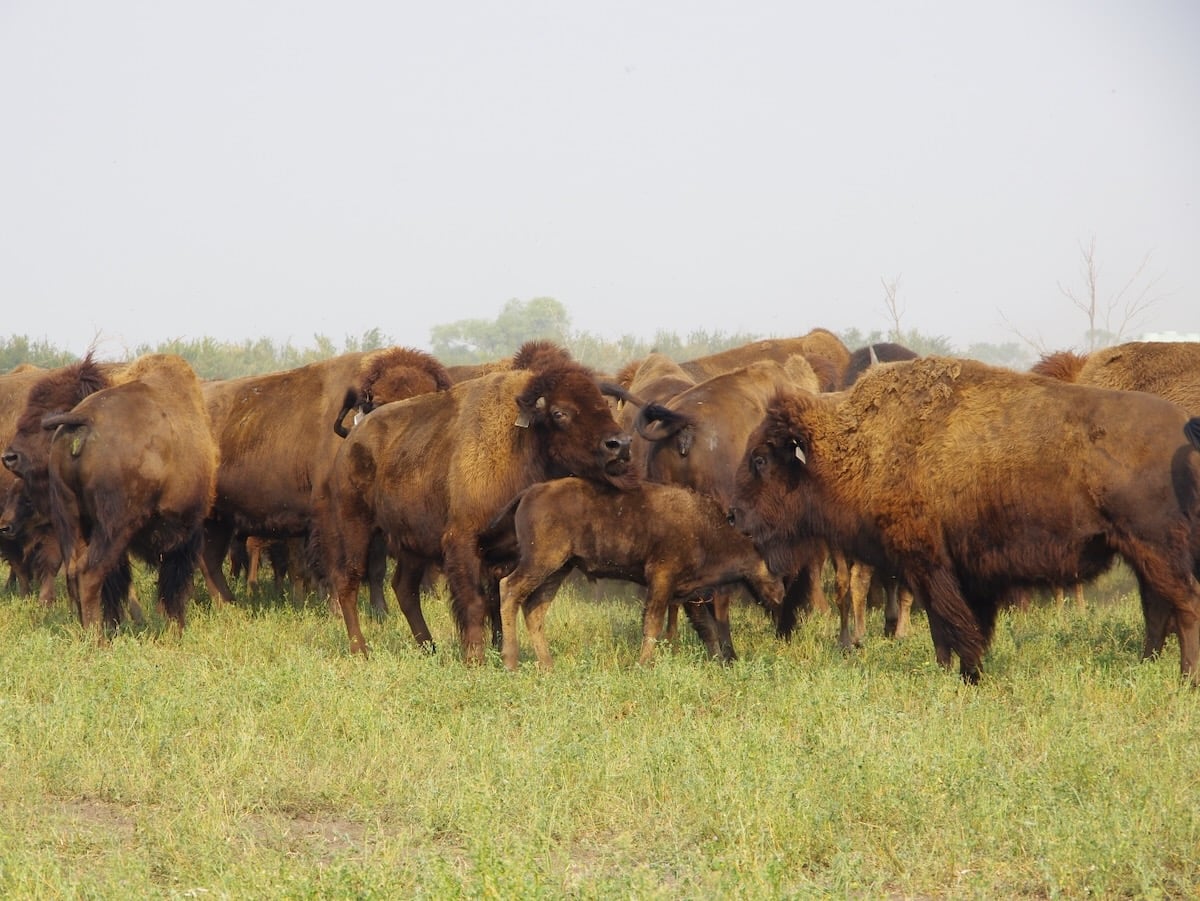
Western Producer Livestock Report for February 26, 2026. See U.S. and Canadian hog prices, Canadian bison and lamb market data and sales insight.
Break-even fed cattle prices on pen closeouts are in the range of $318-$322 per cwt. (all costs included such as feed, yardage and processing).
The TEAM video sale included a group of 62 Simmental-Angus wide, long-frame steers averaging 1,000 pounds with full processing data and implants on 10 per cent barley diet, that sold for $466 per cwt. f.o.b. farm near Lacombe, Alta., for immediate delivery.
The VJV market report from Ponoka, Alta., included a group of black mixed steers on 20 per cent barley diet with full processing records and implants evaluated at 858 pounds that priced at $509 per cwt.
A farmer southwest of Calgary reported that a pen of thinner, Angus cross, yearling heifers with full preconditioning records on light grain and silage diet averaging 875 lb. were valued at $473 that f.o.b. farm.
At the Lloydminster sale, a group of 46 medium to larger-frame Simmental steers with a mean weight of 721 lb. dropped the gavel at $586 per cwt. At the same location, a group of 89 Charolais cross heifers weighing 712 lb. were last bid at $527 per cwt.
At the VJV Westlock sale, a group of 34 Angus Simmental cross weaned steers averaging 677 lb. on five lb. of oats and silage diet with full preconditioned records sold for $610 per cwt.
The Killarney market report included a nine-pack of black steers weighing 621 lb. that were valued at $638 per cwt.
At the Ste. Rose sale, a group of 20 black heifers averaging 606 lb. were last bid at $588 per cwt.
At the Prince Albert, Sask., sale, a smaller package of exotic steers evaluated at 554 lb. sold for $692, and a trio of British-based steers weighing 506 lb. notched the board at $759 per cwt.
North of Calgary, a group of short-weaned red steers averaging a shade higher than 500 lb. with full health processing reportedly sold for $765 per cwt.
Beef supply, demand
According to the U.S. Department of Agriculture, U.S. first-quarter beef production is now expected to finish near 6.360 billion lb., down 200 million lb. from last year.
In the short-term, it appears that U.S. packers are well covered for their nearby slaughter requirements, which may negate the tighter supply fundamentals.
From September 2025 through January 2026, western Canadian feeder cattle prices were premium to U.S. values, resulting in larger imports of U.S. feeder cattle.
The market structure is changing. Alberta feedlot margins are in negative territory for April and May, while Kansas feedlots have positive returns throughout the spring.
We’re starting to see feeder prices in major U.S. markets reflect a premium over values in Manitoba and eastern Saskatchewan.
The U.S. and Canadian fed cattle markets are poised to trade higher during March and April.
Market-ready fed cattle supplies are declining while beef demand tends to surge during the spring period.
January and February are always the lowest months for restaurant spending. This will be supportive for the feeder market on both sides of the border.

Source: producer.com