Geopolitical upheaval has animal health implications
The geopolitical turmoil driving Canada to diversify trade relationships away from dependence on the United States has important implications for animal health and livestock production.
Broken trade relationships, shifting alliances and current and potential military conflicts are demanding a new emphasis on national security.
To achieve this, Canada must have the capacity to manage animal health, which requires cross-level investments in animal health surveillance, livestock production, biosecurity, education and research.
Read Also
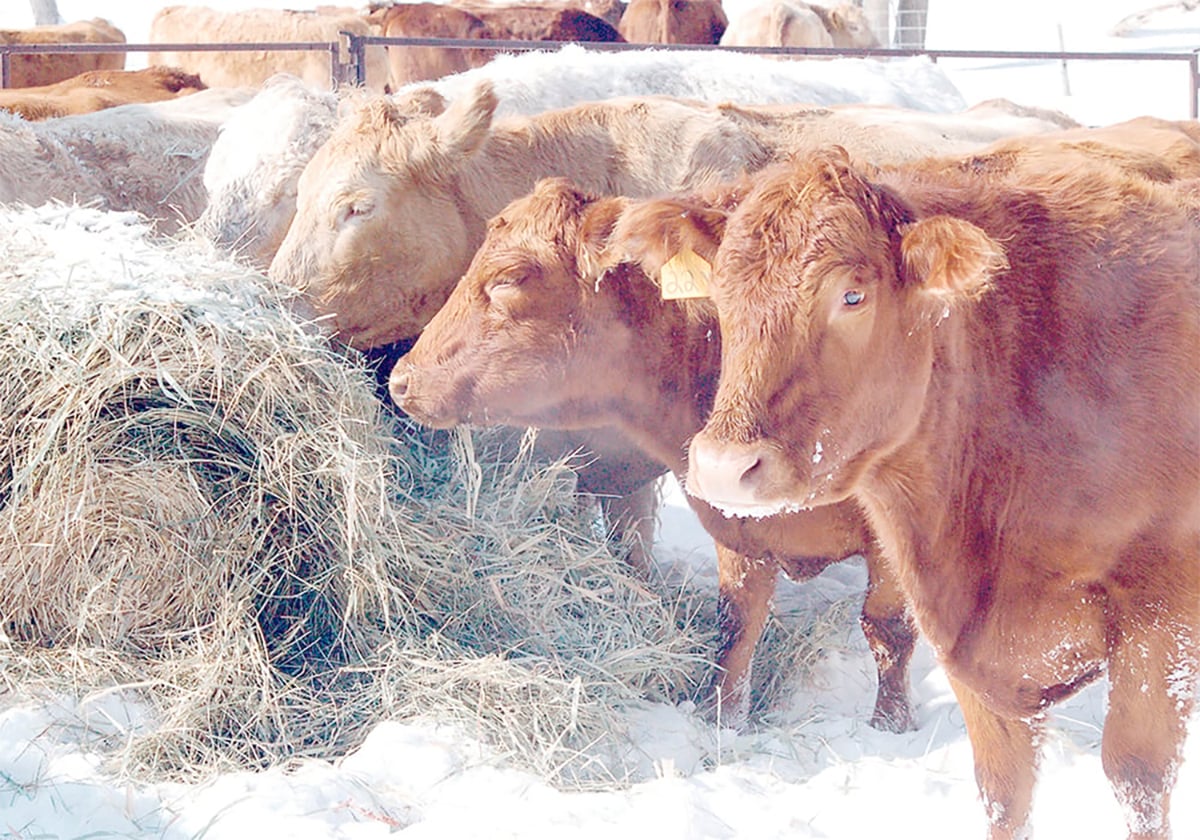
Winter grazing strategies cut costs
A Manitoba beef producer says his winter grazing strategies are reducing reliance on stored feed, but an expert warned cost-saving measures don’t always meet cattle’s nutritional needs.
It is imperative that we maintain and support our agricultural industries to ensure sustainable and safe domestic food production.
A vibrant Canadian livestock system includes, for example, feeding hogs here instead of sending them south, milking cows and processing the milk here, raising our own beef cattle and ensuring that there is domestic production of poultry meat and eggs.
We should remove impediments to interprovincial trade in food products, such as differing inspection rules, while taking advantage of regional production zones.
Canadian production systems have many challenges, but the global open market alternative would further increase dependency on imported food, a risk we should not be willing to take.
Historical global conflicts resulted in food-related hardships, such as rationing, trade disruptions and famine. We should remember this history and draw on it to ensure capacity for domestic food production.
However, within our system that prioritizes national food security, opportunities remain to produce the safe, nutritious, humanely raised animals and animal products that the world needs. In this regard, let’s aim to be literally on the menu.
However, now is not the time to compromise on our food safety regulations, food inspection and disease surveillance work. Our access to international markets depends on the health of our livestock and our wildlife.
This is the time to double down on biosecurity, not only to keep our livestock healthy and free from transmissible diseases we know circulate in Canada already, but also to reinforce our commitment to maintaining disease-free status from serious foreign animal diseases such as foot-and-mouth disease and African swine fever.
As well, we should aim for stronger infectious disease control, drawing on examples such as Denmark’s eradication of bovine viral diarrhea, a disease that remains endemic in Canadian cattle.
Pathogens don’t respect borders, and infectious diseases are an airplane ride away.
Our best defence against the harms of importing foreign animal diseases are enhanced on-farm and border biosecurity, coupled with robust disease surveillance.
These are also our best defences against the ongoing threat of bioweapons that could target our agricultural sector.
Bioweapons are real and significant potential threats, not fiction. Malicious and deliberate introduction of foreign animal diseases could have devastating impacts on our food-producing animals, economy and international trade.
In the past, Canada’s efforts to safeguard livestock health were often done in conjunction with U.S. counterparts. This level of co-operation may be a thing of the past, given the budget cuts to American sectors that supported this joint work.
There are historical examples where disease control in Canada surpassed our American neighbours. Specifically, Canada eliminated contagious bovine pleuropneumonia over a decade before the Americans, ensuring a healthier cattle population.
The regulatory measures set the foundation for the Canadian Food Inspection Agency.
Recently, we prevented avian influenza in dairy cattle, a disease widespread in American herds, highlighting our ability to act decisively and effectively to safeguard Canadian agriculture.
Beyond livestock, there is also an ongoing need to monitor and protect wildlife health.
This is essential to sustain our livestock product exports and also because of their inherent role in creating the thriving ecosystems and their deep cultural significance.
Protecting Canada’s food supply through animal health also means investing in post-secondary education, training world class veterinarians, animal scientists and agronomists. This also requires agriculture and animal health research. And it means cultivating the next generation of Canadian scientists to do this work.
With growing international uncertainty, Canada must have the scientific capacity to detect and contain disease outbreaks and support domestic production. Backing Canadian animal health education and research is a smart, long-term investment.
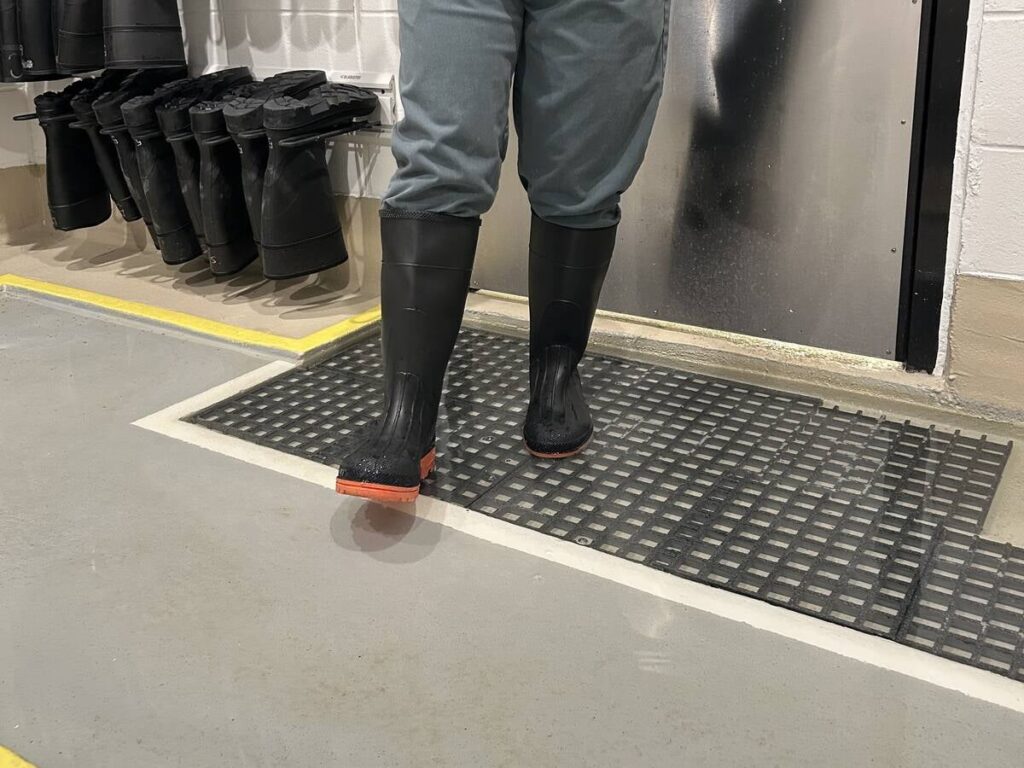
It’s time for boots on the ground, boots on the ice and boots on the farm — clean and disinfected ones that meet high biosecurity standards and keep diseases out.
Protecting Canadian agriculture should be a national priority in these uncertain times. Elbows up, pitchforks up.

Source: producer.com