

Is the 'Buy Canadian' push proving profitable for local fashion brands?
The initial threat — and eventual rollout — of tariffs on Canadian goods entering the U.S. earlier this year prompted a robust callout among consumers to ‘Buy Canadian.’
With shoppers looking to support homegrown labels, and keep their dollars from going south of the border, the opportunity for local companies of all sizes and types to benefit from the patriotic push seems stronger than ever.
“Customers are not only more aware, but also more vocal about supporting local businesses and locally made products,” says Amanda He, founder of the
Vancouver-based fine jewelry brand Poppy Finch.
Groups with thousands, and even a million, members highlighting local businesses and brands have popped up on various social-media platforms. On Facebook,
boasts more than 1.4 million members and features countless posts featuring a variety of goods ranging from crafts and artists, to food, stores and more.
These groups, along with the increased general sentiment toward supporting local, have led to a welcome boost in awareness of and traffic to Canadian brands, insiders say.

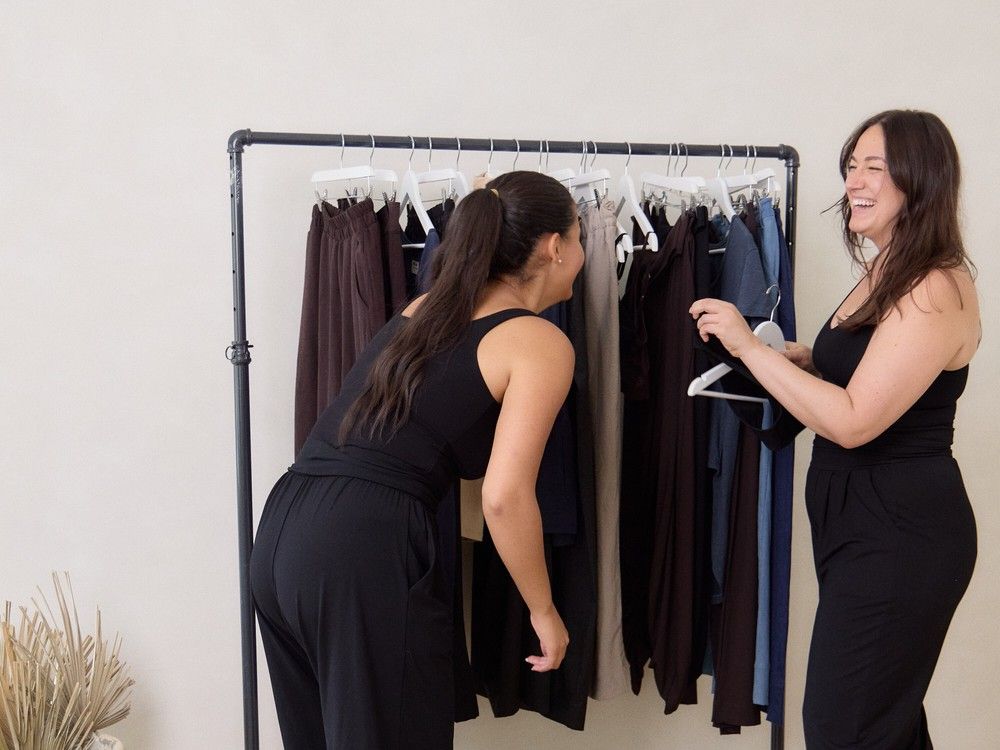
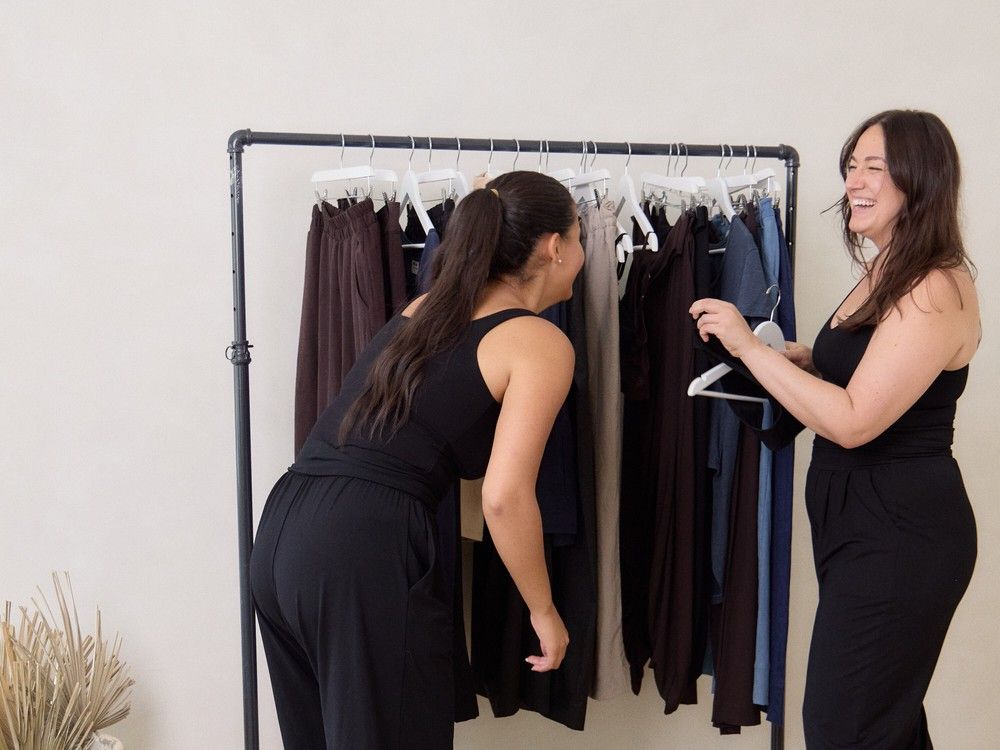
“We are seeing huge bursts of traffic, often from online shoutouts, like the Made in Canada Facebook group,” says Jess Sternberg, owner of the made-in-Vancouver clothing brand
In April,
that predicted the ‘Buy Canadian’ movement could “add roughly $10 billion to the Canadian economy annually.”
But, with so much buzz around buying Canadian, are brands seeing an actual boost in sales?
According to Sternberg, that bounty of Canadian business hasn’t exactly blossomed as expected.
“When the threat of tariffs and the push to Buy Canadian started earlier this year, I expected our U.S. sales to decline — about 35 per cent of our sales come from the U.S. — and our Canadian sales to grow,” she says. “But the reality is a little different. Our traffic from Canadians has skyrocketed, while our sales have actually declined a bit.”
The big push in traffic to their online platforms, Sternberg notes, has also not translated to more subscribers.
Local clothing company Smash + Tess
, which manufactures a portion of their designs in Vancouver and some overseas, reports the ‘buy-Canadian’ movement has helped build on its base of support from domestic shoppers that has been fostered by its partnerships with Canadian
influencers such as Jillian Harris and Sarah Nicole Landry.
“While we’ve been fortunate to have a strong, loyal Canadian customer base since our inception, we’re feeling an even stronger connection to our community who value supporting our Canadian, women-owned business,” says CEO Ashley Freeborn. “That said, we didn’t experience an overnight shift in demand in the same way as some industries like household products and groceries.”

For He, who has been manufacturing her brand’s fine jewelry pieces locally since starting the company in 2014 — “Canada has the resources, talent and technology to do things the right way. That’s why we’ve always kept our production in-house,” He says proudly — the absence of a spike in spending from Canadians, coupled with the rising cost of gold, has put a difficult squeeze on her business.
“We can’t simply pass on all the added costs to our customers,” He explains. “We’ve had to absorb some of the impact, which affects our margins and makes it more challenging to grow.”
He says another hurdle to business has been the lingering general uncertainty around the tariffs and importing costs.
“Unclear rulings from both the Canadian and U.S. governments have disrupted our operation — causing delays in clearing imported materials and inaccurate tariff charges we constantly monitor and dispute with customs on both sides of the border,” she says.
The companies we spoke with all reported an aspect of business amid the tariffs: their U.S. customers are, by and large, continuing to shop with them.
“Our U.S. orders have, ironically, held steady despite the threat of tariffs and air of unknown,” says Sternberg. “So, we’re thankful that the overall impact has been less than anticipated.”
Freeborn points to her company’s continuing partnerships with online influencers and content creators south of the border as a factor that has served to stave off any potential drops in business from American customers.
“We do our best to maintain partnerships with influencers and creators in the U.S. who continue to help us promote, so we haven’t seen too much impact,” she notes.
The key to building on the momentum of ‘Buy Canadian’ is to connect with customers who are not only willing to discover and support homegrown offerings, but to invest in them.
“We’ve experienced firsthand the impact of finding value-aligned customers who want to spend their hard-earned dollars with brands that are consistent with their own values,” says Freeborn. “I think this sentiment will only grow stronger with the ‘Buy Canadian’ movement, which is encouraging to see.”
In a slow economy, and with the cost of living restricting many Canadian’s purchasing power, accepting the higher cost of Canadian designed and made goods remains a sticking point, Sternberg says.
“I know many Canadians want to shop locally, but when it’s time to check out, they often become disenchanted by the difference in price,” she says. “Canadian-made is expensive. Most of our fabrics are milled and dyed in Canada, and our garments are cut and sewn. Even our labels are produced in Canada. When you consider the high cost of domestic rent, wage and shipping it makes sense — but the average consumer is far too used to bargain prices from overseas manufacturers that employ low-wage workers and manufacture in bulk.”
There are good reasons, she underscores, why buying Canadian products comes at a higher cost.
Related
Source: vancouversun.com