
Milk concentration plant officially opens in Alberta

Glacier FarmMedia – The Dairy Innovation West milk concentration plant officially began operations Oct. 3 near Blackfalds, Alta.
The first ever of its kind in Canada, the nearly $82 million facility is capable of processing 300 million litres of raw milk, with capacity to expand to 467 million litres in the future.
Current anticipated raw milk intake volumes are expected to be 43 million litres next July and increasing to 321 million by July, 2030.
Read Also
Biochar system to process crop waste
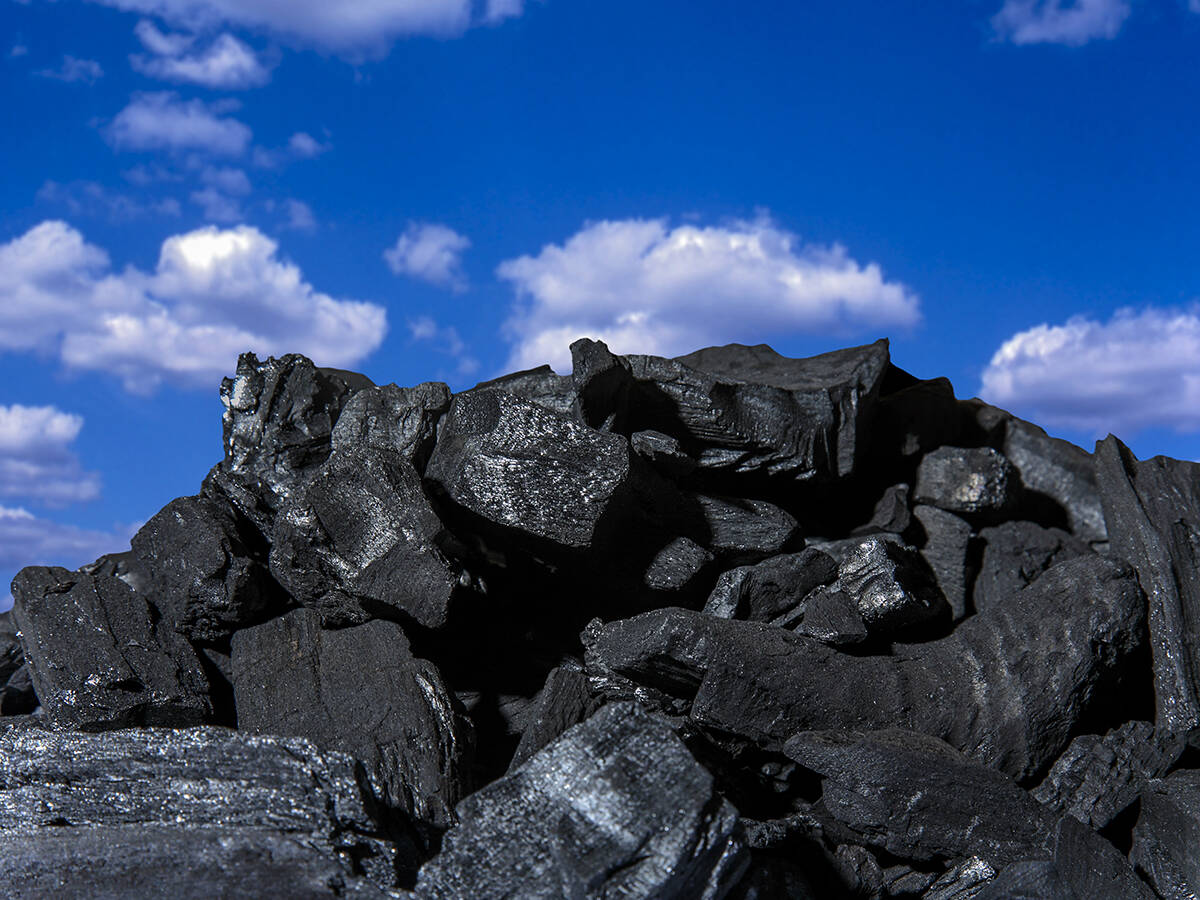
The technology bakes crop and animal waste, as well as municipal waste, and processes it into biochar, which enhances soil and sequesters carbon.
Why it Matters: Raw milk processing facility the first of its kind in Canada.
Alberta Milk has entered into a milk concentration agreement with DIW on behalf of the Western Milk Pool (BC Milk, BC Dairy, Alberta Milk, SaskMilk, and Dairy Farmers of Manitoba).
The processor licence Alberta Milk has issued to DIW has some conditions to ensure the facility only provides a pre-competitive service to processors and does not compete with processors in the market.
“DIW never owns the milk that passes through it, and it’s not permitted to buy or sell milk or dairy products,” Alberta Milk general manager Reuben Joosse recently told those attending the organization’s fall meeting in Lethbridge.
“The milk concentration services agreement includes a standby fee of $8.65 million annually. The standby fee represents set costs that ensure DIW can provide concentration services to processor customers. All producers share the cost of the standby fee, as all interprovincial cost savings achieved by DIW are shared by all producers. The four western milk marketing boards have received the necessary approvals to enter into a cost-sharing agreement.”
DIW is expected to be a net cost of $5.65 million to producers in the first year, but eventually shift to net savings of $15 million by the fifth year.
The facility uses reverse osmosis and ultra filtration technologies to process raw milk directly from dairy farms.
This reduces milk to a concentrated form before it is transported to producers of cheese, butter, yogurt and other dairy products.
The plant is equipped with state-of-the-art containment and filtration systems as well as a clean-in-place system, which enables daily sanitation without dismantling equipment. It uses large vats of sanitizing chemicals to flush pipes and pumps, ensuring that all equipment remains sterile.
The key operational contractor is WD Processing.
DIW is expected to be at full utilization rates in two years.
Grant funding came from the Alberta Agri-processing Investment Tax Credit ($7.5 million), the Sustainable Canadian Agricultural Partnership Emerging Opportunities Program ($1 million) and Emissions Reduction Alberta ($8.4 million).
It’s hoped the plant will help the dairy industry meet its net-zero gas target by 2050.

Source: producer.com