
Modernized Veterinary Assistance Program expands eligibility
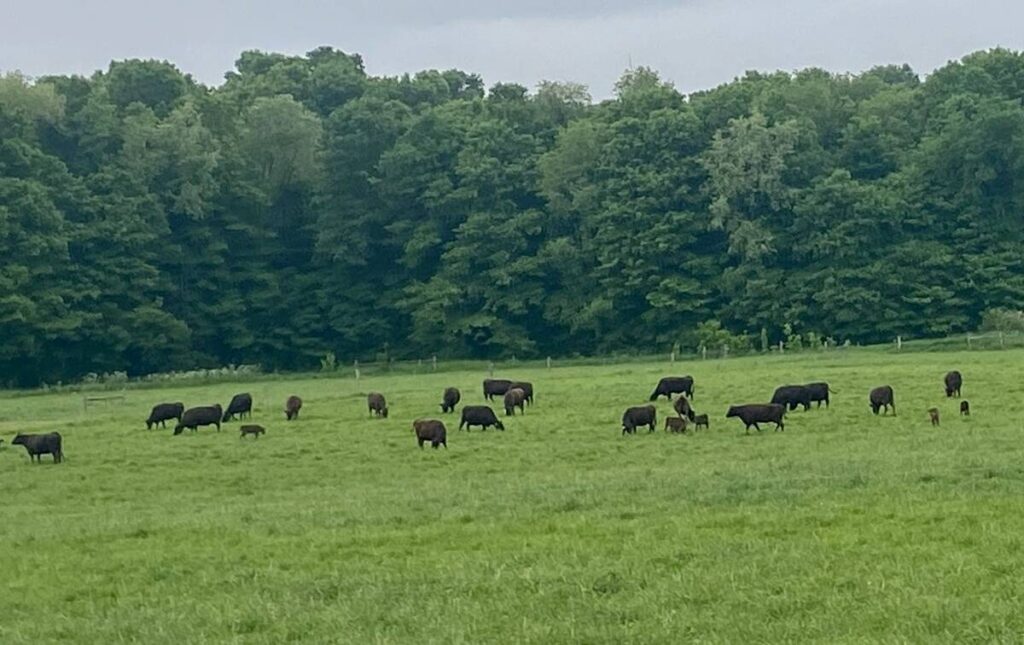
Ontario’s expanded Veterinary Assistance Program (VAP) will include registered veterinary technicians and telemedicine services beginning April 1.
Northern Economic Development and Growth Minister George Pirie emphasized the program’s legacy, stating, “The Veterinary Assistance Program has a long history of supporting veterinarians and farmers. This redesign is an important first step in strengthening the program to better support agricultural production.”
Why it matters: In 2025, the VAP underwent its first formal review in 21 years, during which stakeholders identified key areas for improved access, efficiency, and long-term sustainability.
Read Also

Ottawa Valley Farm Show returns with tech, tradition and community
The 67th Ottawa Valley Farm Show celebrates tradition, farm families, technology and research with live music and family-friendly events March 10-12. The traditional Seed Auction continues to raise funds for Children’s Hospital of Eastern Ontario.
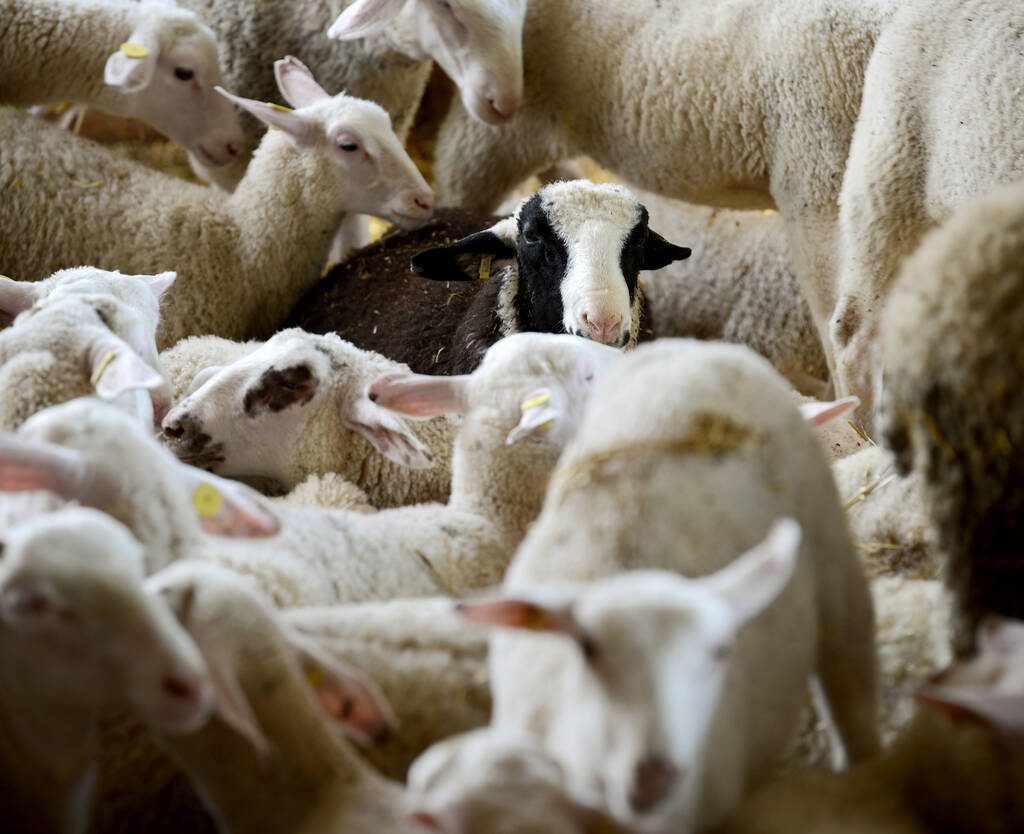
The VAP updates include expanding application eligibility to all veterinary practices within eligible areas and to registered veterinary technicians and recognizing honeybees and fish as eligible livestock.
It streamlines applications, allowing submissions to be made directly to the Ministry of Northern Economic Development and Growth.
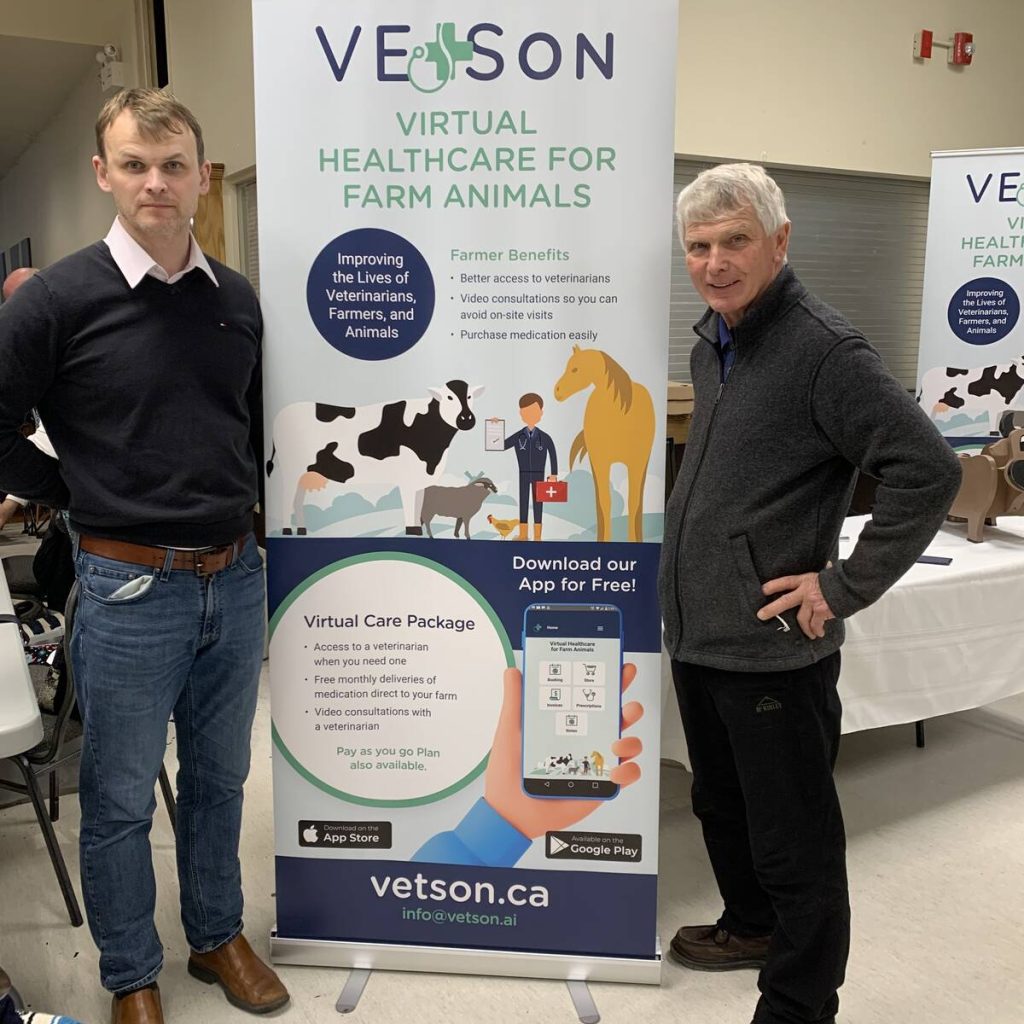
The changes will increase isolated veterinarians’ call rates by nine per cent, per-kilometre compensation rate for non-isolated veterinarians by 30 cents and allow telemedicine to be an eligible expense.
Pirie said that updating budget allocations, along with reducing red tape, should ensure available funding is fully utilized.
“There’s no fear of failing forward. If we need to do more, we’ll do more. But let’s get started,” Pirie added. “The fact that it’s (the budget) is not being fully utilized says everything about the effectiveness of the program. We want to make sure the budget is used because there’s an incredible desire or need.”
Jason Leblond, president of Beef Farmers of Ontario, said the modernization of the VAP is a critical step toward bridging the gap in ensuring beef farmers have reliable access to critical veterinary care services.
“For our sector to thrive, beef farmers need access to large animal veterinary care,” Leblond said. “Ensuring access to veterinary services for beef farmers across Northern Ontario and other rural regions of the province has been a top priority for our association.”
Elise Wickett, Ontario Association of Registered Veterinary Technicians, said covering registered veterinary technicians’ (RVTs) call travel costs and telemedicine will be particularly impactful for Northern Ontario.
Wickett highlighted the role of RVTs, stating, “RVTs provide vital service for animals across Northern Ontario. These changes will expand the accessibility of RVT service in high-need northern regions.”
Brandi Deimling, Ontario Veterinary Association’s manager of government and external relations, said the ministry’s collaborative approach to enhancing the VAP reflects the importance of ongoing dialogue between the government and the veterinary profession.
“The Ontario Veterinary Medical Association has long advocated for updates to ensure the program remains responsive to the evolving needs of veterinarians and the communities they serve, including expanded eligibility to support more species and veterinary facilities,” she said. “These changes represent an important step forward.”

Source: Farmtario.com