

Mondelēz advances sustainable packaging goals with Cadbury Easter range
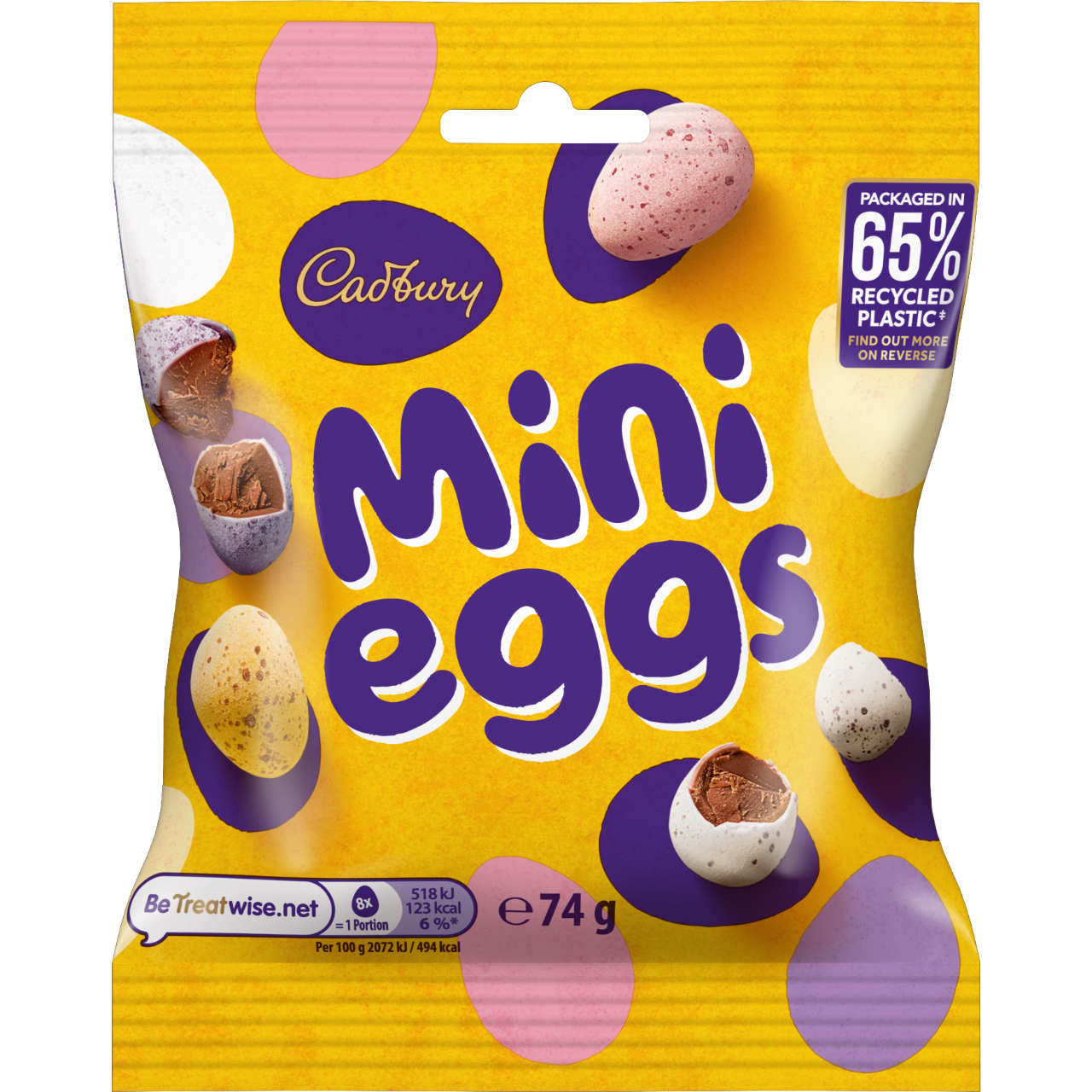
The Cadbury Easter packaging adopts recycled plastic and recyclable materials, marking another step towards reducing virgin plastic across seasonal confectionery ranges.
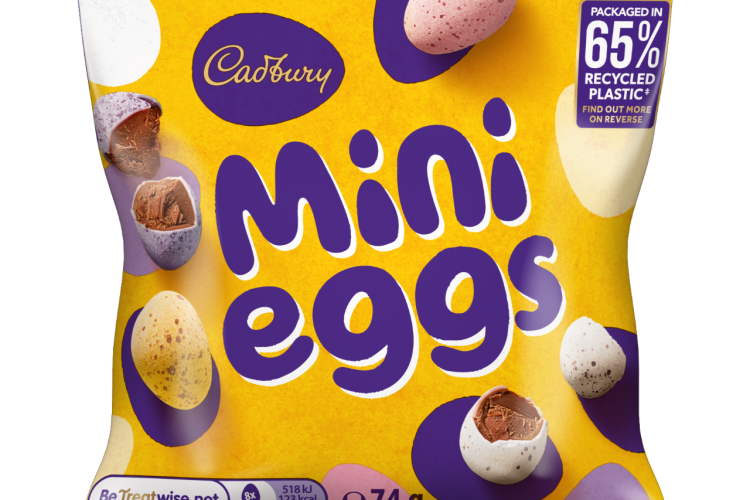
Mondelēz International is advancing its sustainable packaging goals with new recycled materials introduced across parts of the Cadbury Easter range for 2026.
The latest changes form part of a broader push by the company to reduce virgin plastic across its confectionery portfolio. Mondelēz has rolled out several packaging initiatives across its Cadbury range in recent years as part of the same strategy.
In 2025, Mondelēz introduced 80 percent certified recycled plastic packaging for around 300 million Cadbury sharing bars in the UK and Ireland, replacing an estimated 600 tonnes of virgin plastic annually. The company has also trialled packaging reductions with retailers, including a Tesco pilot that cut outer plastic on 1.8 million Cadbury Crunchie multipacks by 60 percent. More recently, Mondelēz and Tesco launched a trial of 300,000 paper tubs for Cadbury Heroes to explore recyclable alternatives to traditional plastic containers.
New recycled packaging for Cadbury Easter range
For Easter 2026, the 31.9g, 74g and 256g Cadbury Mini Eggs bags will use packaging made with 65 percent certified recycled plastic, allocated through a mass balance approach. Small and large Easter Cadbury tablets will also use packaging containing 80 percent certified recycled plastic, while the Cadbury Special Gesture Easter Egg range replaces its ribbon handle with a recyclable cardboard alternative.
The initiative forms part of Mondelēz International’s wider strategy to reduce virgin plastic use and increase the recyclability of its packaging portfolio.
The new packaging has been developed in partnership with Amcor, a global packaging specialist. It uses Amcor’s AmFiniti™ Recycled Content technology, which converts post-consumer plastic waste into new packaging materials through advanced recycling processes.
The partnership will source approximately 134 tonnes of post-consumer recycled plastic this year for packaging across parts of the Cadbury Easter range. Mondelēz said this volume is equivalent to packaging roughly 16 million seasonal tablets and 70 million bags of Mini Eggs each year.
Joanna Dias, UK&I Sustainability Lead at Mondelēz International, said:
Our Cadbury Mini Eggs range is an iconic Easter treat, loved by people across the UK & Ireland, and this is an exciting moment to increase our use of recycled plastic packaging across the Easter range.
Continuing our partnership with Amcor to grow our impact, our Cadbury Mini Eggs this Easter are another fantastic milestone for Mondelēz UK&I as we work towards the delivery of Mondelēz’s global sustainability goals, namely, reducing our use of virgin plastic.”
Cadbury Mini Eggs bags will also feature a scannable QR code on the back of packs, providing consumers with more information about the recycled materials used and Mondelēz’s wider approach to sustainable packaging.
Supporting Mondelēz’s global packaging targets
The development builds on previous sustainability initiatives across the brand’s Easter range. Last year, the company introduced the Cadbury Easter Favourites Pouch with paper-based outer packaging and previously removed 6.4 million plastic windows from its Easter egg packaging.
The latest changes support Mondelēz International’s global packaging targets, which include designing 98 percent of its packaging to be recyclable and labelled with clear consumer recycling information by 2030. The company says 96 percent of its packaging is already designed to be recycled.
Alongside this, Mondelēz is aiming to reduce virgin plastic use in rigid plastic packaging by at least 25 percent by 2030 as part of its “Pack Light and Right” strategy.
Janice Narainsamy, Senior Product Development Engineer at Amcor, added:
It’s fantastic to see our collaboration with Mondelēz International come to life with AmFiniti Recycled Content in iconic products like Cadbury Mini Eggs. Expanding recycled content into seasonal favourites such as the Easter range demonstrates what’s possible when innovation and partnership align.
This milestone shows how we can integrate more circular packaging solutions at scale, while maintaining the performance and quality consumers expect.”
Source: newfoodmagazine.com