
Nestle, IBM leverage AI, deep tech to unlock new packaging materials
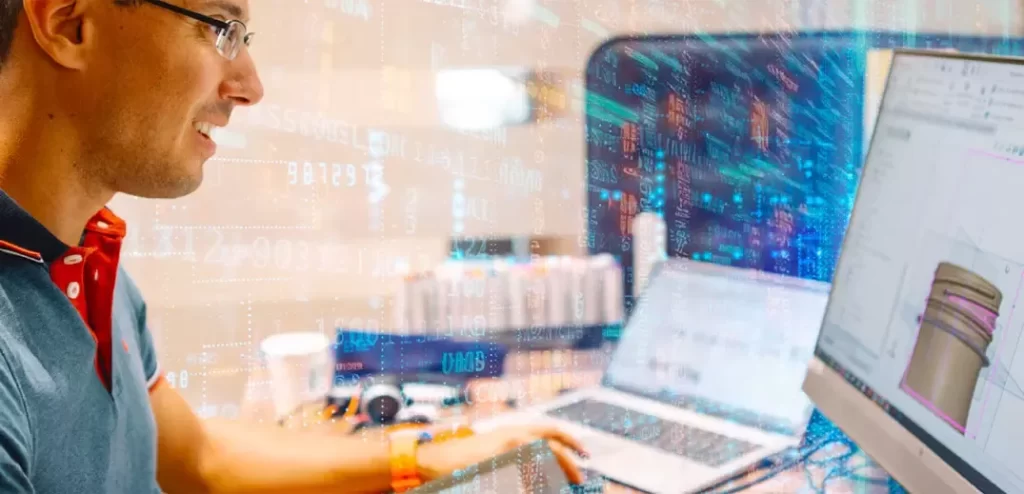
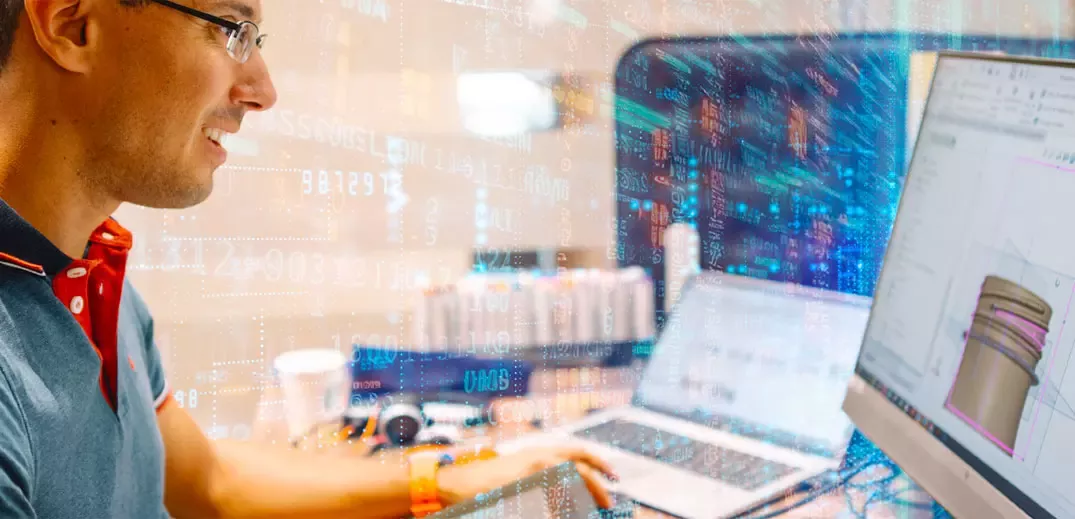
Nestle partners with IBM Research to develop a generative AI tool that can identify novel high-barrier packaging materials.
Nestle and IBM scientists leveraged AI-based processing techniques to construct a knowledge base of known materials from public and proprietary documents. Subsequently, the team fine-tuned a fit-for-purpose chemical language model on this curated corpus, enabling it to learn the representation of the molecular structures. Using that knowledge, the teams leveraged the recently developed regression transformer by IBM Research to learn the correlation between key structural molecular features and the resulting physical-chemical properties. The resulting model can now propose entirely new high-barrier packaging materials that shield sensitive products from moisture, temperature swings and oxygen.
Nestle plans to utilize this novel technology to identify future packaging materials, while considering cost, recyclability, and functionality.
Stefan Palzer, Nestle’s chief technology officer, said, “This novel AI-powered language model, developed in collaboration with IBM Research, illustrates how Nestle is leading the digital transformation within the food and beverage industry. In the future, such breakthrough technology could be used to optimize the development of more sustainable packaging solutions across product categories.”
Alessandro Curioni, IBM Research VP Europe & Africa, added, “We do believe that Generative AI will continue to disrupt scientific discovery, impacting the core business of all knowledge-based industries, allowing critical differentiation and sustainable growth.”
Nestle recently announced the creation of a new R&D centre for deep tech. It will screen, test and develop sensors, robots, coding systems, high-performing AI and virtual/mixed reality solutions to increase efficiency in research, innovation and operations. It has also developed a recipe optimization tool that uses advanced algorithms to help product developers better manage tradeoffs between ingredients, nutrition, cost and sustainability, while still meeting consumer expectations. The company uses digital twins of equipment and production lines to optimize manufacturing processes and has developed digital tools to deliver personalized nutrition solutions for people and pets.
Source: www.foodincanada.com