Ontario government introduces Buy Ontario Act to boost local procurement
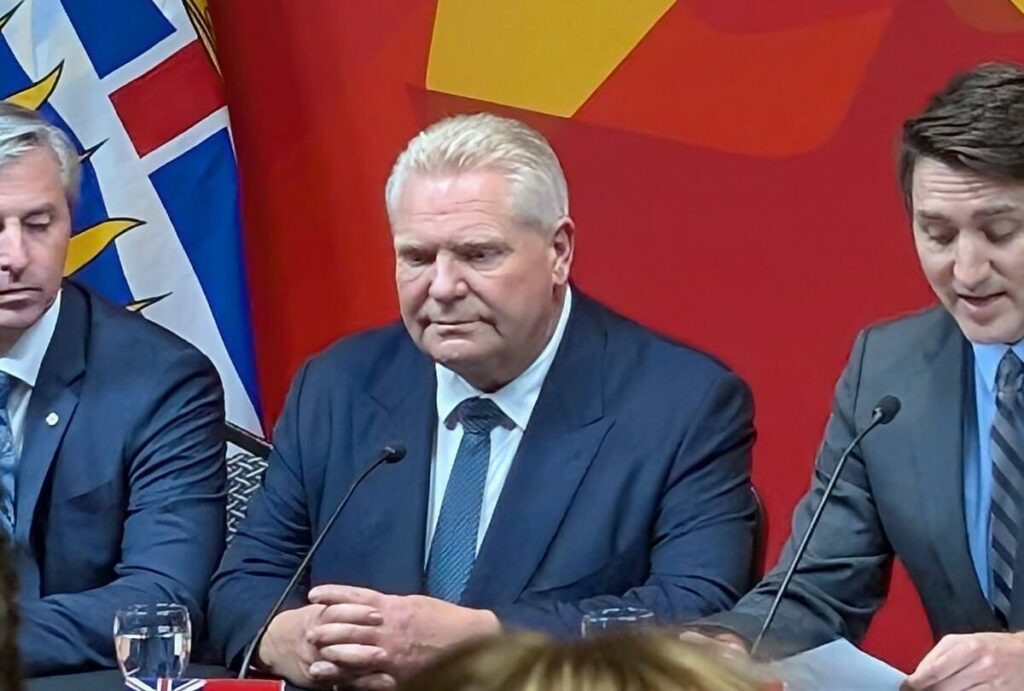
Ontario is prioritizing public procurement of Ontario goods and services through the new Buy Ontario Act, 2025.
The government introduced the bill on Nov.20 to support workers and businesses.
Why it matters: If passed, it will require public sector organizations, including municipalities, contractors, and subcontractors, to invest in Ontario goods and services to fulfill the province’s $220 billion infrastructure build plan.
Read Also

Insects, innovation, and a new feed frontier
Harcourt Farms near Nairobi, Kenya, uses black soldier fly larvae to transform waste from the city’s many produce market stands into high-protein animal feed and organic fertilizer, creating jobs, reducing emissions, and addressing food insecurity.
“Every year, the province spends more than $30 billion procuring goods and services that help serve the people of Ontario,” said Stephen Crawford, Minister of Public and Business Service Delivery and Procurement. “We’re making sure that every possible procurement dollar that can be spent in Ontario is spent in Ontario, so we can protect our workers and build a more competitive, self-reliant and resilient economy.”
Given ongoing U.S. tariffs and economic uncertainty, the government said the bill prioritizes tax dollar spending first on supporting the province’s steel, lumber, automotive, and other industries, then on Canadian goods and services, before shifting to international providers to safeguard infrastructure projects from unnecessary delays.
“CME welcomes the government’s introduction of the Buy Ontario Act. Through CME’s Ontario Made program, we have long championed the critical importance of local procurement,” said Dennis Darby, president and CEO of Canadian Manufacturers & Exporters. “This forward-thinking legislation demonstrates the government’s commitment to turning this principle into action.”
He said that prioritizing Ontario-made goods in procurement strengthens local supply chains and protects manufacturing jobs, helping manufacturers to stay competitive, innovate, and drive growth.
Folded into the Buy Ontario Act are allowances extending “selected provisions of the Protecting Condominium Owners’ Act, 2015, for one year to allow the government to continue working on consumer protection improvements for condo communities.”
The act also proposes amendments to the Highway Traffic Act to broaden authorities for safety-related signage near school zones.
“Ontario’s more than $220 billion plan to build is the largest infrastructure plan in Canadian history, and we’re spending every dollar of that plan that we can right here in Ontario,” said Todd McCarthy, Acting Minister of Infrastructure. “As we build the transit, highways, hospitals, homes and schools our growing province needs, we’re also helping keep hundreds of thousands of workers on the job in sectors like construction, steelmaking, forestry, agriculture, manufacturing and more.”
Furthermore, the province is strengthening Ontario’s domestic capacity and ability to meet infrastructure and procurement needs, reducing reliance on procurement outside the province and establishing an Ontario and Canadian supplier vendor list to streamline the procurement process.
“The Buy Ontario Act would serve as an important pillar in our government’s plan to protect Ontario,” said Vic Fedeli, Minister of Economic Development, Job Creation and Trade. “Anchoring the province’s long-term economic prosperity by ensuring that domestic companies have more opportunities to grow, expand and create good-paying jobs for our workers.”
The province said, in partnership with the City of Toronto and the federal government, they pursued the procurement of new Line 2 TTC subway car manufacturing from Alstom in Thunder Bay.
“We’ve seen our province come together like never before to protect Ontario workers and businesses in the face of tariffs,” said Rob Flack, Minister of Municipal Affairs and Housing. “Many municipalities have already shown leadership in prioritizing Ontario workers and products when it comes to their choices.”

Source: Farmtario.com