Opinion: Mentorship and support raise women’s roles in agriculture
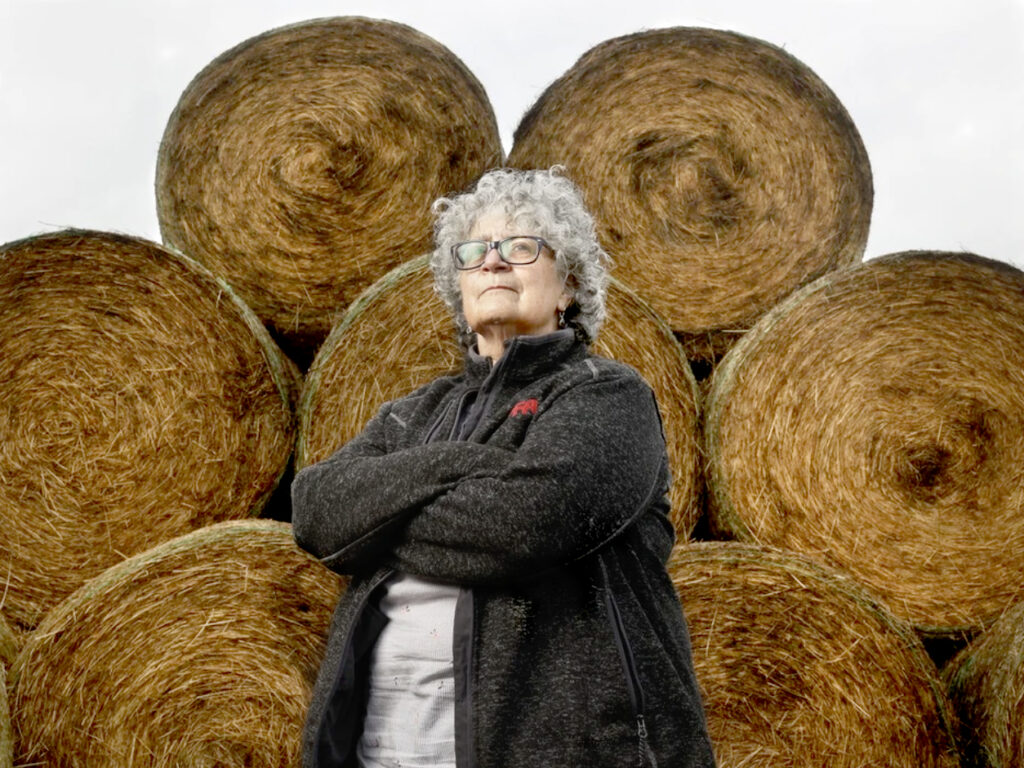
As we celebrate International Women’s Day, it’s hard to believe that only a few decades ago, women in Canada could not legally be recognized as equal partners in their own farm businesses.
Today, 30 per cent of Canadian farmers are women and across the agri-food sector, women are alongside men as equals in many jobs, organizations and boards. That kind of change doesn’t happen overnight or on its own – but it’s one worth a second glance this year in particular.
That’s because 2026 has been designated as the International Year of the Woman Farmer by the Food and Agriculture Organization of the United Nations.
Read Also
Closing the forage data gap: innovation aims to cut methane and boost margins
A Quebec farmer is developing a digital decision-support system specifically for forage-based livestock operations.
For both of us, agriculture has always been personal.
Jordyn grew up spending summers on her family’s fruit and vegetable farm in Niagara and when it was sold while she was in high school, it felt like the end of a chapter. She started studying medicine, but an environmental law class eventually brought her to a career working in the agriculture industry.
Andrea – who was Jordyn’s professor in agricultural business at Algonquin College – is a third-generation farmer from Lanark County in eastern Ontario. Her father had two daughters and although they could work as hard as any man, were often relegated to feeding farm work crews and housework.
That was the norm, along with women not being able to claim wages for income tax purposes for work they did on the farm or even be recognized as partners in farm businesses. They also generally weren’t involved with agricultural organizations or farm politics.
That norm has changed.
Andrea, who returned to full-time farming after retiring from a career with the city of Ottawa, is a director on the board of the Ontario Federation of Agriculture (OFA) and has long been involved with her local federation in various roles.
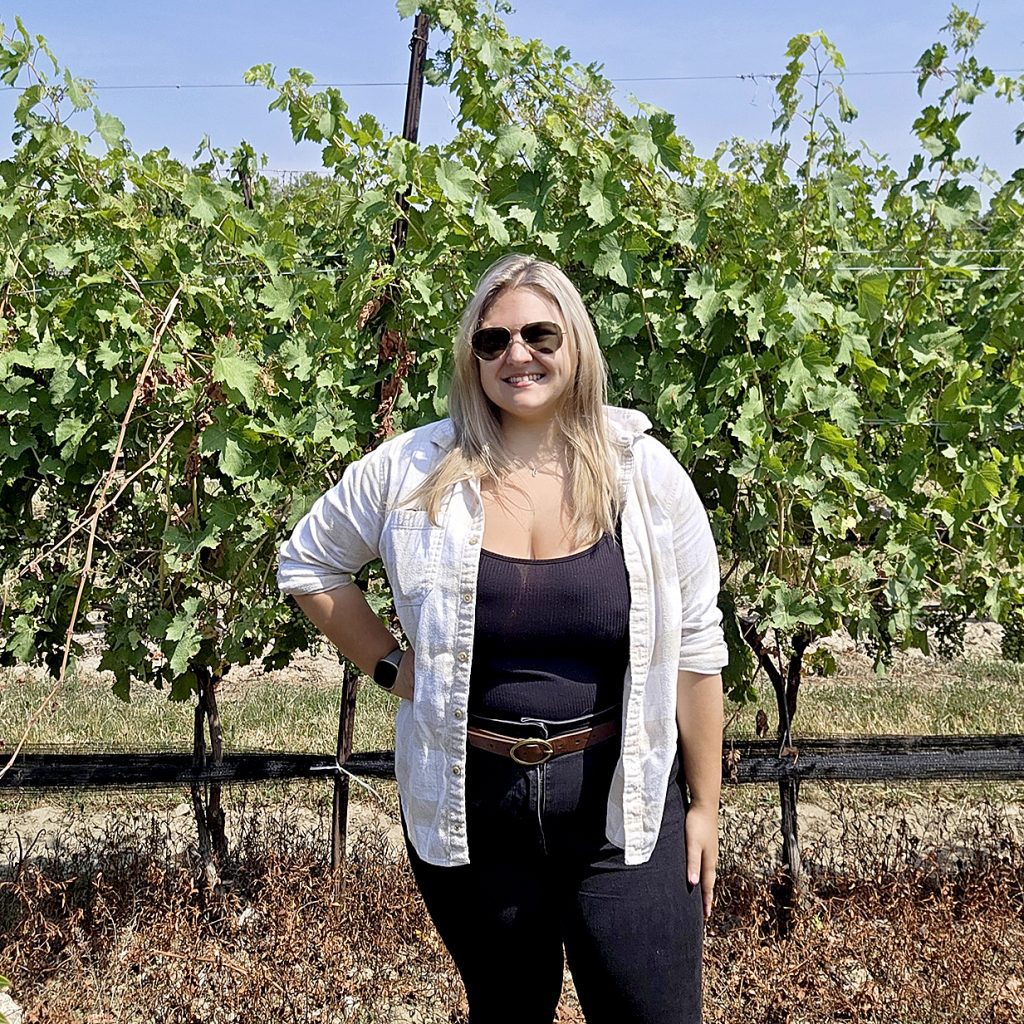
photo:
Jordyn Domio
Jordyn is the youngest and only female director on her local federation board and was recently elected as its vice president. She also helped relaunch the local junior farmer club in her area and is currently the president of the Junior Farmers’ Association of Ontario (JFAO).
Both of us have been fortunate to be welcomed by the organizations we serve with. That welcoming culture matters to encouraging women to step forward into leadership roles in our industry, but so does mentorship.
The next generation of female farmers is passionate and committed and sometimes, all that’s needed is a bit of encouragement from others to give them the confidence they need to take a new step.
Mentorship was pivotal for Jordyn as encouragement from Andrea and other women farmers helped her find her voice and now, she is doing the same for the next group of young leaders.
When women step up to join boards, committees and organizations, it changes the shape of our industry. It encourages others to come forward, and it normalizes women’s leadership in agriculture so that being “the only woman in the room” will finally fully be a thing of the past.
We are incredibly lucky to live and farm in a country like Canada. Yes, there are still challenges: attitudes take time to change completely, and women in rural areas in particular struggle with domestic partner violence and lack of childcare.
Despite that, we have advantages that aren’t a given in many other parts of the world, where women often still lack basic rights to own land, control finances or live safely – but hold primary responsibility for feeding their families.
Here at home, organizations like OFA and JFAO have the ability and the responsibility to support that next generation – and they are. As leaders, teachers and mentors, we create spaces where young people, especially young women, see themselves reflected and respected and give them opportunities to find their voice in our sector.
Only a few decades ago, women were fighting simply to be recognized as partners on paper. Today, they are directors, educators, innovators and leaders across the agriculture sector.
The progress is real. The opportunity is enormous. And when women support and mentor one another, there is no limit to how far agriculture can grow.

Source: Farmtario.com