

Peas capitalize on increased interest in protein
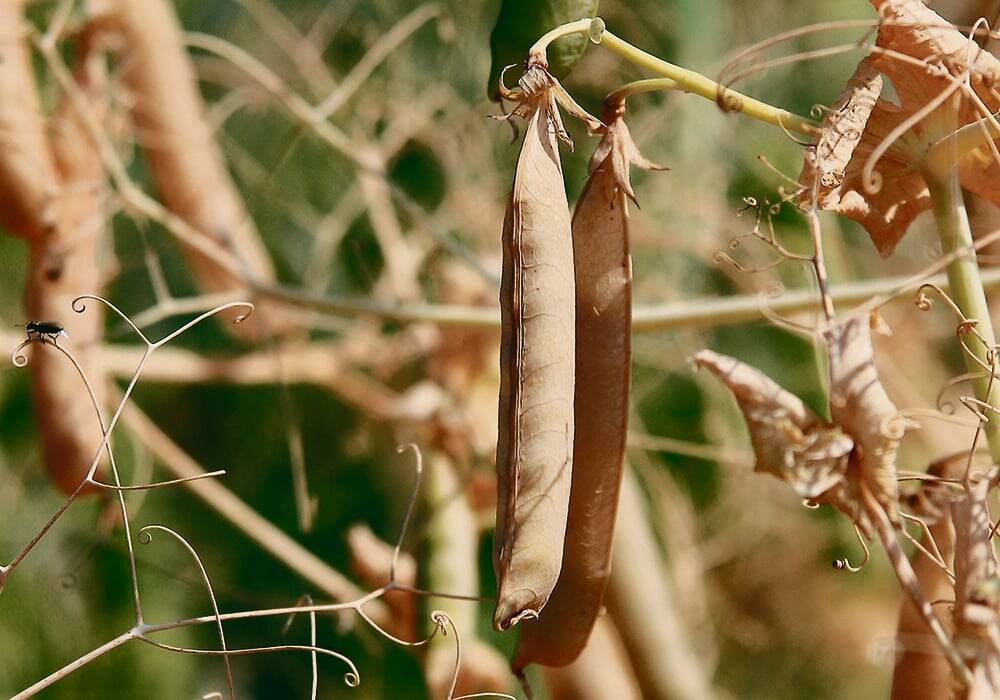
SASKATOON — Canada’s pea sector is making headway on one of its main market diversification strategies.
“Pea protein has become a more common and mainstream ingredient,” said Janelle Carlin, director of quality, science and food innovation with Pulse Canada.
Demand for animal protein is more prevalent, but the market for plant-based protein is also on the rise, she told delegates attending a recent webinar.
Read Also
Wheat breeding system no longer works: review
A Canadian Wheat Research Coalition report, published Feb. 26, says the status quo is not an option for Canada’s wheat breeding system. It must be transformed, by farmers.
“Both of those protein sources and protein types are growing,” she said.
Consumers are increasingly demanding nutrient-dense foods.
Carlin said 42 per cent of new food and drink product launches in the United States contain an added protein content claim, up from 28 per cent five years ago.
Globally, 7.4 per cent of new product launches contain that claim.
WHY IT MATTERS: Pulse Canada sees pea protein markets as a way to diversify beyond traditional whole pea export markets.
Reformulation is happening across all categories of food and drink as companies move to clean labels with simple, multi-functional ingredients.
They are promoting that their products are free from allergens, gluten, eggs and other irritants.
They are using “plus claims” to show that their products are high in protein, fibre and micronutrients.
And they are promoting sustainability claims.
Pea protein checks all of the reformulation boxes.
Soy, wheat and corn have historically been the most dominant forms of plant protein, but peas have been making big inroads of late.
It has displaced corn for third spot on the list of the most common plant protein source in new food innovations, appearing in 10 per cent of global new product launches in 2025, up from three per cent in 2014.
Customers have become familiar with the ingredient, and there is a growing awareness and acceptance of pea protein.
Consumers associate pea protein with various health and wellness benefits, as well as environmental benefits.
Product launches
Meat substitutes and plant-based dairy products have traditionally been the most popular product categories for pea protein.
“We are seeing a little bit of a slowdown in terms of new products that are being launched in those categories,” said Carlin.
However, product launches containing pea protein are on the rise for the nutritional drink and snack bar categories, as well as baked goods.
“Overall, there is an expanding market when it comes to looking at pea protein,” she said.
Market penetration is high for the alternative red meat and poultry category with 28.8 per cent of new product launches in the United States containing pea protein.
That compares to 5.1 per cent for alternative dairy, 1.2 per cent for baked goods, 14 per cent for nutritional drinks and 1.5 per cent for pasta/noodles.
However, there are challenges to overcome.
One of the biggest is that pea protein performance is variable. It is affected by several factors from the farm to food formulation.
Pea varieties perform differently due to genetics and growing conditions.
There are differences between pea protein isolates and concentrates.
Variances in processing methodology can affect yield, composition, digestibility and structure.
And then there are differences in testing procedures that can affect the outcome.
“It’s very difficult for us to be able to conclude and say, ‘pea protein in general does this,’ ” said Carlin.

Source: producer.com