
Physical movement during winter months key to wellness
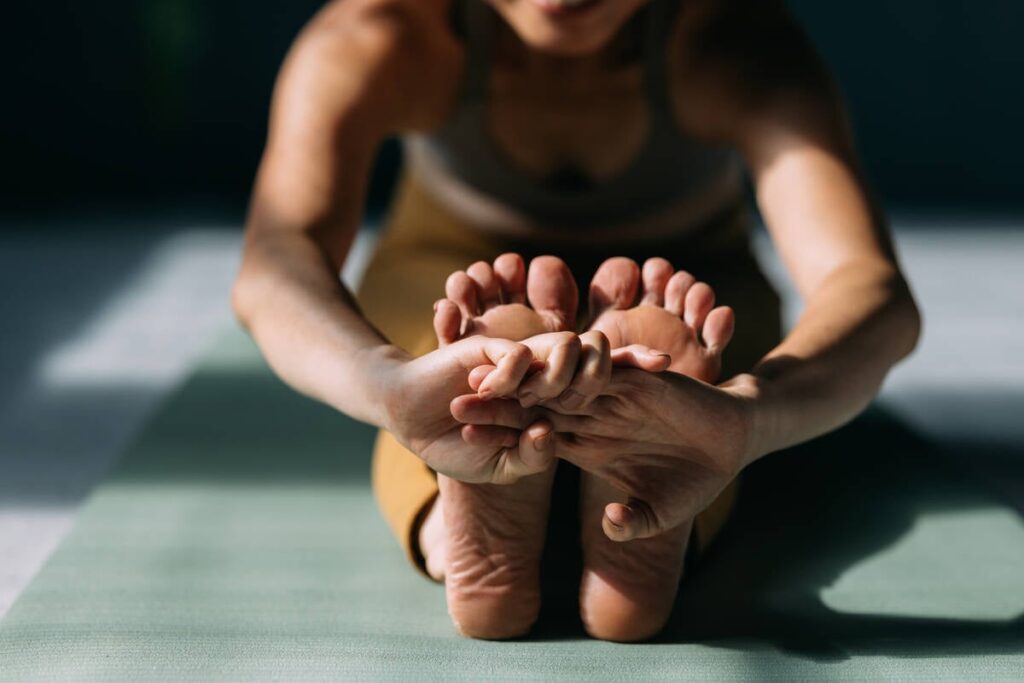
The Fit to Farm column offers practical, evidence-informed strategies to reduce injury risk, improve mobility and build strength that supports the realities of life on the farm.
As winter progresses, it’s common to move a bit less and rest a bit more.
While we don’t often actively pursue it, hibernation certainly is an appealing idea this time of year. Our bodies naturally slow down during the winter months, but that doesn’t mean that we can’t benefit from intentional movement even in the colder, slower weather.
Read Also

Comfort is a bowl of soup
A bi-weekly column exploring natural health through the use of food and herbal healing.
Less movement and colder temperatures combined can cause our circulatory and lymphatic systems (i.e., our fluid management systems) to slow down. This can cause sensations such as stiffness, puffiness or water retention, sore and tired legs, digestive issues, general inflammation, increased pain and an overall feeling of sluggishness.
While our circulatory system (arteries and veins) has its own built-in pump, our lymphatic system relies on our soft tissues contracting and moving to circulate. The lymphatic system is essentially where the fluids associated with the immune system and cellular waste end up — the plumbing in our bodies that you don’t want just sitting around, not getting flushed out.
Supporting our body in managing circulation and eliminating fluids does not have to be complex or expensive. There are products on the market designed to work on these systems, such as vibration plates, rebounders and compression wear. There is certainly nothing wrong with any of these products, and if you’ve tried them and they’ve helped, that is excellent. However, a few simple and intentional movement practices every day are often all we need to help our bodies navigate the slower, colder season.
Heel raises and drops
Because we spend a lot of our time in upright positions, gravity is a major player when it comes to our lymphatic system and, to some extent, our venous system. We can’t avoid the effects of gravity, but we can engage the relatively large soft tissues in our legs in ways that support circulation flow and move lymph.
Using a wall, sturdy table or couch to maintain balance if needed, press the balls of your feet into the ground and lift your heel as high as possible (standing on tip toes), This contracts the muscles in the back of your calf. (Bonus points if you stretch your legs long and engage your glute muscles [butt cheeks] as well.)
Practice keeping your weight balanced on each foot equally and in the centre of the ball of your foot. If you glance down at your feet, both the ball of your big toe and pinky toe should be equally rooted into the ground and all toes pointing straight forward. Hold up high for a few seconds, and then let your heels fall down to the ground with a bit of impact. Repeat 10-30 times, raising and then dropping the heels. The impact of the heel meeting the ground creates vibration through the bones, supporting bone density and helping micro-circulation.
Flexions, extensions and rotations
Joint movement of any kind — all kinds — helps contract and flush the soft tissues and joint spaces, moving circulation and lymph back upwards toward the heart and kidneys for recirculation and elimination.
You can do this exercise lying on the ground or in bed. Starting at the feet, curl and uncurl your toes, rotate your ankles, bend and straighten your knees. Hug one knee into the chest and slowly kick the leg straight towards the ceiling. Repeat on the other side.
Next, curl and uncurl the hands, rotate the wrists, bend and straighten the elbows. Draw snow angles on the ground, sweeping arms up overhead and back down again. Turn your head side to side. These movements hit all the major joints in the body and create a flush effect in the system through gentle compression and release of tissues.
Another option: stand and press your feet into the ground. Squeeze your glutes to press the hips forward. Reach the arms up overhead and extend the body backward, bending the knees gently. Reach as long as you can and take a big inhale. On exhale, release and fold your body forward, keeping the knees gently bent as you curve forward. Inhale to repeat the reach and extend, exhale to fold forward. Like the segmented version above, this stretch supports circulation and flushing of large tissues through gentle compression.
Tapping and shaking
Vibration is a wonderful way to encourage microcirculation through our tissues and move lymph through the body. We can manually create vibration ourselves by gently tapping the body.
Bring the fingertips of each hand together to create a cupped hand and use your fingers to drum-tap your way up your body starting at the legs, covering the abdomen, chest, as much of the back body that you can reach and the arms.
Volitional shaking is another way to create a vibration effect through the body. This is essentially what vibration plates do for us, but simply jumping, wiggling and shaking the arms and limbs has a similar effect. Set a timer for two to three minutes and begin to shake your arms, wiggle your legs and hips, then let your belly relax and jump around. Playing music can help!
Finding ways to move your body daily in any fashion is an excellent way to keep winter sluggishness out of your body and support the health and wellness of tissues. Taking daily walks outside — even if you have to bundle up — is also a good way to support movement of major joints and tissues, the circulatory system and to keep things moving until spring.
Kathlyn Hossack is an athletic therapist, somatic practitioner and clinical herbalist based in Winnipeg, Man. She owns Evoke Body + Mind and provides consultation in person and online to those seeking guidance in rehabilitation and healthy living practices. For more information, visit evokebodymind.ca.

Source: producer.com