
Port of Vancouver moves record wheat volume
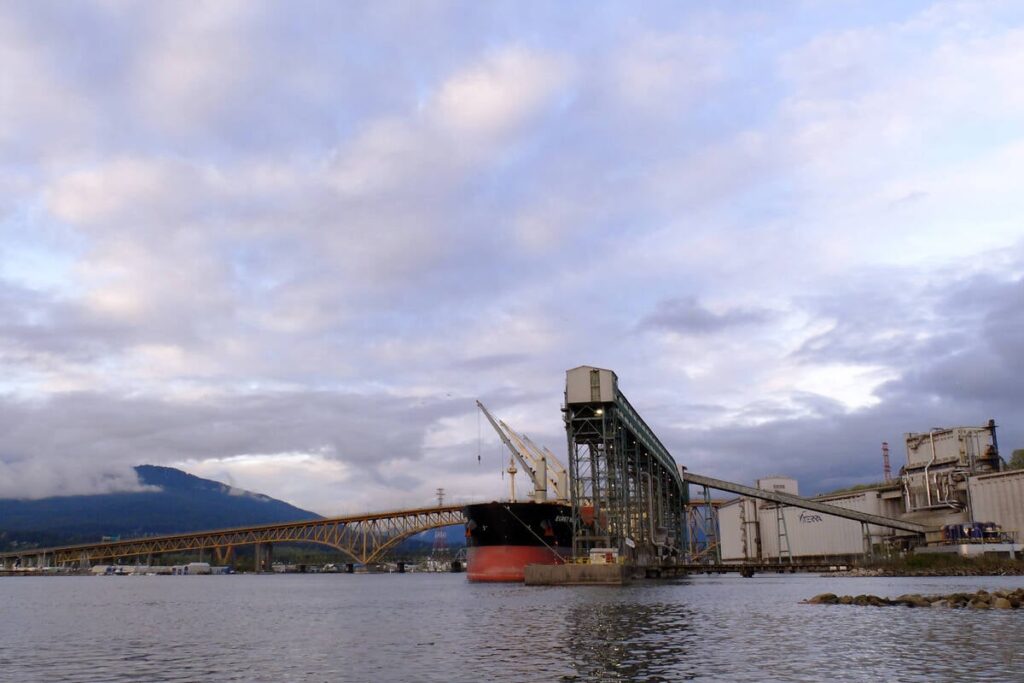
SASKATOON — The Port of Vancouver shipped out a record volume of wheat in 2025, but canola seed exports were way down.
Total bulk grain exports were up four per cent, hitting a new record of 30.3 million tonnes on the back of a tremendous wheat program.
The port shipped out a record 15.9 million tonnes of wheat, up 20 per cent over 2024.
Read Also
Oilseed war premium depends on duration of the conflict
The U.S.-Israeli war with Iran started Feb. 28 and continued unabated last week. This has had a profound impact on commodity markets.
Western Canadian wheat was delivered to 35 countries. China topped the list, buying 2.64 million tonnes, a 35 per cent increase. Japan took second spot followed by Bangladesh.
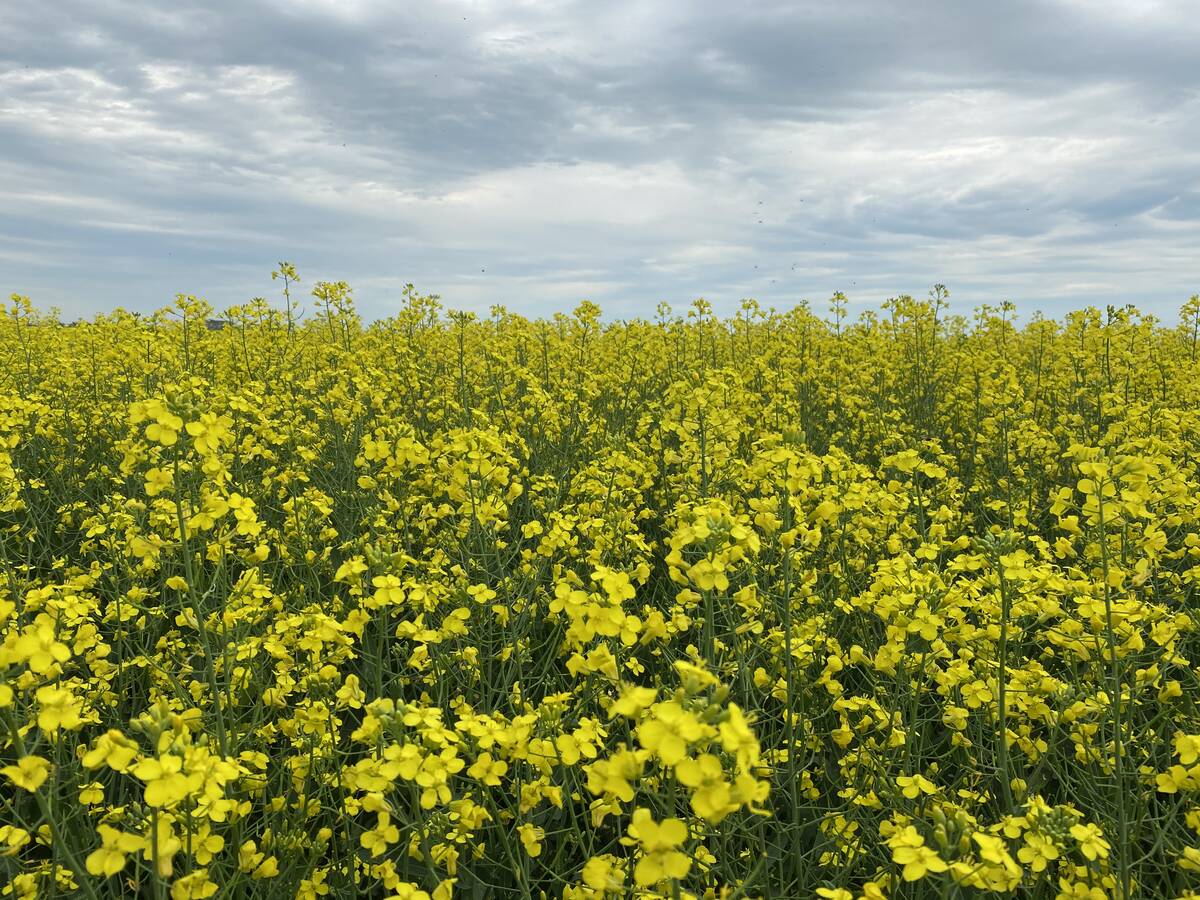
Canola seed sales were down 23 per cent to 6.6 million tonnes, falling sharply from August onwards due to China’s tariffs.
However, China was still the top buyer of Canadian canola shipped through the port, purchasing 2.15 million tonnes of the oilseed, a 69 per cent decline from the previous year. Japan was the number two market, followed by Mexico.
“We are already seeing encouraging signs that canola seed exports through the Port of Vancouver are recovering following a trade deal signed by Canada and China in January and are optimistic early year data will show a rebound in volumes,” said port president Peter Xotta.
Why it Matters: The Port of Vancouver handles about half of Canada’s total canola exports.
Canola oil shipments were up 26 per cent to 1.18 million tonnes. The port helped the canola industry diversify its market for that value-added product.
The United States accounted for 57 per cent of the port’s canola oil shipments in 2025 compared to 83 per cent the previous year.
Sales to South Korea were up 37 per cent, while shipments to Peru soared 217 per cent. Canola oil was shipped to nine countries that had no purchases in 2024.
Bulk barley exports (excluding feed barley) climbed 38 per cent to 1.68 million tonnes. Feed exports were up 19 per cent to two million tonnes, while bulk special crop shipments fell four per cent to 3.89 million tonnes.
Containerized shipments of special crops rose nine per cent to 2.01 million tonnes, animal feed was up 10 per cent to 685,368 tonnes and containerized shipments of meat, fish and poultry amounted to 639,548 tonnes, a four per cent increase over the previous year.
Xotta does not know what 2026 holds for grain movement. That will largely depend on how much farmers harvest.
However, he did say that movement in January and February continued the impressive trend set in 2025.
“We’re continuing to enjoy the bounty from a fairly strong crop in the previous growing season,” he said.
International exports of all types of cargo through the port were up 12 per cent to 127.5 million tonnes.
“I would characterize 2025 as a really pleasant surprise overall,” said Xotta.
Very few sectors of the economy experienced a downturn in exports. International sales were up as Canadian companies reacted to the shifting geopolitics of the U.S. market.
“We saw some products going to markets at a scale that we hadn’t seen before and others retrenching based on tariffs,” he said.
Prime minister Mark Carney has set a target of doubling exports to non-U.S. markets over the next decade.
Xotta said international trade at the Port of Vancouver has grown 78 per cent over the last 15 years. It would have to expand another 50 per cent in the next 10 years to meet the prime minister’s objective.
“I’m confident we can do that, but we need targeted investments for that to occur,” he said.
The port has a series of initiatives underway that will improve overall throughput, but there are two in particular that should help grain movement.
The first is the late 2025 implementation of the port’s new Active Vessel Traffic Management (AVTM) system, which is co-ordinating and optimizing thousands of annual ship transits across the port.
The second is the Holdom Overpass project in Burnaby, designed to enhance rail service to the North Shore. That project is halfway complete and should wrap up in late 2026 or early 2027.
Both of those projects will improve access to North Vancouver, where Cargill, G3 Canada and Richardson International have grain terminals.
Canadian National Railway says the new AVTM scheduling system has already increased its average weekly train count moving to/from North Vancouver by 10 per cent.
Xotta also mentioned the opening of DP World Fraser Surrey’s new facility in September 2025, which will enable the export of one million tonnes of canola oil annually.
He said the port is always looking for ways to debottleneck the flow of goods and hopes the federal government will work with the port on ways to accelerate infrastructure improvements.
The Port of Vancouver is the fourth largest port in North America by tonnage and handles almost as much cargo as Canada’s next five largest ports combined.

Source: producer.com