

Rural municipalities want focus on bridges
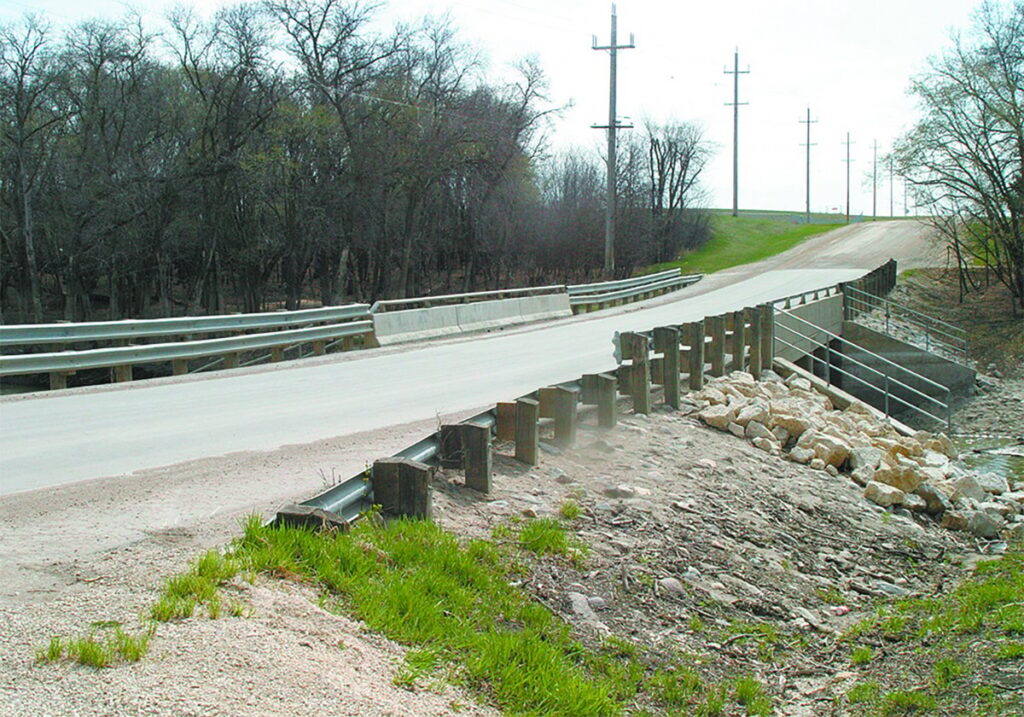
REGINA — Saskatchewan Association of Rural Municipalities president Bill Huber had a blunt message for Ottawa during a recent trip to the capital.
“We told them what every farmer and reeve already knows: that red tape doesn’t build roads and it doesn’t fix bureaucracy and it doesn’t fix bridges,” Huber said during his opening address at the midterm convention.
He said SARM was in Ottawa to push for federal policies that actually help rural Saskatchewan. Rural realities don’t always fit with federal policies and criteria, he said.
Read Also

AGCanadaTV: In case you missed it; your national ag news recap for Nov. 21, 2025
https://youtu.be/o-UXOcmroXM Canada ranks seventh on agri-food influence, position has improved Canada ranks seventh among the G20 in agri-food influence according…
Huber hadn’t yet had a chance for a deep dive into the federal budget but said rural infrastructure needs investment. The budget promises infrastructure money through several streams, including $6 billion for municipal infrastructure over 10 years and a $5-billion seven-year commitment for trade diversification corridors. He said he didn’t expect to see much of that flow in the first year.
“Seventy-two percent of our bridges need replacement within the next decade,” he said.
“Twenty-four percent of those bridges already are restricted. We manage over 164,000 kilometres of road and more than 1,200 bridges. That’s not just infrastructure, that’s connection.”
The federal government neglected Western Canada over the last 10 years and is obligated to step up with support, Huber said.
The provincial government wasn’t let off the hook.
SARM administers the Rural Integrated Roads for Growth (RIRG) program on behalf of the provincial government and is always asking for more money in that fund. Huber said millions of dollars are required to repair or replace bridges that are at the end of their lifespans.
Municipalities are encouraged to consider large-diameter culverts or low level crossings in places where bridges could be eliminated, but he said there are sites where bridges have to remain.
Councillors passed several motions regarding the RIRG program, including calls to reform the eligibility criteria, allow for more engineered bridge design options and for more attention to capital bridge maintenance costs.
Rural broadband also needs attention.
Huber said only 59 percent of RMs have service at the national standard for speed. There are dead zones, and he added it seems service has deteriorated since the province went to 5G.

Source: producer.com