
Taking a look at the spring forecast
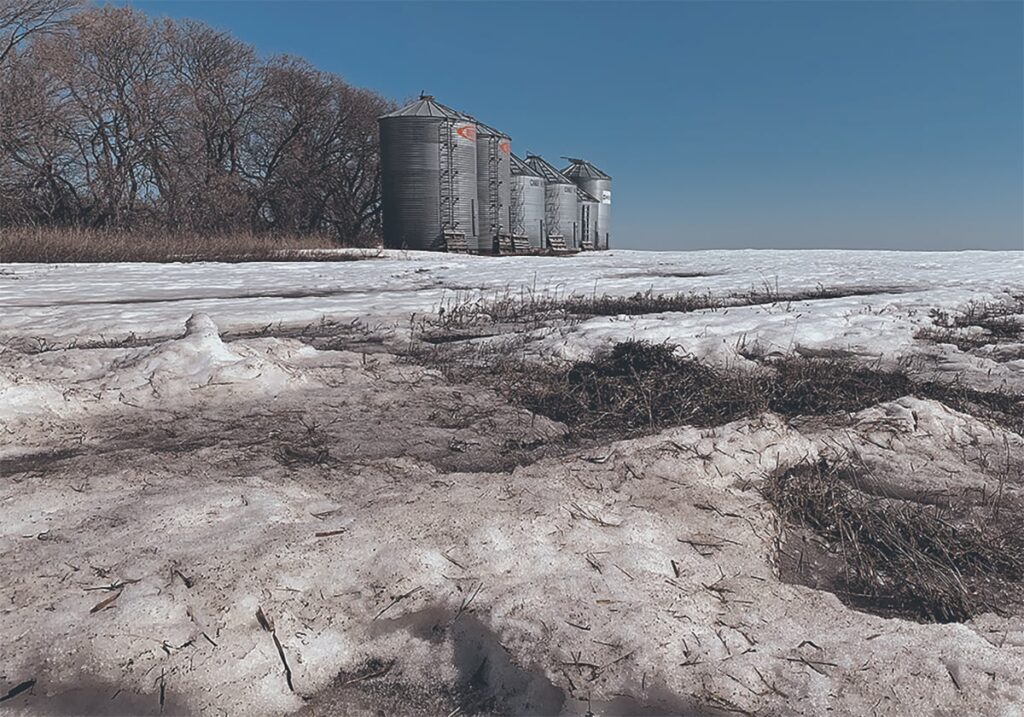
As promised, we are going to take a look ahead at what the latest weather models are predicting for the next few months.
Let’s start our spring outlook with the Old Farmer’s Almanac.
Its outlook calls for a warmer-than-average end to March, followed by near-average temperatures in April and May. Precipitation across all three months is expected to be close to average.
Read Also
Conservation easements with limits have appeal
Developing a conservation easement, particularly those that forever tie a piece of land to an ecological use, can be intimidating, said a researcher who has studied attitudes toward easements in Alberta and Saskatchewan.
Next, looking at NOAA’s seasonal outlook, when extrapolated northward into the Prairies, it appears to suggest near- to below-average temperatures from March through May across Manitoba, while Saskatchewan and Alberta are expected to see temperatures closer to average.
Precipitation is projected to be near average across the Prairies overall, though the far eastern Prairies have a slightly higher chance of above-average amounts.
Moving on, the CFS model is calling for above-average temperatures to finish off March, followed by slightly cooler-than-average conditions in April, with the greatest chance of below-average temperatures across western regions. Temperatures are then forecast to return to above-average levels in May.
In terms of precipitation, the model suggests near- to above-average amounts for the remainder of March.
Above-average precipitation is then expected across the southern half of the Prairies through April. By May, the eastern Prairies are forecast to see near- to above-average precipitation, while western regions may experience near- to slightly below-average totals.
The Canadian CanSIPS model paints a somewhat different picture. It is calling for well-below-average temperatures in March, particularly across the northern Prairies.
These colder conditions are forecast to moderate somewhat in April, with temperatures moving closer to slightly below average.
Southern Alberta may even see slightly above-average values during that time. This warming trend continues into May, when most regions are forecast to see above-average temperatures.
The model’s precipitation outlook shows March seeing near-average amounts, followed by below-average precipitation in both April and May.
The final model in our lineup is the European ECMWF, which is forecasting near-average temperatures for both March and April, followed by near- to slightly above-average temperatures in May.
Its precipitation outlook is similar to that of the CanSIPS model, projecting near- to slightly below-average precipitation through all three months.
Finally, a few words of personal weather wisdom.
At this point, I am leaning toward the CFS model overall, with one exception: I suspect the second half of March may trend closer to near- to below-average temperatures rather than the warmer conditions it suggests. Here’s hoping you get exactly the type of weather you need and want in the months ahead.

Source: producer.com