

This Vancouver restaurant is a hot spot for audiophiles and foodies alike
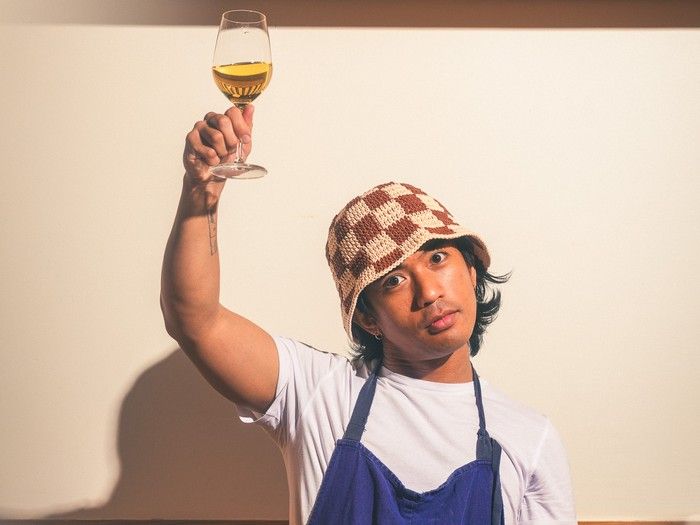
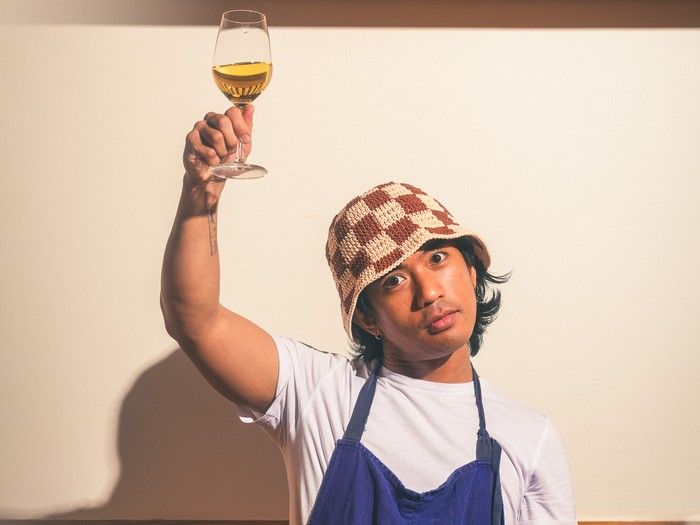
At Bar Gobo, some come for the music and stay for the food. Others, vice versa.
Since installing two state-of-the-art speakers late last year, along with a DJ nook, the Michelin-recommended Union Street bar/restaurant has become a hot spot for audiophiles and foodies alike.
And if they’re coming, or staying, for the food, they’ll have a chance to sample some Filipino cuisine courtesy of chef Ralph Cravalho.
Cravalho took over kitchen duties three months ago, and one of his first orders of business was to incorporate some flavours from his birthplace.
“I just went with what I know,” said the chef, who moved here from the Philippines with his mother and siblings when he was nine.
“I’d never cooked Filipino food professionally or ate it all that much after moving here. A lot of is memory-based.”
As the son of a single mom working multiple jobs, he learned to feed himself — after he complained that she kept making the same things.
“She said, ‘Why don’t you cook then?’ Every once in a while, I remind her about that and apologize.”
Before his present gig, the 31-year-old chef honed his craft in kitchens at Burdock & Co. (where Bar Gobo began as a pop-up), The Mackenzie Room, and Gary’s. He also spent two years cheffing in Montreal.
On the current Bar Gobo menu, Cravalho brings Filipino flare to oysters, morels and stick rice.
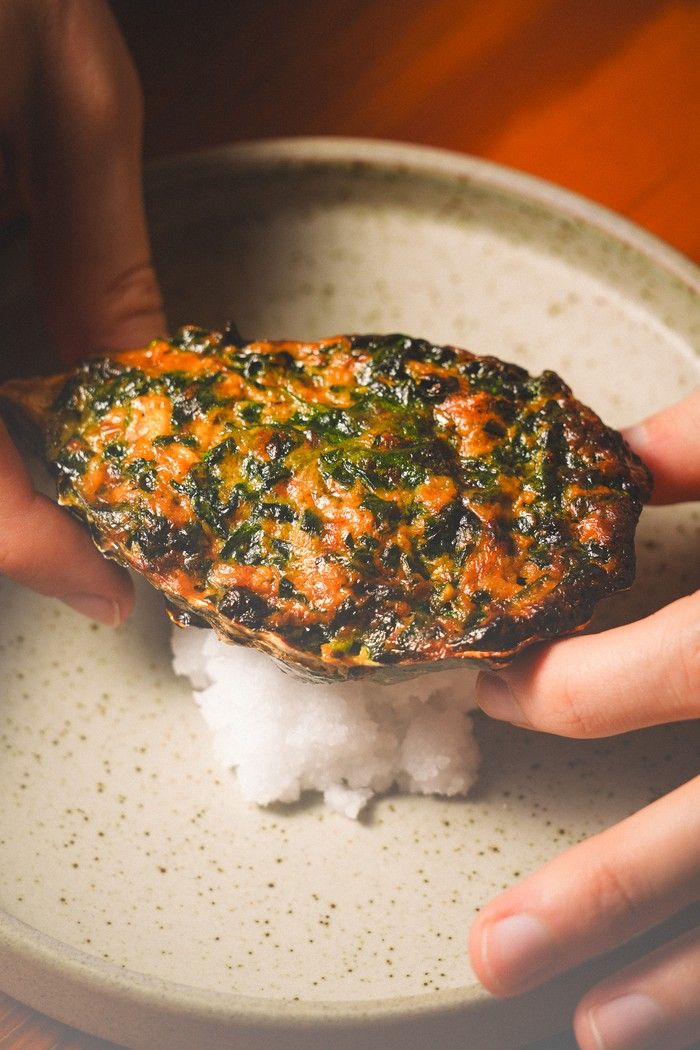
One of the featured “snacks,” the oyster, is baked and served with a coconut laing sauce.
“The sauce is usually made with taro leaves, coconut milk and shrimp paste, and served over fried pork or shrimp and rice. But fresh taro has slimy texture and isn’t for everybody.” Instead, he uses Taiwanese spinach.
The oyster shell rests on a bed of salt. “I have to tell people every time not to eat the salt. It’s just to hold the oyster in place.”
One of the mains is pancit canton noodles. It’s a traditional Filipino noodle dish that is typically flavoured with the citrus hybrid calamansi.
“It’s something that everyone in the country, rich or poor, eats. It’s nostalgic for a lot of people.”
Cravalho makes his version with morels, crispy shallots, green onions and toyomansi sauce, a combination of calamansi, soy and “lots of garlic.”
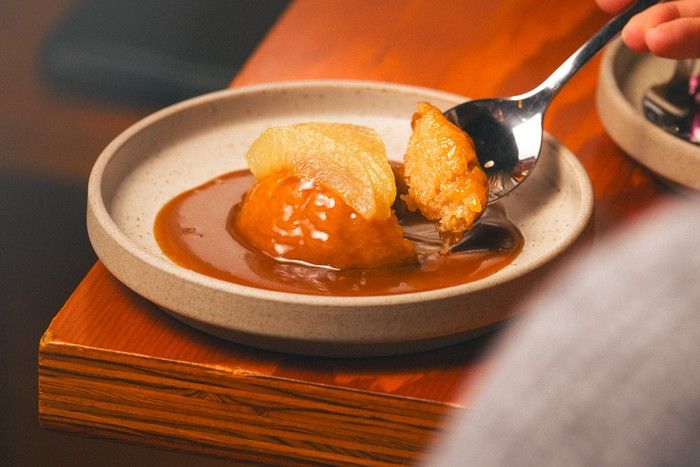
One of two deserts on the menu, sticky biko pudding is sticky rice topped with coconut caramel and local cherries.
“It’s something you’d have at a birthday party. It’s like sticky toffee pudding but with coconut milk and sticky rice instead.”
The menu is heavy on the coconut, which is also the base for the dressing on the gem lettuce salad. “Coconut is a good alternative to cream or butter,” Cravalho said.
Other places to try Filipino food in Vancouver include Haliná, which is currently in a “soft open” phase at its Hastings-Sunrise location. On July 3, A Night of Too Many Chefs showcased the talents of over a dozen Filipino chefs. Some of the proceeds from the event went to the Vancouver Filipino Chef Meal Train, which provides culturally appropriate meals to those affected by the
.
More foodie than music fan himself, Cravalho is learning to appreciate the sound system he finds himself immersed in five nights a week.
“I’m always hearing stuff I haven’t heard before, and I’m like, ‘What’s this?’”
Hand-crafted by Bar Gobo co-owner Kevin Bismanis and general manager Paul McCloskey, with guidance from Space Lab’s Clint Moroz and ArchiveElectronic’s Gawain Carey, the aural tech uses vintage and modern components. The room itself is wrapped in nine inches of acoustic insulation, giving the sound warmth and clarity.
“The people who know about hi-fi bars and the equipment, their eyes light up when they see the speakers,” Cravalho said.
Related
Source: vancouversun.com