

Unilever Food Solutions unveils key menus trends in Canada
Unilever Food Solutions’ (UFS’) third annual Future Menus report finds Asian flavours are overtaking traditional European culinary strongholds like France and Italy.
According to GlobalData Industry Insights: Condiment and Seasoning Opportunities in Foodservice, 2025, report, Chinese and Japanese cuisines now rank in the top five global favourites across all age groups, while Korean and Mexican flavours are also surging in demand.
The big culinary shift from West to East and North to South is influencing this year’s four global menu trends.
Key trends
1. Street food couture – Traditional street foods are being elevated to gourmet offerings with chef expertise in every foodservice channel, including fine dining. Gen Z Canadians are deeply price-conscious; nearly half report borrowing money or using savings to buy food, and they prioritize value for money when dining out. They spend the most on restaurant meals and food delivery compared to other generations, further driving demand for affordable gourmet street food options. Filipino, Mexican, Indian, and Korean street foods are gaining ground, with Filipino cuisine thriving in cities like Toronto through night markets and venues such as Lamesa and Tita Flips. Popular Canadian street food twists include Indian-style pizza and butter chicken roti.
2. Borderless cuisine – Globalization and migration are blending diverse food traditions as chefs honour their multicultural origins. Nearly three-quarters (73 per cent) of Canadians enjoy experiencing other cultures through food, and over half (57 per cent) are more open to ethnic foods now than before. Canadian cuisine is evolving with influences from Southeast Asia, South Asia, Latin America, and Africa, reflecting Canada’s multicultural landscape. Chefs blend Eastern flavours into Canadian classics. Toronto’s Vietnamese-inspired pizza and fusion approaches like Kamayan-style Filipino feasts are popular examples.
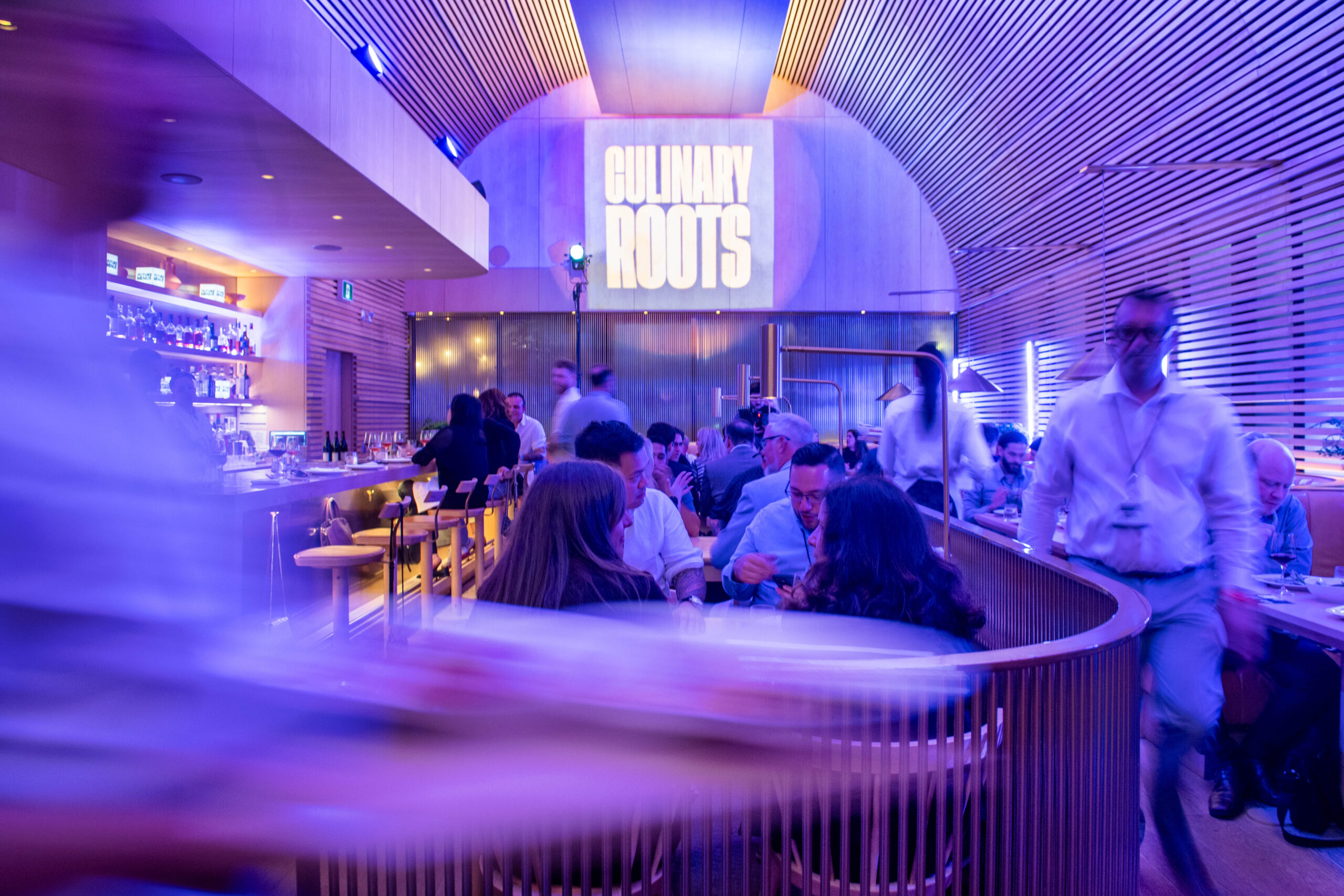
3. Culinary roots – Canadian chefs are celebrating local heritage and uncovering lesser-known recipes, notably Indigenous ingredients and preservation techniques like smoking and open-fire cooking. Canada’s multicultural identity means chefs are empowered to promote authentic traditions with creative, locally sourced recipes, contributing to a food scene rooted in both innovation and heritage.
4. Diner designed – Growing demand for personalized and immersive dining experiences is driving this trend, with 47 per cent of people, according to a Euromonitor report, now preferring to spend money on experiences over material goods.
The Future Menus 2025 report was compiled using global data and chef inputs, including industry reports, social media analytics using 237,000 keywords representing 312 million searches across 21 countries, perspectives from 250 chefs and in-depth feedback from more than 1,100 chef professionals in 20 markets worldwide.
Source: www.foodincanada.com