
Use it or lose it: Maintaining overall mobility to support daily farm life

The Fit to Farm column offers practical, evidence-informed strategies to reduce injury risk, improve mobility and build strength that supports the realities of life on the farm.
Throughout a decade working in health, fitness and physical rehabilitation, it has become clear to me that long-term physical wellness and maintaining longevity of day-to-day physical functions are dependent on a relatively simple, common truth: use it or lose it.
However, we tend to overcomplicate practicing the “use it” part of the equation. A glance at the exercise world today shows us that it’s easy to become overwhelmed by options, fads and what online influencers tell us is the best or only method to long-term physical health and function.
Read Also
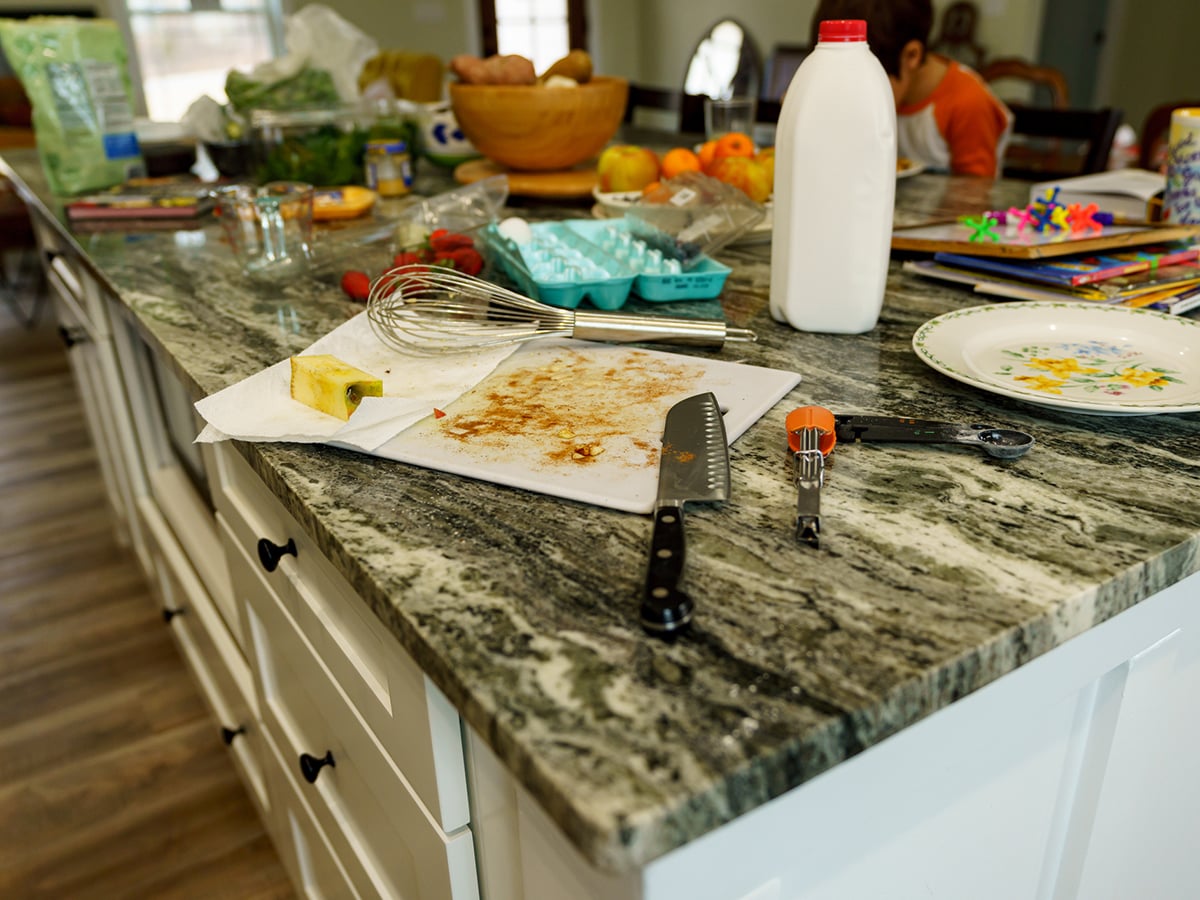
Mess during meal prep
Some people approach meal prep with a whirlwind-mess process. Others prefer the mindful approach of clean as you go.
For most people, maintaining or enhancing overall mobility and strength — the type that helps support daily life — is relatively simple: squatting, hinging, pushing and pulling.
There are endless ways to accomplish those basic movements and engaging in them doesn’t have to be expensive, time-consuming or overwhelming. In this article, I’ll explore the squatting movement as an essential exercise for anyone, at any phase of life.
Of the four key movements mentioned above, squatting is the one I’ve noticed becoming less common in the general population. As our lives get busy and we age, we do more sitting than intentional squatting (sitting down and getting back up again). The ability to get oneself out of a seated position, or off the ground, has even been studied as a measurement for morbidity and longevity. Squatting uses our whole body in a functional way, engaging our legs in both directions, and our balance and body awareness. Even when done with no added weight it affects our abdominal strength, too.
Squatting is considered an essential movement for the human body as it’s a movement we do multiple times a day, whether we are aware of it or not. Many of our daily tasks require some level of squatting. Squatting requires us to have ankle and hip mobility alongside foot, knee and leg strength.
We require the squat motion to get up and down throughout our days: in and out of chairs, in and out of bed, on and off the toilet, in and out of the car, etc. If you’ve ever tried to settle into a chair or onto the toilet while recovering from a knee injury or abdominal surgery, you’ll likely have experienced the dynamic function of all that’s involved internally within the action of sitting down or getting up.
We also use aspects of the same biomechanics when going up or down stairs, bending down to reach into a cupboard, moving bales, working on farm equipment or cleaning the shop.
Here’s a test to try at home to check how good your squat function is. You’ll need a sturdy chair (a dining room chair works well) that places your knees at about ninety degrees when you’re seated on it, with feet flat to the ground and square below the knees. Can you sit down on the chair with control (not falling in the last part of sitting) and without lifting your heels or toes off the ground? Can you stand back up, using no or very minimal support from the hands on the thighs or arm rests? Can you repeat both movements for ten rounds and maintain control both up and down?
If you struggled to achieve the above, you now have homework! Practice sitting to standing, from a higher chair if needed, daily or at least three times per week. You’ll notice that with some practice you can achieve more depth and control over time, and you’ll be engaging in a simple exercise that might help determine independence and overall physical wellness well into your golden years.
Simply bringing attention and intention to where you’re already squatting up and down throughout your day can also be beneficial. Practice pressing your whole foot into the ground to rise out of squat positions (coming up from a chair, bed, the toilet or getting out of vehicles) and practice control on the way down, connecting the foot into the ground and pressing the hips back towards the surface you’re heading to.
If any pain disrupts your ability to squat, it’s important to seek medical advice and access qualified physical rehabilitation guidance. While injuries and discomfort certainly do happen, appropriate and timely rehabilitation guidance can go a long way towards ensuring you’re still able to “use it” and not “lose it” in the long run.

Source: producer.com