VIDEO: Yield EyeQ camera system measures harvest loss at header
Manufacturers continue to look for new and innovative ways to include artificial intelligence into their product designs.
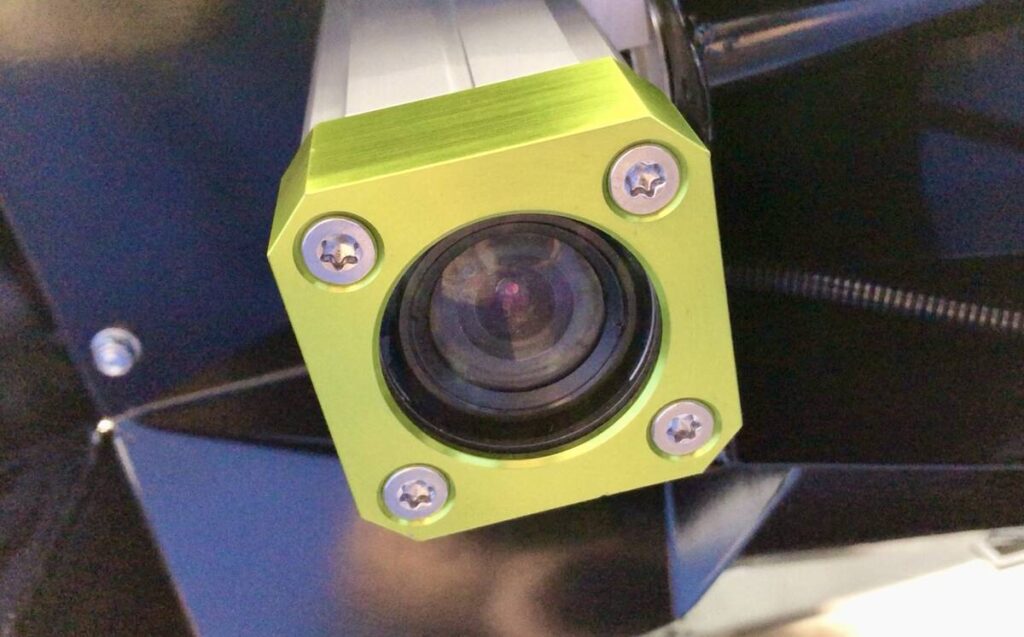
At Agritechnica 2025 last November, Geringhoff joined that list of companies with its camera-based, AI system called Yield EyeQ.
Read Also
Iran war to disrupt urea and sulphur supplies
The war in the Middle East will have the biggest impact on urea and sulphur prices, says an Argus analyst.
Yield EyeQ scans the ground at the combine header to alert producers if they’re leaving money on the field in terms of grain loss.
“We scan the ground behind the header, and then, with software, we analyze if there’s any ears or any crop left in the field,” said Hendrick Schneider, product manager with Geringhoff.
A number of companies have designed after-market products such as drop pans to measure harvest loss at the rear of the combine, but less attention has been paid at the header.
In 2019, field research by the Prairie Agricultural Machinery Institute in Western Canada estimated combine losses for canola averaged nearly three per cent of a growers’ total yield.
Cameras for the Yield EyeQ system are connected to a combine header via a linkage arm.
Once power is routed to the camera, a wi-fi signal connects the camera to a tablet where the software gathers data collected from the harvest floor.
The camera system is set up to take two pictures per second. The number of images it photographs can be adjusted in either directionm depending on operator preference.
Schneider recommended that cameras be mounted at both ends of the header to effectively monitor the ground.
Based on the photographs the cameras take, software in the Yield EyeQ generates graphs to show the extent of harvest loss.
A heat map can also show differences between fields, monitor changes throughout the day or how fields have performed in the past.
At the show, Schneider said that the current system was only set up for harvesting wheat and soybeans.
“Those are the two main crops we have at the moment,” said Schneider.
“Future wise, we’d like to look into different crops, canola, corn, lentils.”
For now, Yield EyeQ only monitors the ground as it passes over the field.
Schneider said that future improvements to the system could include having an ISOBUS connection so operators could adjust equipment on-the-go to help reduce grain loss.
“Further ahead, we’d like to have communication with the combine,” said Schneider, “so maybe those adjustments can be done automatically from the combine cab.”

Source: producer.com