What Iran conflict means for Ontario fertilizer prices
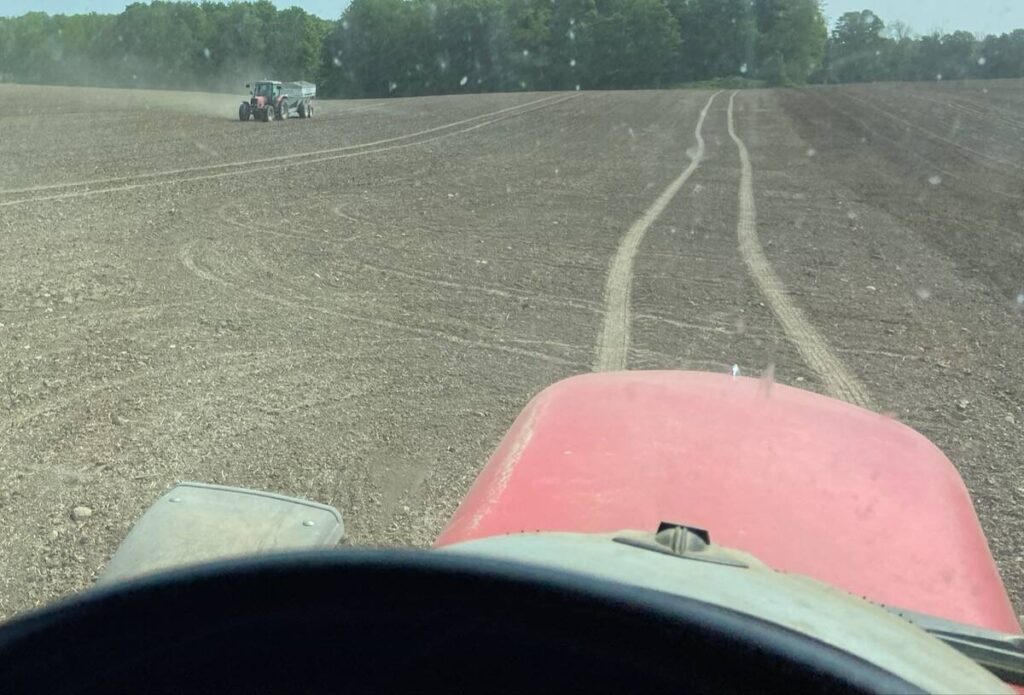
The conflict in Iran and subsequent disturbances in the Strait of Hormuz could add more uncertainty to an already precarious fertilizer situation in Ontario.
“Farmers just aren’t 100 per cent clear on how this is totally going to affect them,” said Jeff Harrison, chair of the Grain Farmers of Ontario (GFO). “And I think that is what is the most frustrating part.”
Ontario and Eastern Canada have already seen increasing fertilizer prices due to a tariff on Russian imports. The recent trade disruptions with Iran threaten to make that situation worse.
Read Also
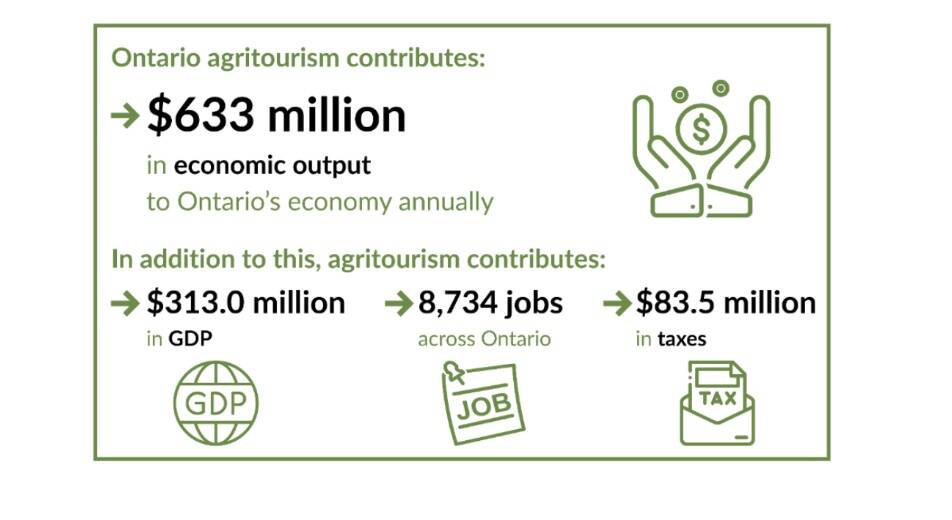
Ontario agritourism study highlights $633M economic impact
Agritourism Ontario has released a new economic growth study examining the province’s agritourism industry.
Why it matters: The Iran conflict could see prices and supply of fertilizer already harmed by Russia tariff affected further.
“We’re being told fertilizer prices have gone up significantly,” Harrison said. “But in some cases, I’m hearing from farmers that they can’t even get … a clear answer on what fertilizer will cost them.”
He said in Ontario some farmers are being told available supply may soon be more expensive than usual.
“I’m a little bit skeptical about some of those statements, because it’s almost like ‘we’ll be able to get it, but you’re gonna have to pay a lot for it,’” he said.
“The biggest message is there’s no clarity.”
Fertilizer prices have been high since the government first put duties on Russian fertilizers after the outbreak of the war with Ukraine, which Harrison argued have not made the intended impact on the Russian economy.
A report from Farm Credit Canada (FCC) said, the tariff on Russian fertilizer imports are costing Canadian farmers around $100 per tonne compared to their United States counterparts.
The FCC report also found farmers in Eastern Canada are the most vulnerable to these specific trade shocks.
Harrison acknowledged Western Canada is not immune to high fertilizer prices largely due to transportation costs and market factors but said Eastern Canada is more reliant on fertilizer imports.
“I’ve heard it said before that it’s cheaper to move fertilizer, potash, out the Port of Vancouver on a Panamax vessel and around the Panama Canal and service the European Union … than to bring potash across our country by rail into Ontario,” Harrison said.
“If we’re going to be expected to sell our grain in a global marketplace, then we have to be able to source our inputs in a global marketplace.”
Harrison said one of the biggest frustrations around the cost is the lack of meaningful acknowledgement from governments on the impacts on farmers.
“This past weekend Brooke Rollins, the (U.S.) Secretary of Agriculture, recognized the impacts that fertilizer prices are having, and (the U.S. Treasury Department) have gone on record this past weekend that they will seek to have more fertilizer exports out of Venezuela.”
“We can’t even get our government to acknowledge the pain that this is inflicting on our industry.”
Harrison said the topic is delicate, especially as some could see the removal of the tariff as rewarding Russia and being anti-Ukraine, which he said could not be farther from the truth.
“Farmers are compassionate people,” he said. “We care about the people that we farm with. We care about all humanity, and no one wants to see those atrocities that happen in Ukraine. No one condones that.”
When the tariff is not achieving its intended goal and is penalizing farmers though, Harrison said it must stop. He said it has been a struggle to get politicians and decision-makers to understand the negative impact of the tariff.
Now, the blockages in the Strait of Hormuz, which sees around one third of global fertilizer trade pass through it according to the United Nations Trade and Development, threatens to disrupt access markets and further complicate matters.
“How does this impact the Ontario farmer? Really, it’s the unknown,” Harrison said. “There’s going to be farmers that have all their fertilizer sourced. There’s going to be farmers that have none.”
“Farmers operate on a level of faith,” he added. “It’s very difficult to change your rotation. It’s not even always sensible. You have to make hard decisions.”
GFO has prepared a letter to the Prime Minister’s Office requesting it lift the tariffs on fertilizer at the federal level. Harrison called it as a sensitive statement and reaffirmed farmers’ compassion toward Ukraine and the ongoing conflict.
“We recognize that it is sensitive and that there could be backlash from people that don’t understand the impacts of these tariffs and don’t understand the fact that this tariff is not achieving its intention,” Harrison said. “These people don’t comprehend the punishment it is having on our farmers.”

Source: Farmtario.com