
What you should know about red-light therapy at home
Reviews and recommendations are unbiased and products are independently selected. Postmedia may earn an affiliate commission from purchases made through links on this page.
For Jenalee Anderson, red-light therapy has been life-changing.
While working in a fast-paced corporate job in Vancouver, she experienced burnout, coupled with an autoimmune diagnosis.
“I definitely had a high stress job,” she recalls.
A self-described “natural researcher,” Anderson did a deep-dive into alternative therapies on her road to healing, becoming certified in integrative health, as well as learning about somatic trauma therapies.
“I just really wanted to know, to understand, what was going on with my body,” she says. “And through that, I picked up different pieces here and there about the nervous system and the flow of energy through our body.”
That exploration eventually led Anderson to red-light therapy.

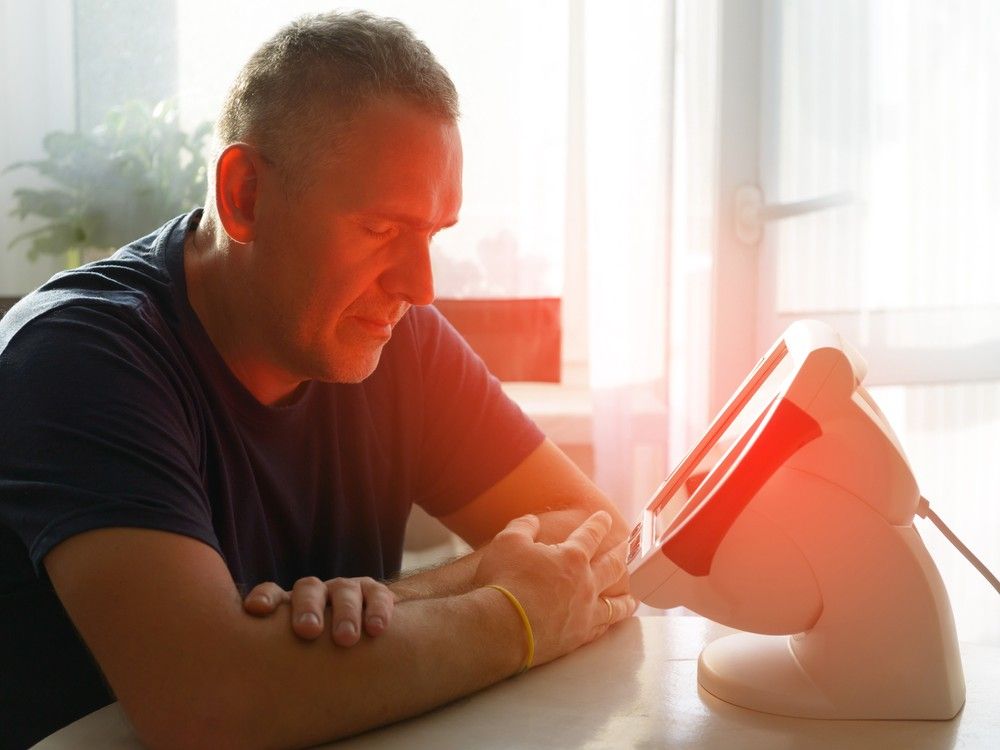
“Red-light therapy is a form of low-level light treatment that can deliver anti-inflammatory effects,” explains
. “It has been popularized amongst consumers through at-home face masks, lamps and wands, and claimed to reduce acne, soften fine lines and improve scars, amongst other benefits.”
Red or low-level light, Dr. Li explains, is thought to trigger a chemical reaction within the body that boosts energy output inside cells, helping to repair cell damage and improve cell function.

Anderson’s personal experience with its benefits, coupled with what she saw as a gap in the at-home therapy tool market, prompted her to create the company
While most at-home options feature red light only, Restore taps into the 14 main meridian channels of acupuncture points.
“I started off with one of those masks that you see everywhere. And in some of my research, I found that there had actually been studies on the use of red light and acupuncture points,” Anderson says.
Restore features app-guided protocols, created by Anderson, that are paired with a pen-like red light therapy device with a rotating head. The device combines red light, vibration and electrical muscle stimulation (EMS) applied to specific acupressure points.
“It’s meant for that precision application,” Anderson explains of the thumbprint-sized wand tip where the red light and EMS is emitted. Using the app’s guidance, the device is placed on specific points of the body. “It’s communicating to your cells with the red light and bioelectrical stimulation.
“It’s like the language of your cells, but on the acupuncture points, it’s kind of like your nervous systems entry entryways.”
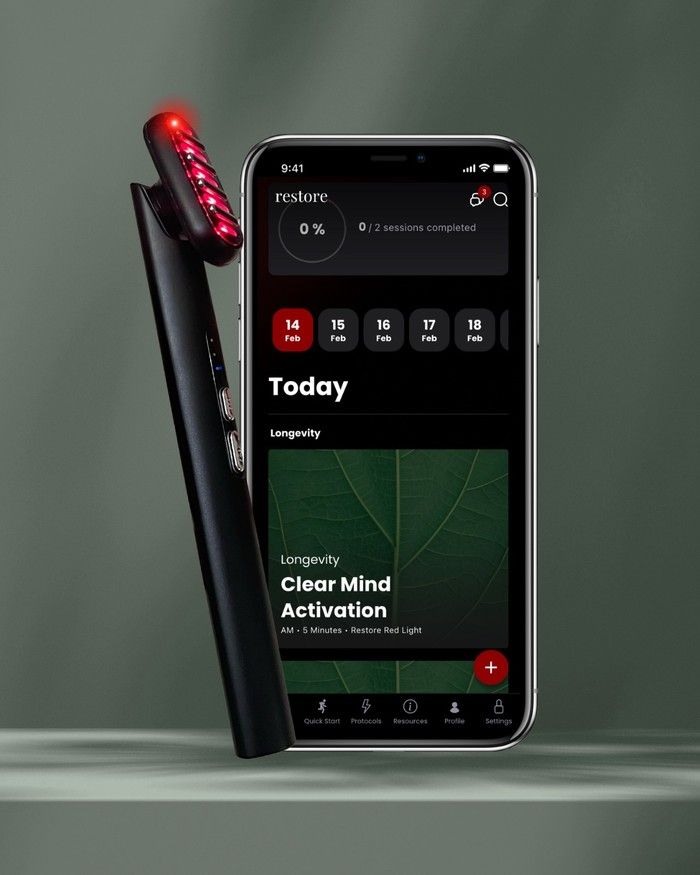
A key differentiator for the Restore device, according to Anderson, is the wavelength of the red light used. Different wavelengths are beneficial for different goals, she says.
“Depending on the goal of the person, whether it’s superficial, whether it’s literally just the skin-enhancing benefits, or if they want the deep muscle penetration — that would be more the infrared side — the wavelength on this device is 660 nm, which is more of a therapeutic wavelength,” Anderson says. “It’s designed to be deeper than the superficial, not as deep as the infrared.”
A wellness tool rather than a medical device, meaning it doesn’t land under Health Canada oversight, Anderson says the subscription-model Restore app and device were created using the guidance of existing research into red-light therapy and acupuncture points.
Using protocols created by Anderson, users can select their goals under specific wellness targets such as Relief and Recovery, Women’s Wellness and Sleep.
“It’s very focused on you,” Anderson says of the device programming.
Whether opting for red-light therapy for skin, mood or other assorted wellness targets, Dr. Li advises that at-home red light devices are typically less powerful than the medical-grade counterparts.
“Because of the much lower potency of at-home devices, use of it over a long period of time is needed to see possible modest results,” she advises. “At-home red light therapy devices require consistent use to deliver its intended effects.
“This typically involves five to 15 minutes of exposure on the skin, three to four times per week.”
The skin expert also notes that red-light devices aren’t suitable for everyone.
“Individuals with photosensitive skin conditions or taking photosensitive medications need to be cautious with red-light therapy and should discuss with a physician first before use,” she says. “There is also potential risk of eye or retina damage, especially if an individual is repeatedly exposing their eyes directly to the red light, so eye protection must be in place.”
Specifically for dermatological targets, Dr. Li recommends purchasing at-home devices that are approved by regulatory bodies from reputable brands to ensure safety, reliability and effectiveness.
“As always, speak to your family physician or dermatologist about the safety and appropriateness of red-light therapy before proceeding, especially as its effects are delivered only with long-term, consistent and measured use,” she notes.
More at-home red light therapy devices
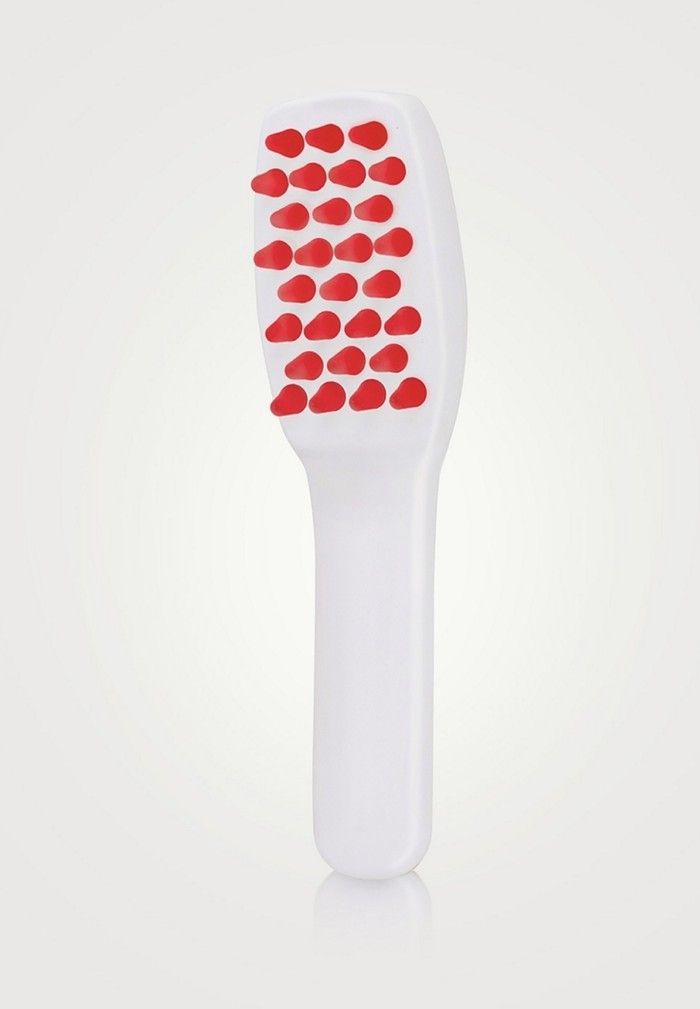
Solaris NY Intensive LED Hair Growth Stimulating Brush
A light therapy option for hair, this bush features both blue and red light, along with gentle vibrations, to stimulate hair growth. The at-home device features a wavelength of 620 +/- 10 nm and 420 +/- 10 nm, according to the brand. With regular use, users should see “thicker, stronger and more resilient” hair.
$ 97 | Holt Renfrew
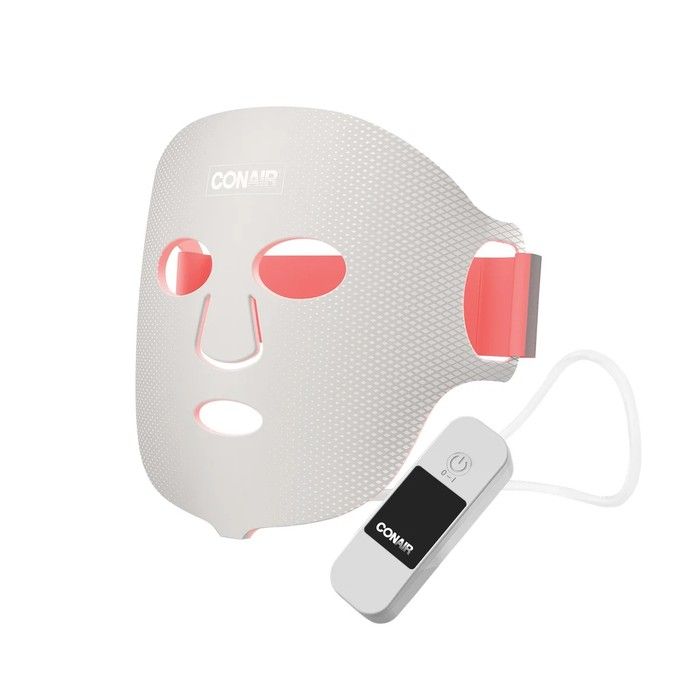
Conair True Glow Mask LED Mask
An at-home LED face mask from Conair, this mask aims to address skin concerns such as redness, fine lines, skin tone and more. The daily device features 60 LED lights and an infrared light wavelength of 660 nm + 880 nm, amber light wavelength of 605 nm and red-light wavelength of 630 nm.
Related
Source: vancouversun.com