
Winter precipitation below normal in southern Prairies
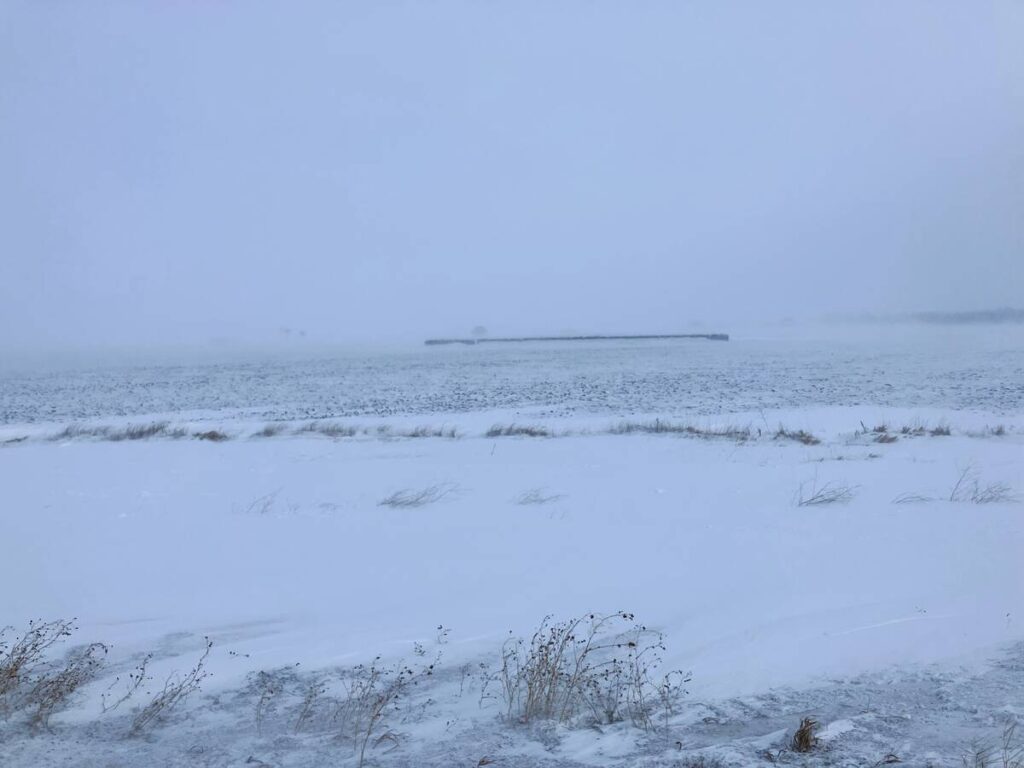
A couple of clipper-style weather systems recently moved through the Prairies.
If this weather pattern seems to be familiar, it should be. After a dry start to the winter season in November, this weather pattern has been a constant feature on the Prairies over the past three months.
The clippers do not drop a lot of precipitation, but the high frequency this winter season has laid down above-average snowfall for most of northern Alberta and northern Saskatchewan.
Read Also

Soybean oil prices expected to rise in 2026-27
SASKATOON — The outlook for grains and oilseeds in 2026-27 is pretty blah, with one notable exception. The demand for…
This area has received 10 to 50 millimetres above the long-term average. This is good news for the Parkland region, which had received below normal precipitation during the 2025 growing season.
An exception to the northern moisture situation is the Peace River region. Precipitation this winter has been well below normal with substantial deficits of 40 to more than 60 mm.
The downside to the weather pattern is the fact that precipitation in the southern Prairies is usually below normal under the current weather pattern.
Southern growing regions have received 10 to 50 mm below average precipitation this winter. This is bad news for the region, especially in areas that received below normal precipitation during the summer period.
The forecasts for the Prairies are calling for a warm spring this year. The above normal temperatures are expected to persist, especially in the southern Prairies, which should help support early planting across the region.
Temperatures are expected to be closer to normal in the central and northern Prairies. This weather, when combined with the above normal snowpack in the north, would cause some later planting for northern regions.
Central growing areas would likely see normal planting progress during May.
The long-term forecast is calling for close to normal precipitation for the Prairie region this spring.
The largest concern as we head into spring is dryness in the southern Prairies and the Peace River region. They need good spring rain to support crop growth and development this year.
Other than these concerns, the Prairies are going into the 2026 planting season in relatively good shape.

Source: producer.com