

Year-round food production coming to Saskatchewan First Nation
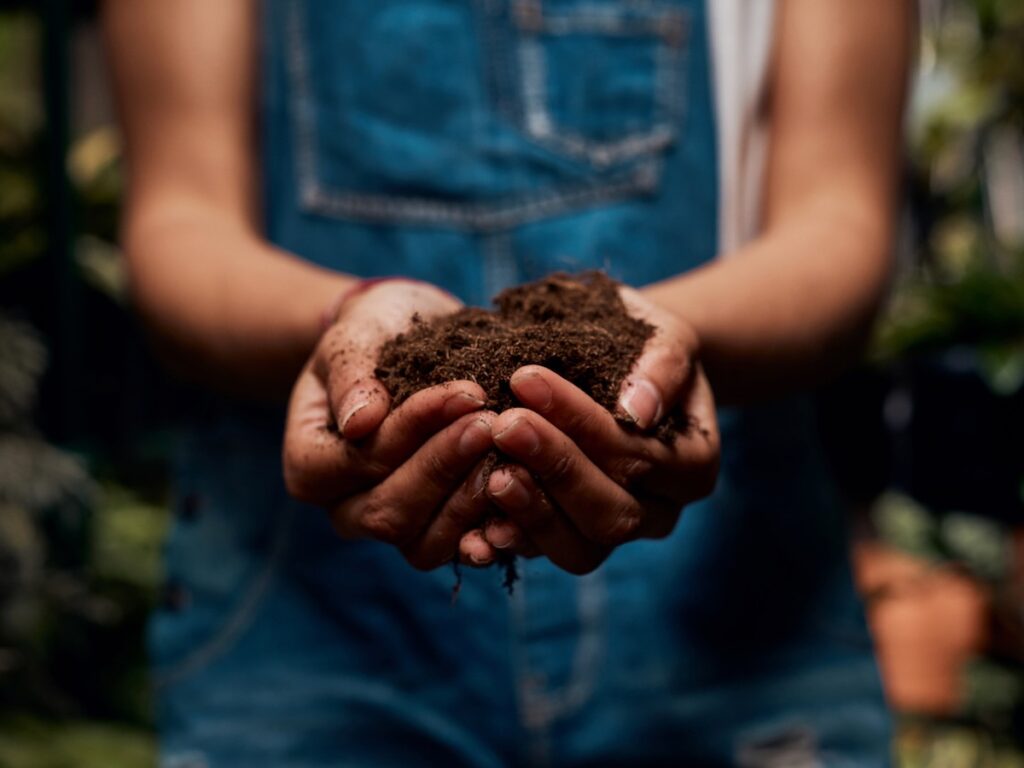
REGINA — Cowessess First Nation is planning to construct another sustainable project with the help of the federal government.
Prairies Economic Development Canada is investing $855,000 in a rapid composting and bio-fertilizer facility to be built on the First Nation east of Regina.
Cowessess Ventures Ltd. is working with B-Nature Biotech and Pro Metal Industries to create an Indigenous-led circular economy system to enhance food production, divert organic waste from landfills and address issues with bears accessing garbage.
Read Also

Sask. tree farm operator charged under immigration legislation
A Weyburn, Sask., man has been charged with three offences under foreign worker and immigration legislation.
Pro Metal is designing and manufacturing bear-proof organics bins and the composting infrastructure.
“Together with the new year-round dome greenhouse, the new composting process closes the nutrient loop on Cowessess and can be easily scaled for use on other First Nations and rural communities,” said a news release from the federal government.
B-Nature is a biotechnology company based in Saskatoon that specializes in rapid, industrial-scale composting technology. Pasqua First Nations purchased metal fabricator Pro Metal in Regina in 2015.
“Our rapid composting platform transforms organic waste into safe, nutrient-rich soil amendments in days rather than months, creating local jobs, strengthening food security and reducing landfill emissions,” said B-Nature’s Raj Behari.
This project is the latest undertaken by CVL, established by the First Nation in 2018 to oversee economic development that focuses on renewable energy and sustainability. It has both wind and solar power projects and last year announced a partnership with the City of Regina to establish a food and yard waste processing facility that sells biochar.
Rebecca Acikahte, business development manager of sustainability at CVL, said this project will help the community produce food on its own land, create skilled jobs and provide indigenous-owned manufacturing jobs.
“Through rapid composting, year-round growing and locally built infrastructure we are improving community safety, strengthening food security and building a model that other First Nations and rural communities can adopt,” she said.

Source: producer.com