

Health Canada proposes use of rosemary extract as food preservative
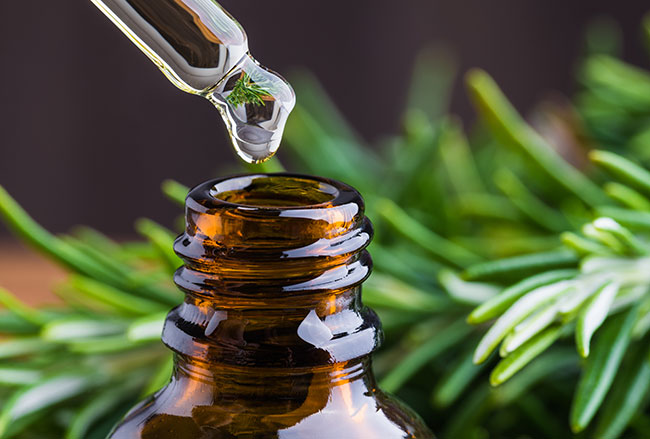
Health Canada is considering permitting the use of rosemary extract as a preservative in brownies, cookies and crackers; dehydrated potato products; noodles and pasta precooked with fat; dried and/or roasted nuts, seeds, and nut or seed spreads; unstandardized snack bars (cereal, fruit or nut bars); and savoury or sweet snack foods (e.g. chips, kernels from soybean or other legumes, popcorn, pretzels, rice cakes).
This follows a food additive submission request it received to allow the use of rosemary extract as a antioxidant preservation in food products in the range of 10 to 50 ppm.
Health Canada completed a premarket safety and efficacy assessment of rosemary extract for its requested use. The assessment considered potential dietary exposure to rosemary extract and other food safety aspects (allergenicity, chemistry, microbiology, nutrition, and toxicology).
Health Canada’s investigation results
Rosemary extract acts as an antioxidant to prevent or delay oxidation in foods, such as oxidation of lipids in fats and oils, which causes rancidity. The antioxidant activity of rosemary extract is primarily attributed to two major constituents of the extract: carnosol and carnosic acid.
Rosemary extracts can impart both flavouring and antioxidant properties, but those intended for use as an antioxidant are manufactured to reduce the content of flavouring constituents and increase the content of antioxidants.
The rosemary extract that was the subject of the food additive submission is manufactured by extraction of dried rosemary (Rosmarinus officinalis L.) leaves with ethanol or acetone, followed by a multi-step refinement process that removes the solvent, reduces volatile flavouring constituents and enhances levels of carnosol and carnosic acid. The final rosemary extract is formulated into low flavour and low aroma commercial preparations that meet the Joint FAO/WHO Expert Committee on Food Additives (JECFA)’s Combined Compendium of Food Additive Specifications monograph for rosemary extract.
The outcome of Health Canada’s evaluation supports authorizing rosemary extract meeting JECFA’s specifications for use as an antioxidant preservative.
Global use
Rosemary extract is permitted for use as a food additive in Australia, New Zealand and the E.U. in various foods. In the United States, essential oils, oleoresins (solvent-free) and natural extractives (including distillates) of rosemary are Generally Recognized as Safe (GRAS) for their intended use.
Rosemary extract used as an antioxidant must be declared in the list of ingredients on prepackaged food labels according to the requirements for declaring food additives.
The consultation on the proposed modifications to the List of Permitted Preservatives and the Table of Food Additive Specifications is now open.
Readers can submit their feedback on this proposal by February 21, 2026, by emailing food.ibr-ipr.aliments@hc-sc.gc.ca. Please use the words “rosemary extract (P-FAA-25-02)” in the subject line of your email.
Source: www.foodincanada.com