
Caution keeps pastureland values in check
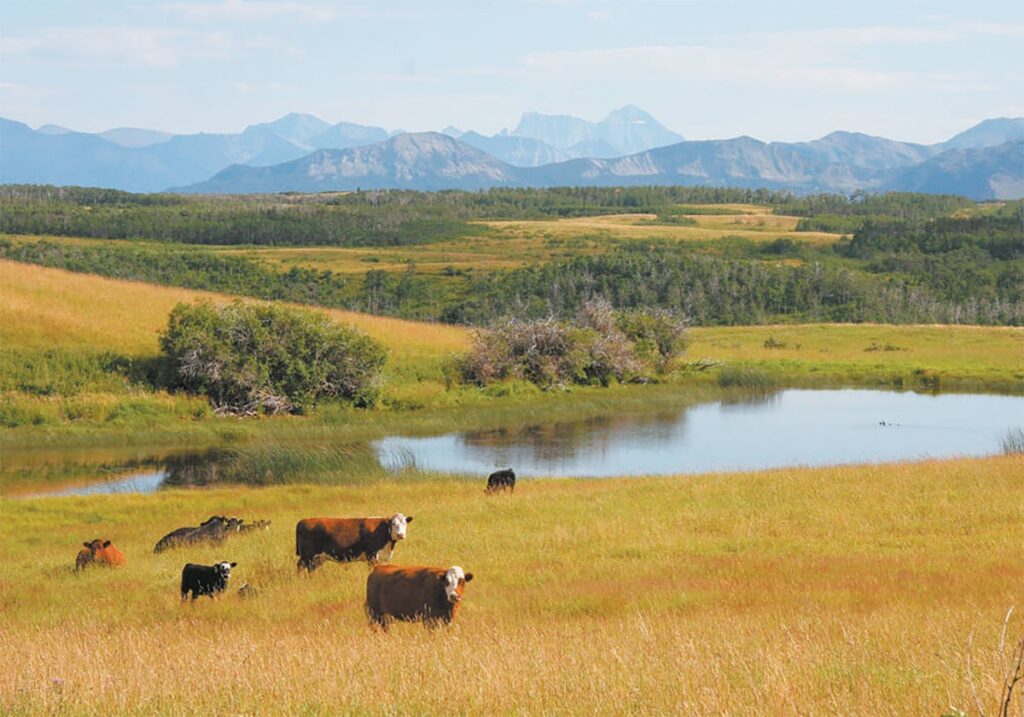
With record beef prices and robust profits for cattle producers, pastureland values should be shooting upward in Western Canada.
They are, but not by much.
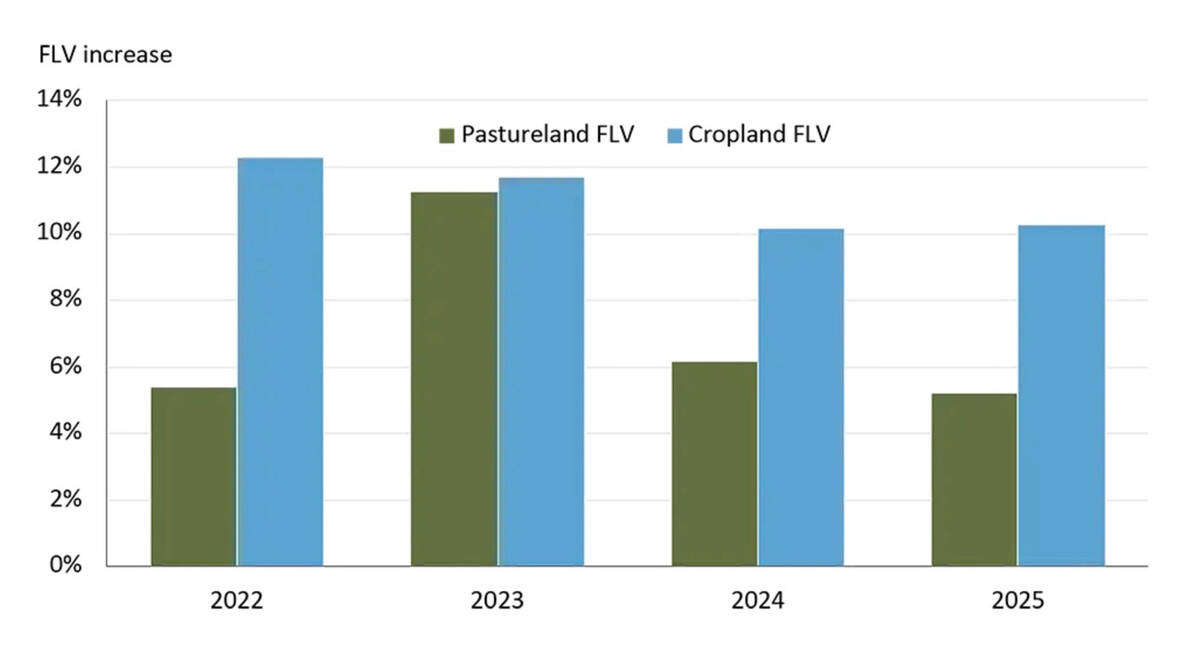
Pasture values increased 5.2 per cent (on average) across the West in 2025, says Farm Credit Canada in its March 24 report on farmland values.
Read Also
Farm chemicals go off patent
Fertilizer prices are high but crop protection prices have been falling as more and more products come off patent, says an industry official.
In comparison, cropland values climbed 12.2 per cent in Manitoba, 11.4 in Alberta and 9.4 per cent in Saskatchewan last year.
The discrepancy of five percent gains for pasture and around 11 per cent for cropland is a bit surprising, considering cattle producers are making money and have cash to spend on land, FCC said.
“While farm cash receipts – or revenue – are typically viewed as indicators of a producer’s ability to reinvest in farmland, the data tells a different story,” FCC says in its report.
“Cattle revenues grew by 74 per cent from 2022-25, but crop receipts declined by nine per cent during the same period.”
In March, 700 to 800 lb. feeder steers were selling at $550 per hundredweight, using provincial government prices in Saskatchewan.
A 700 lb. steer would be worth about $3,850. In March of 2023, that same steer would have sold for $2,000.
Prices have been great and cattle producers have been doing well, but that doesn’t compensate for difficult times in the 2010s.
Cattle producers are rebuilding their balance sheets, and the psychology is different in the livestock business, said Jeff Yorga, president of the Saskatchewan Stock Growers Association.
Many producers have distinct memories of lower prices and droughts and herd reductions. Immediately shifting to a mindset of sunshine and rainbows is not going to happen.
Plus, land speculators aren’t buying up pastureland on the Prairies, so that keeps land values in check.
“If you don’t have investors … it takes a segment of the bidding population out of the race,” said Yorga, who farms near Flintoft in southern Saskatchewan.
No crop insurance
Another factor is the role of crop insurance.
Grain farmers have subsidized crop insurance that protects income during years of drought and cropping failures. An equivalent program doesn’t exist in the cattle business, and bankers are aware of the additional risk.
In practice, it’s more challenging for a cattle producer to get a $15 million loan and purchase a neighbouring ranch.
“With a lot of the older producers who might be looking to exit, it’s harder for them to go to one guy and make a deal,” Yorga said.
There may be economic and psychological reasons for the slower increases in pastureland values, but strong demand for grazing land could be on the horizon.
Canada’s beef cattle herd expanded by 2.5 per cent, Statistics Canada said Jan. 1.
Many producers in Saskatchewan are planning to keep back heifers, with a plan to grow their herd, Yorga said.
However, like most things in agriculture, weather will dictate decisions on the ground.
“It all depends on rain,” Yorga said.
“If there’s no spring rain, those heifers are going to go to town (for sale).”

Source: producer.com