
Poor monsoon may boost Indian lentil imports
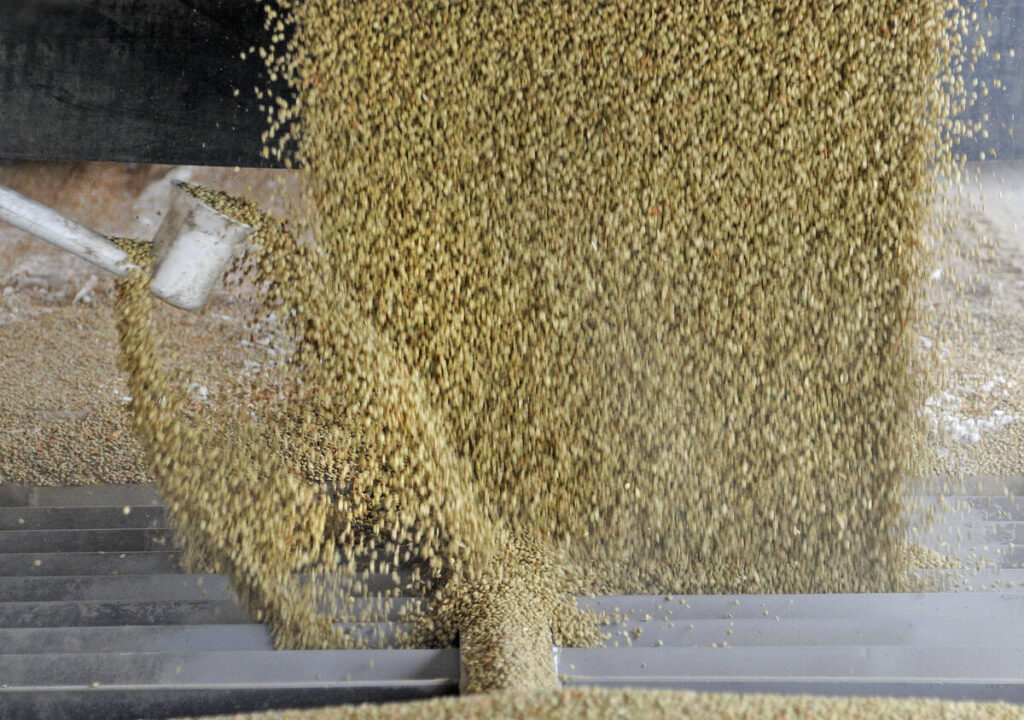
SASKATOON — Analysts warn there could be problems with India’s upcoming pigeon pea crop, which would likely result in heightened green lentil imports to that country.
That would be a good development for Canadian growers, who are sitting on a huge stockpile of the crop.
The India Meteorological Department is forecasting below average 2026 Southwest Monsoon season rainfall for the country.
Read Also

Acreage owners take spray plane firm to court
The owners of an acreage, near Englefeld, Sask., are suing Sky Ag Services over herbicide damage to their garden and property
It believes rainfall for the June through September period will be 92 per cent of its long-term average of 870 millimetres.
“The Monsoon Mission Climate Forecast System suggests the development of El Nino conditions during the Southwest Monsoon season,” the department said in its April 13 long-range forecast.
That usually brings dry conditions to India.
Seeding of India’s kharif crop typically takes place in June and July with harvest in September and October.
“Weather developments present a significant risk to the upcoming crop,” IGrain India analyst Rahul Chauhan said in an email.
He noted that the recent rabi growing season also experienced inadequate rainfall.
“Soil moisture levels remain suboptimal, raising concerns about germination and early crop establishment for kharif pulses.”
Why it Matters: India is a major importer of green lentils.
Kharif is the primary production season for pigeon pea, black matpe and mung pulses.
“Any rainfall deficiency could further tighten supply and increase reliance on imports,” said Chauhan.
Imported green lentils are often used as a substitute for pigeon pea in Indian dishes.
Lentil imports are price sensitive. When pigeon pea prices rise, there is usually increased lentil imports through government civil supplies tenders.
Prices have been subdued this year, despite lower production of the crop.
“However, if pigeon pea prices firm up in the coming months, especially under weather-driven supply concerns, lentil imports are likely to increase,” said Chauhan.
Indian farmers harvested 3.24 million tonnes of pigeon peas in 2025-26, down from 3.6 million tonnes the previous year due to reduced acres.
That has resulted in a surge of pigeon pea imports, with 1.4 million tonnes brought in between April 2025 and February 2026, which is more than the 1.23 million tonnes imported for the entire 2024-25 marketing year.
G. Chandrashekhar, an economist, journalist and policy commentator, believes a poor monsoon would result in a resurgence of overall pulse imports for the country.
“On current reckoning, and subject to harvest prospects in the wake of looming El Nino, India’s pulses import is likely to rebound in 2026-27 with a surge in pigeon pea, black matpe and lentil import,” he said in a recent article he wrote for Saskatchewan Pulse Growers.
India is forecast to import 5.8 million tonnes of pulses in 2025-26, down from 7.2 million tonnes the previous year.
Chauhan said pigeon pea prices are relatively low, which may discourage farmers from allocating higher acreage to the crop in the upcoming kharif season.
“This creates a risk of continued supply tightness if weather conditions also turn unfavourable,” he said.

Source: producer.com