
Grain companies want help to diversify
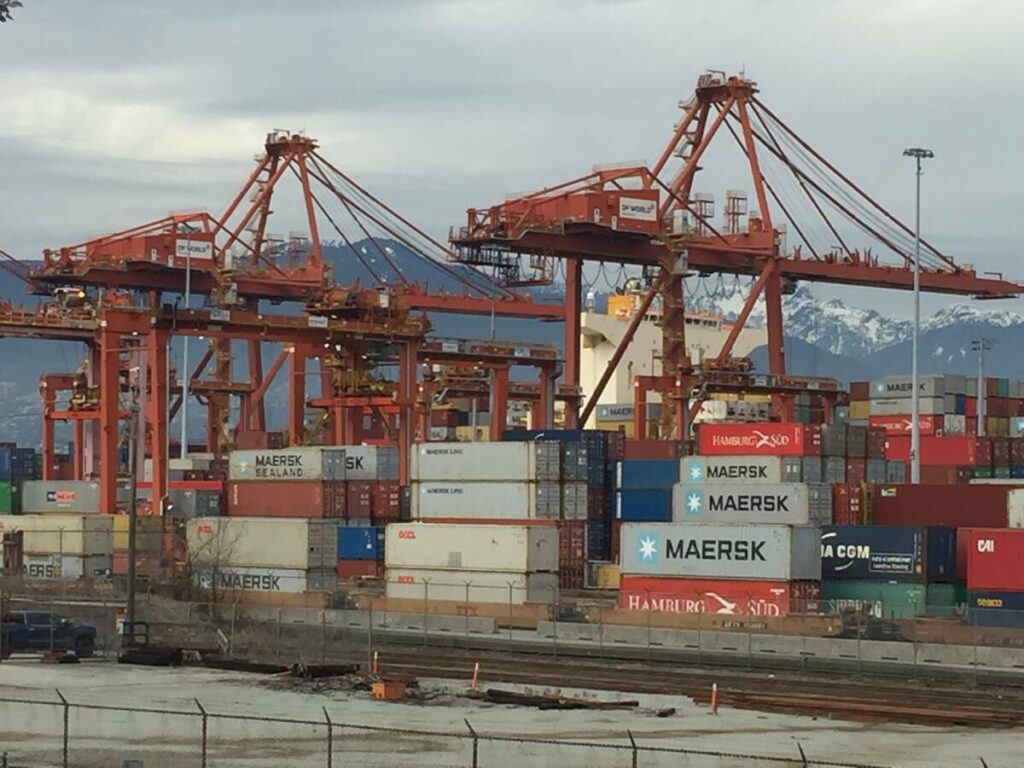
SASKATOON — Grain companies say they need government help if they are going to diversify their customer base.
Prime minister Mark Carney has repeatedly stated that he wants to shift Canada’s trade away from the United States and is taking steps toward achieving that goal.
His government recently announced it is injecting $5 billion into a new Trade Diversification Corridor Fund that will be invested in trade enabling infrastructure.
Read Also
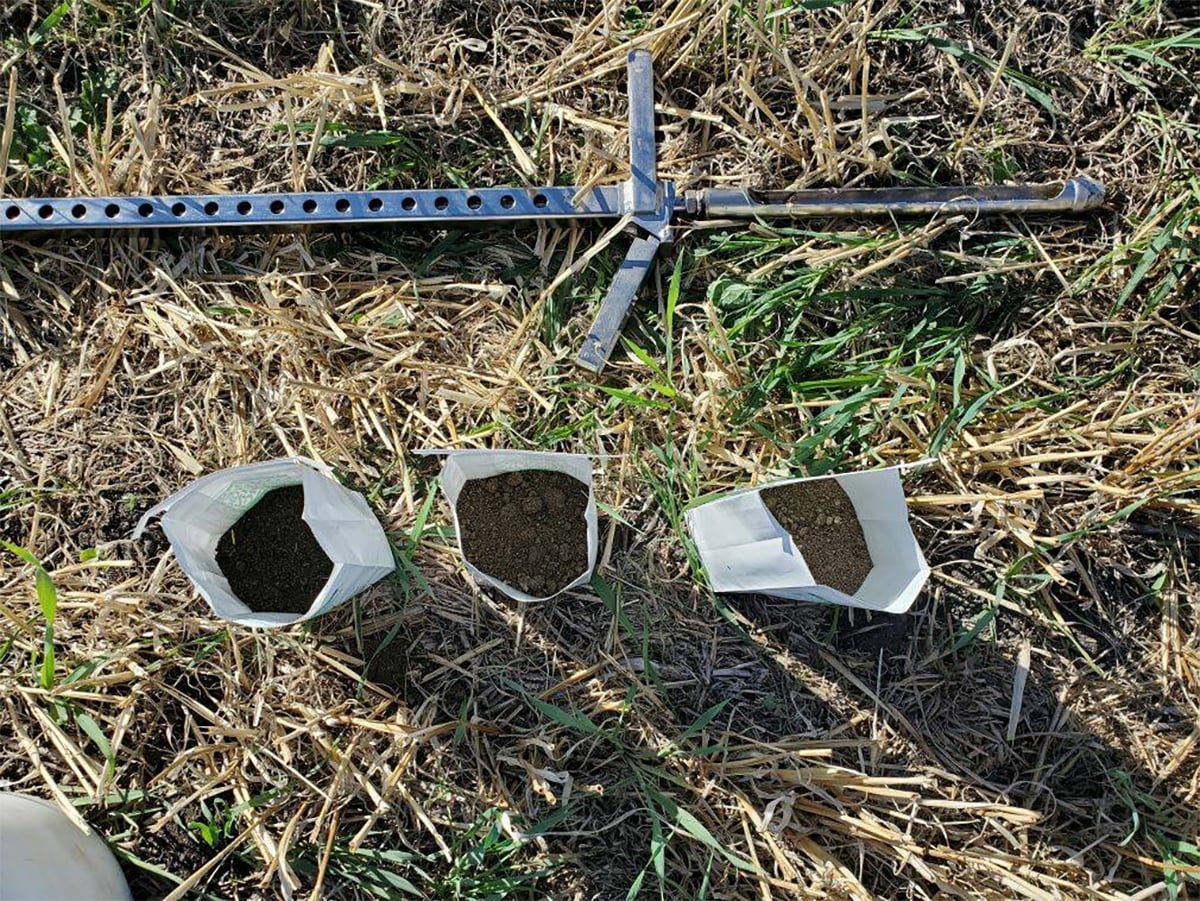
Key part of soil health is annual soil testing
Soil samples don’t just tell producers what they need to apply ahead of their next growing season. They also help to understand what the soil can do for the producer.
Eligible investments include ports, railways, inland terminals, airports and highways.
The hope is that the $5 billion will leverage an additional $10 billion in private sector investments.
Carney’s Liberal government has announced a trade deal with China, is reviving trade talks with India and is interested in expanding relations with the European Union.
Ottawa is trying to fast track the modernization of the Port of Churchill to facilitate exports of natural resources to Europe. The federal government announced $175 million in funding for the project in March 2025.
Wade Sobkowich, executive director of the Western Grain Elevator Association, said his member companies have been asked to do their part in diversifying the Canadian economy.
He said the grain industry is already highly diversified. Cereals Canada reports that 28 million tonnes of Canadian wheat were shipped to more than 80 countries around the world in 2025-26.
However, China, Indonesia, Japan, the United States, Peru and Bangladesh account for half of the annual export volume, with six other countries comprising another 25 per cent.
“There’s a reason why we sell to where we sell right now,” said Sobkowich.
“It’s because we can extract the highest number of foreign dollars and bring them back into the western Canadian economy.”
Carney’s push to diversify trade is a nudge toward a less profitable scenario.
“What that means to us is you need to sell into lower value markets or higher risk markets,” he said.
Why it Matters: U.S. president Donald Trump’s tariffs hve Canada seeking alternative markets.
If that is what the government wants, then there is a role for Ottawa to play in encouraging sales into those high-risk markets.
“What can they do to backstop some of those transactions should they go sideways?” said Sobkowich.
The answer is that the government can set up a program that protects exporters from political risks or unexpected tariffs in certain markets.
When a ship has to be rerouted on the way to a high-risk market, the government could pay the difference between the price that the grain was sold at originally and what the exporter ended up getting for it at an alternate destination.
“That would keep (the grain company) more aggressively buying from the farmer, knowing that the government is going to make them whole and that element of risk has been removed,” he said.
“If everything goes great, the government doesn’t need to pay anything.”
The WGEA would also like to see a tax credit for demurrage and carrying costs, continued government investment in infrastructure and improved labour relations.
The closure of the Strait of Hormuz is an example of the type of geopolitical risk that can suddenly arise in certain markets.
Canada is fortunate that the vast majority of its grain shipments do not use the strait. However, there are likely a few shipments that have been disrupted by the dispute.
“But it’s something that the company has factored in from a risk tolerance point of view,” said Sobkowich.
In addition to causing some delivery issues, the war in the Middle East is driving up ocean freight costs.
Ship & Bunker reports that the Global 20 Ports Average rate for bunker fuel was US$906.50 per tonne as of May 1, which is nearly double the Jan. 1 price of $464.
Sobkowich said the WGEA is not too concerned about that development because it is a global phenomenon that every exporter is facing.
“It’s not putting Canada at a disadvantage over other suppliers of grains and oilseeds,” he said.
The WGEA is more concerned about domestic costs like high port rents, rail costs and labour disruptions that put Canada at a competitive disadvantage versus other exporters.

Source: producer.com