
Cutting beef and forage science is a risky experiment
Agricultural research fascinates me.
Trials and studies aren’t perhaps at the forefront of most beef and forage producers’ minds, yet science, technology and innovations affect farms and ranches daily.
This makes the recently announced cuts and closures to Agriculture Canada’s research programs devastating and lasting.
Read Also
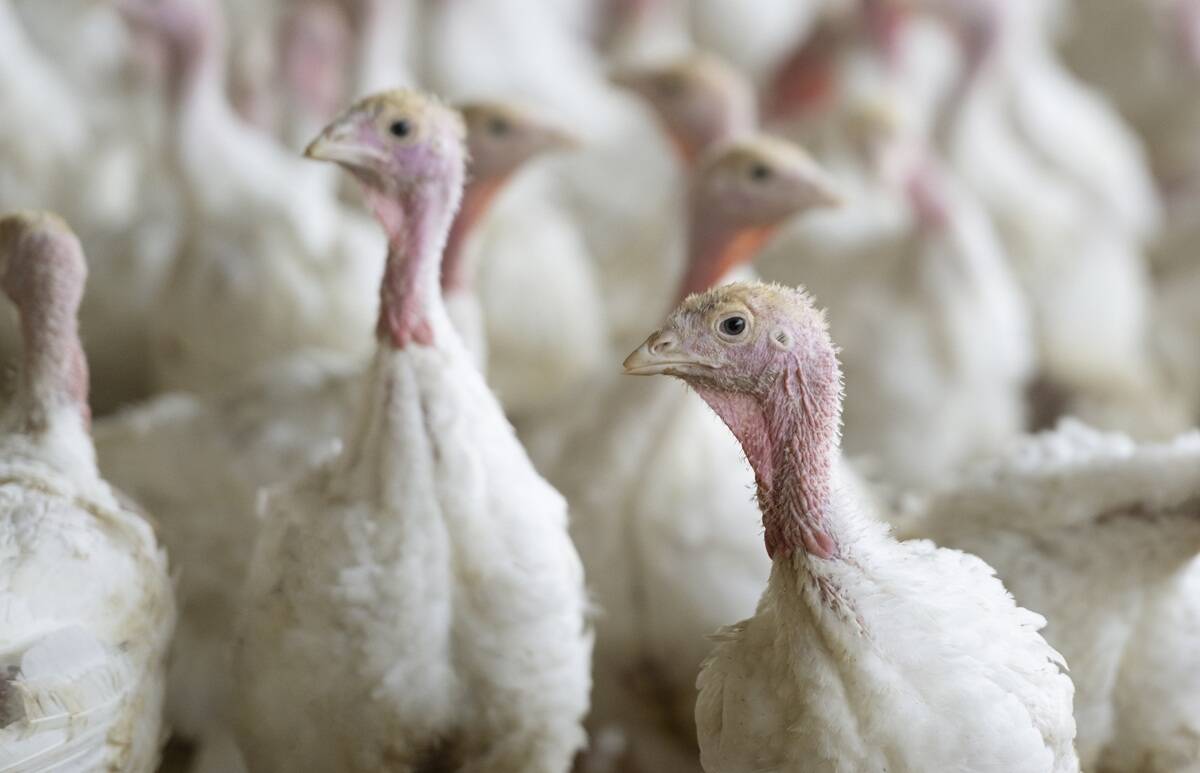
Food agency plans trial for bird flu vaccination
Driven by ongoing highly pathogenic avian influenza discoveries, Canada’s food agency is launching a trial to test the feasibility of vaccinating Canada’s poultry birds.
Follow all our coverage of Agriculture and Agri-Food Canada’s proposed cuts here.
Ranchers have many logistical irons in the fire and timely priorities to navigate.
What variety of barley should I seed? How can I manage salinity? What is the best vaccination protocol for my cattle? What considerations can affect my calves on a long transport trip?
The answers to these questions, plus thousands more, are explored by world-leading scientists right here in Saskatchewan and Canada.
I don’t need to worry about making scientific order from the complex disorder that is ranching. Rather, I can trust that a team of unbiased experts is doing this important work that will help me today, next month and 10 years from now.
I have the good fortune of having an insider’s viewpoint on agriculture research.
I’m the long-time chair of a provincial livestock and forage research committee. I’m also part of the Beef Cattle Research Council, our national beef and forage producer-funded research organization.
These committee experiences allow me to channel my nerdy tendencies when reviewing stacks of research proposals. It’s a privilege to work with fellow producer members to set priorities in an ever-changing landscape.
I’ve learned a lot.
The ag research infrastructure in this country depends on an intricate, efficient network of federal, provincial and academic institutions.
I’ve learned that scientists are incredibly resourceful and generally excellent at collaborating.
For example, a single forage and animal performance experiment might have a team that includes an agronomist, plant breeder, soil scientist, economist and beef scientist from provincial, federal and university organizations.
This approach leverages collective expertise and yields meaningful, budget-friendly research that is effective at the farm level. It’s capacity building at its finest.
I’m proud that the government of Saskatchewan has an incredible record of maintaining a steadfast research program since 1984.
The Agricultural Development Fund has weathered changes in government, transitions in producer marketing systems, droughts, floods and a pandemic, and remains the envy of other provinces.
I’m thankful that producer groups continue to invest their hard-earned check-off and levy dollars into science.
In the past decade alone, Canadian beef producers have increased research contributions by more than 600 per cent. To me, this demonstrates that despite our regional diversity, investing in research is important to boots-on-the-ground producers.
The beef and forage industry is especially vulnerable to federal research cuts. Unlike other commodities, there are no major cattle or forage species corporations available to fill the gap left by Agriculture Canada.
The closure of facilities and termination of meat processing, food safety and forage breeding programs diminishes our national beef and forage footprint at a time when transparent, impartial science is needed most.
Is agriculture really the smartest place for the federal government to scrimp and cut corners? It doesn’t take a PhD to know the answer is no.
Tara Mulhern Davidson is a writer and beef and forage consultant. Along with her family she runs the Lonesome Dove Ranch, a Gelbvieh cow-calf operation in southwestern Saskatchewan.

Source: producer.com