
Food agency plans trial for bird flu vaccination
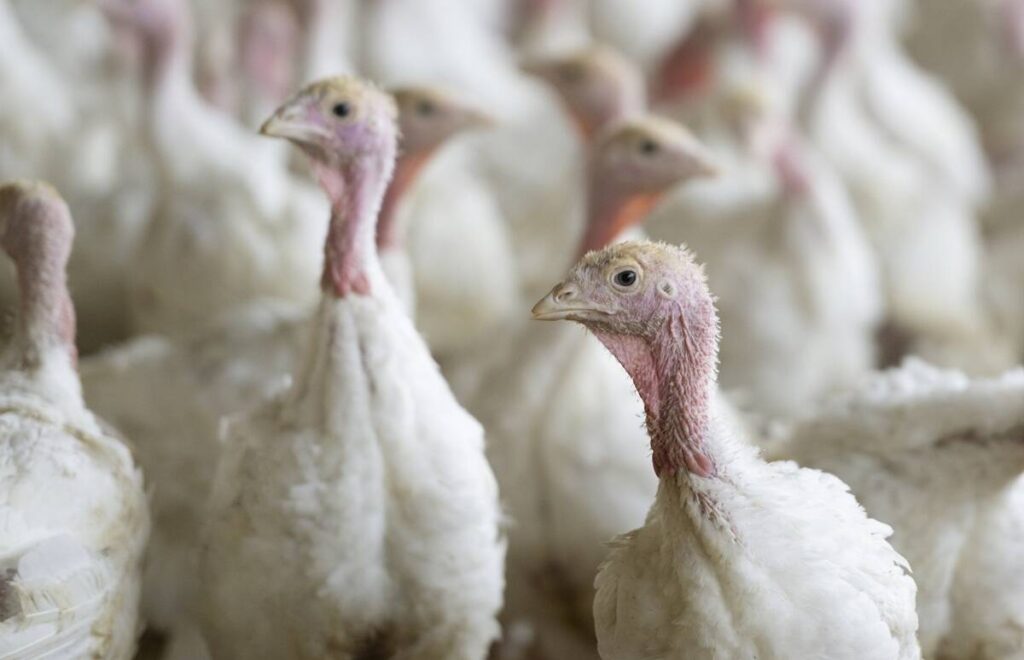
A longer than average migration period among wild birds, which are vectors for highly pathogenic avian influenza in poultry, is driving a Canadian Food Inspection Agency decision to launch a trial testing the feasibility of vaccinating Canadian poultry birds against bird flu.
The agency, in co-operation with provincial and industry partners, is planning a confined field trial later this year to evaluate the logistics and effectiveness of administering HPAI vaccines to poultry.
A confined field trial is a small‑scale, controlled initiative that, in this instance, applies vaccines on a poultry farm setting to assess how they perform while managing potential impacts on animal health, surveillance and trade.
Read Also
Court grants Monette Farms more time to restructure
Monette Farms has been granted an extended stay of proceedings under Companies’ Creditors Arrangement Act protection.
“Findings from this trial may inform future decisions on whether HPAI vaccination should be used in Canada,” Cynthia Philippe, CFIA acting veterinary program specialist, said in an email.
Why it Matters: Federal reports say highly pathogenic avian influenza has impacted 17.5 million Canadian poultry birds since 2021, causing extensive hardship for a key agriculture industry.
Avian flu circulates naturally among wild birds, but the current HPAI cycle has been taking longer than usual, Philippe said, increasing disease detections in the process.
“The ongoing response is unique in the number of detections, the geographical distribution of outbreaks and its long duration, which has extended beyond typical migratory periods.
“The continued detections in both wild and domestic birds serve as a strong reminder for anyone with birds to remain vigilant and maintain effective biosecurity measures to prevent the spread.”
The CFIA reports a decline in HPAI detections compared to 2022-23, but new cases continue as the virus circulates in wild birds that made themselves at home here over the winter.
The agency says 17.3 million birds have been impacted by HPAI since December 2021, when it started responding to nationwide HPAI incidents in flocks of all sizes.
At 10.1 million, British Columbia led the number of birds detected with bird flu. The province also led in current and previously infected premises at six and 273, respectively.
The agency has licensed, for restricted government use, three poultry vaccines for use in the trial. However, they are not being tested for efficacy, says Philippe.
“Canada’s HPAI vaccination field trial is not intended to test or approve new vaccine, but rather to evaluate how vaccination could be implemented in practice, including the logistics and effectiveness of administering the vaccine to poultry,” she said.
“Vaccination may become a useful tool in the future; no formal decision on Canada’s vaccine strategy has been made. Strong biosecurity remains the most effective way to prevent and control the spread of HPAI.”
Supported by industry
In Egg Farmers of Canada’s 2025 annual report, chair Roger Pelissero praised the agency for its agreement to launch the trial, expressing hope it would “help strengthen already strong biosecurity protocols and swift response interventions.”
Darren Ference, a southern Alberta turkey and chicken producer who serves as chair of Turkey Farmers of Canada, says his organization, which has been involved in planning the trial, “fully supports” the CFIA’s vaccination strategy.
“It’s a very, very, very important piece. HPAI affects producers right across the country,” he says.
Although the CFIA and the TFC have robust biosecurity protocols as guardrails against HPAI, including a third party-audited on-farm food safety program, Ference said bird flu has impacted the entire poultry supply chain over the years.
He points to fears of insufficient frozen turkey supplies before Christmas 2022, a year when poultry operations in all the Prairie provinces, particularly Manitoba, experienced heavy losses from HPAI.
“That was mostly due to HPAI outbreaks in certain areas where (there was) heavy turkey production. It was devastating to farmers and the farm industry.”
Processors were also hit hard, he said.
“There were certain processors that basically had contracts but had no turkey to fulfil those contracts (with) retailers.”
Vaccination presents minor trade issues
Poultry industry outsiders may be surprised to learn there has historically been some international trade pushback against HPAI vaccination in Canada. However, those standards have largely been relaxed as the disease gradually became endemic across Europe, said Ference.
That doesn’t much affect the supply managed poultry meat and egg industries in Canada. The turkey sector, for example, exports little to other countries besides certain animal material, such as gizzards and feet, that most Canadians don’t consume.
However, it’s a different story in the United States.
“The broiler industry in the U.S. is almost totally against (HPAI vaccination) because it is totally (reliant on) export,” Ference said.
“We supply our own market to make sure that Canadians are getting fresh, ethically produced, economical product here into our supply chains. So there are a few (trade) implications, but not like in the U.S., where it’s an export market.”
Although the CFIA hasn’t offered details about the location of the trials, Ference reports they will take place near Winnipeg on a yet-to-be-decided turkey operation secluded enough to not spill over into local operations.
So why is the test focused on turkeys rather than ducks and chickens, which outnumber other poultry flocks in Canada by a large magnitude?
Ference said turkeys are more vulnerable to bird flu compared to chickens while domestic duck populations, which are also highly susceptible, pale in population compared to Canada’s other poultry birds.
According to StatCan’s 2021 agriculture census, there were slightly more than 3,200 duck farms in Canada with a total population of 1.7 million. There were fewer turkey operations,at 2,225, but more turkeys at six million.

Source: producer.com