
Ginger tea for upset tummies
The Cultivating Wellness column explores natural health through food and herbal healing. You can expect to find recipes that support full-body health from the inside out.
My first experience with ginger root as a helpful herb was when I was 10 or 11 years old, suffering from a stomach bug. My dad made me a cup of aromatic ginger tea and said that it would help with nausea. I was skeptical. At that age, I wasn’t one to trust taste profiles I wasn’t familiar with, but I was also desperate. Lo and behold, it helped.
I was reminded of ginger’s multitude of benefits as I began my studies of the clinical use of herbs. Ginger is one of the first herbs to be taught, largely because of its broad scope of usefulness and long history as a medicinal ally.
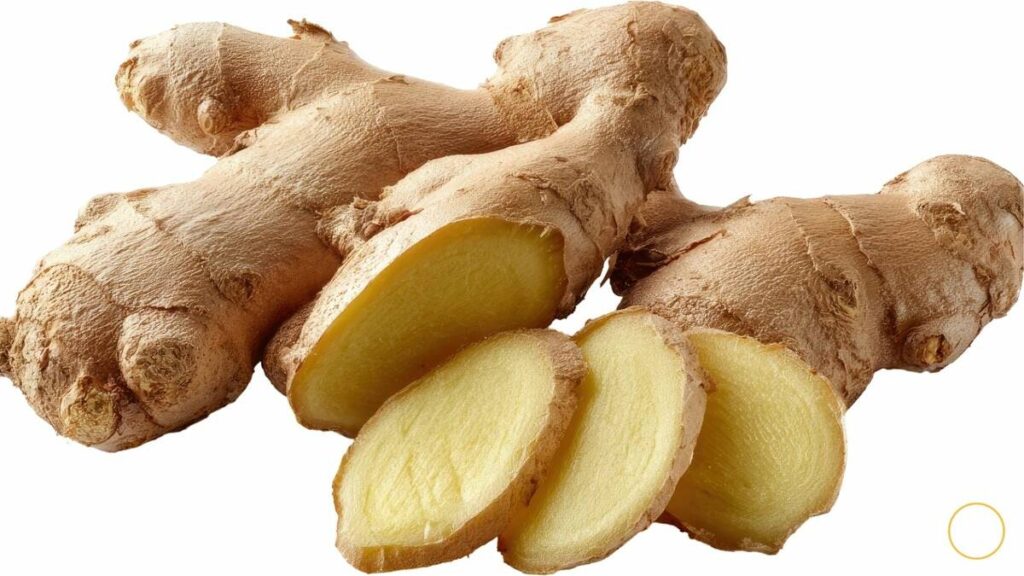
A common statement in the herbal medicine world is that the herbs that can be the most supportive are the ones already in your cupboard or growing in your backyard. Ginger is something many people have in their kitchens, and it can be a simple ingredient to help with many of our day-to-day maladies. While ginger is tough to grow in our climate and if it doesn’t happen to be in your spice cupboard, it is generally easy to find fresh or ground in the supermarket.
Read Also

Ginger is well known for its stomach and digestive health benefits and is effective at reducing nausea. Secondary to digestive support, ginger has been shown to reduce inflammation in both acute and chronic cases and is commonly used for joint pain, acute injury recovery and chronic pain-related conditions.
Ginger has a gently stimulating taste profile and can help boost digestive fluids, improve circulation through the body, bolster heart and vascular health and, when used consistently, it can benefit our metabolism.
Our recipe this issue is a simple ginger-honey tea that can be used as a support for joint pain, stiffness or symptoms involving nausea. All you need is fresh or powdered ginger, honey and hot water.
Ginger is considered a very safe herbal remedy; however, people on blood thinners or medication to support diabetes should consult their health care professional to ensure it’s okay to use. Because ginger can affect insulin-sensitive people, blood glucose levels and circulatory function, if you take medication for any of these issues, ginger dosage can be important. The same applies for women in the first trimester of pregnancy. Ginger can be an excellent support for morning sickness under appropriate clinical guidance, but nuance is important. Please talk with health care providers familiar with your medical history before adding new herbal remedies to your routine.
Ginger-honey tea
If you use powdered ginger, you’ll need half a teaspoon per one cup of water.
If you’re grabbing ginger from the cupboard, check to make sure it’s still aromatic. Ginger powder has a fairly long shelf life when stored in an airtight container and out of direct light. If it smells like ginger, you’re good to go!
Boil your water and mix in your ginger powder and honey to taste.
If you use fresh ginger, grate about one to two teaspoons of the root per cup of water. For a stronger flavour, my recommendation for fresh root is to place the grated root in the water and bring to a boil, letting the combination simmer for about 10 to 20 minutes. Alternatively, you can pour the boiled water over the root, but the flavour and potency will be a bit milder.
Add honey to taste.
There you have it: an easy daily tonic or an as-needed, at-home alternative to NSAIDs or anti-nausea medication.
Click here for more Cultivating Wellness columns.
Source: producer.com