
Essential hand care for hardworking farm hands
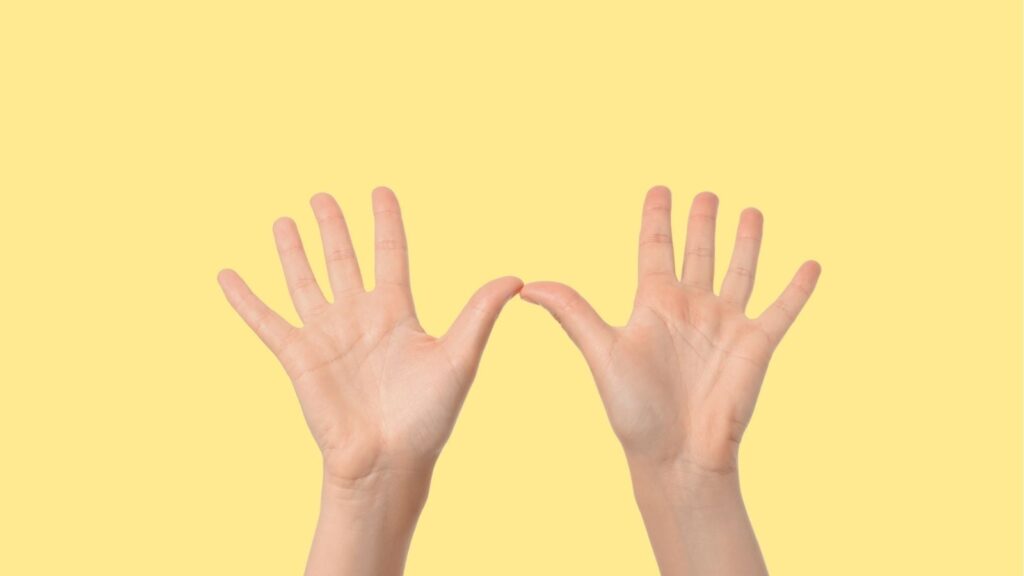
We use our hands constantly, every day. They are a part of our body that sets us apart from other mammals and yet they are often forgotten about when it comes to care. Keeping our hands nourished through circulation and tissue hydration is an important piece of the puzzle to ensure our upper body, and arguably the entire body, continues to move well.
In many wellness theories we find evidence that the hands are full of important pressure points and link into connective tissue chains that run through the entire body. Based on these theories, we learn that by applying intentional treatment to the hands this can have an effect throughout the whole system. Hands are often the first to alert us to joint changes like arthritis, or immune changes like rheumatoid conditions, inflammation or tension. In my clinic, I often find the hands and wrists also contribute to shoulder dysfunction and neck tension.
Hands are an important part of our anatomy that deserve a little extra TLC, especially as we head into a busy spring time season full of work in the yard, garden and on the farm.
Read Also

I invite you to give your hands some love through self-massage, a few times a week or even every day. Here’s how to do it:
Starting with your non-dominant hand, use your dominant hand to gently massage the pressure points on the hand’s webbing. Feel the bones in the palm and work into the tissue between those bones, both on the palm side and the back of the hand. If you find tender points, this is a great place to focus. Rub circles, or rub vertically, into the tender points through each webbing for about 10 to 20 seconds per segment. Don’t forget the space between the thumb and the index finger.
Now, shift your attention to the fingers themselves, starting with the thumb and ending with the pinky. Gently move the skin along the bones. I find it easiest to use my thumb and index finger to twist and wiggle along each finger. Notice where the tissue doesn’t move much; this is a great place to spend extra time. Cover all sides of the fingers and focus especially around each knuckle. Bonus: this is great dexterity practice for the massaging hand. If you have scars, even small ones, spend extra time moving the scar in all directions using light pressure.
Switch sides and repeat.
You can do this while you’re relaxing at the end of the day or in response to aches, tension or pressure anywhere throughout the upper body. The pressure points that live in the hands can make an effective treatment for tension headaches, and neck and shoulder tension.
If hand pain or dysfunction is interrupting your day-to-day life, it’s important to seek professional guidance and hands-on care. Hands are an integral part of life, and skilled physical or manual therapists can assess and effectively support their return to full function.
Click here to read more Fit to Farm columns.
Source: producer.com