
Getting new pesticides to market still a long and expensive process
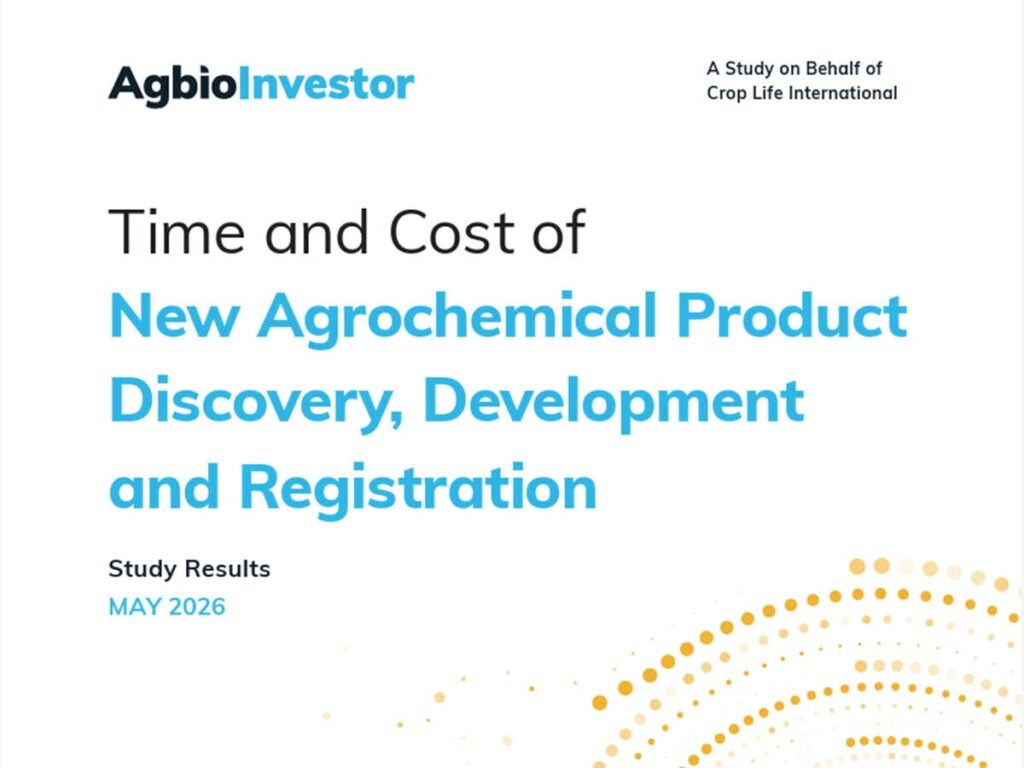
WINNIPEG – It takes about 11.4 years and US $307 million to get a pesticide to market.
That’s a lot of cash and long time to wait for a crop protection company to get a return on investment.
On the positive side, the time required to move a product from discovery to commercial sales has declined, says a study written for CropLife International.
From 2014 to 2019 it took, on average, 12.3 years to get a new active ingredient to market. From 2020 to 2023, the average time period was 11.4 years, says the report, which was published at the end of May.
That’s encouraging, but it still takes an exceptional amount of time and money to get a product into the hands of farmers, says CropLife International, which represents crop protection companies.
“Innovation delayed is too often progress denied. Policy and regulation must keep pace with the urgency to deliver innovation where it’s needed most—on the farm,” says a CropLife statement.
Read Also

The study was a survey of the major crop science companies and similar surveys have been done since the 1990s.
The cost and time needed to get a return on investment, may explain why crop protection companies are spending less on research and development.
From 2019 to 2023, expenditures on “conventional chemical R&D has declined by 9.3 per cent,” the report says.
However, the major firms are dedicating more money to develop biologicals – products that use natural organisms to control crop pests and enhance crop performance.
• In 2014, the major firms spent $16 million on biological research
• In 2023, the amount was $37 million
Those figures don’t account for spending on biologicals by smaller companies, as the survey focused on the big dogs of the agro-chemical industry.
Where does Canada rank?
The CropLife International report didn’t drill down into the costs of getting products registered and into the hands of farmers in specific countries.
But reports from the Organization for Economic Co-operation and Development, suggest that Canada has become a difficult place to invest.
The OECD has ranked Canada 32 out of 38 countries for regulatory and administrative burden and those issues reach into the agriculture industry.
CropLife Canada has routinely pointed out the problems with excessive regulations and directed much of its frustrations at the Pest Management Regulatory Agency, which is now known as the Pesticides Regulatory Directorate.
“The PMRA’s current direction threatens to cripple the regulatory system and drive innovation out of Canada, without any benefits for health and environmental protection,” says a CropLife letter sent to the federal deputy health minister in 2025.
Regulatory challenges and complaints from private industry have caught the attention of Prime Minister Mark Carney.
Last July, Carney committed to simplifying regulations and instructed his ministers to “reduce red tape” in their departments, including agriculture.
The federal government now has a Red Tape Reduction Office, with the mission of removing regulations that are a roadblock to economic growth.
Source: producer.com