
Beef industry focused on traceability issues during recent gathering
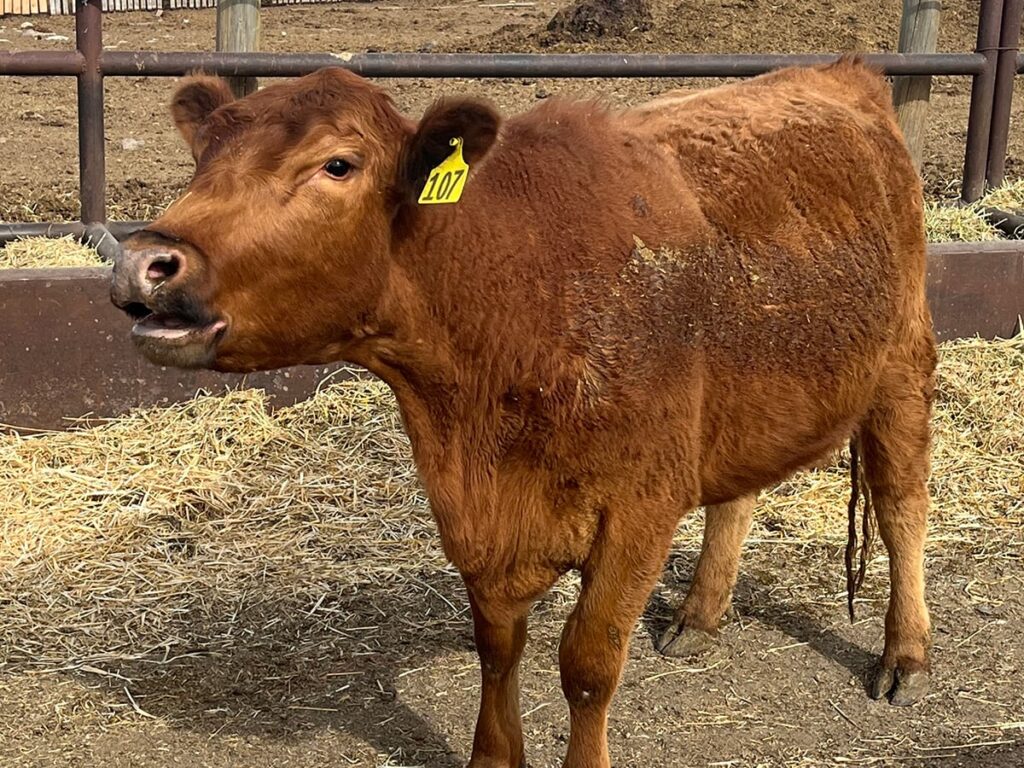
Traceability continues to be a hot-button topic in the cattle industry, particularly after the Canadian Food Inspection Agency paused proposed amendments to livestock tracking under the Health of Animals Regulations.
“Especially in Western Canada, we had a lot of push back from the producer level, and a lot of push back was generated from a social media campaign, and a lot of misinformation, incomplete information and a lack of understanding for the primary producers of what traceability was about,” Rick Wright, chief executive officer of of the Livestock Markets Association of Canada, said during the organization’s recent convention.
Related story in this issue: Live auctions not going anywhere: sector leader
“We, as LMAC, had talked to a number of the organizations the previous 18 months, including CFIA, expressing our disappointment and our concerns about the lack of an educational program for the primary producers, so they knew what was coming.”
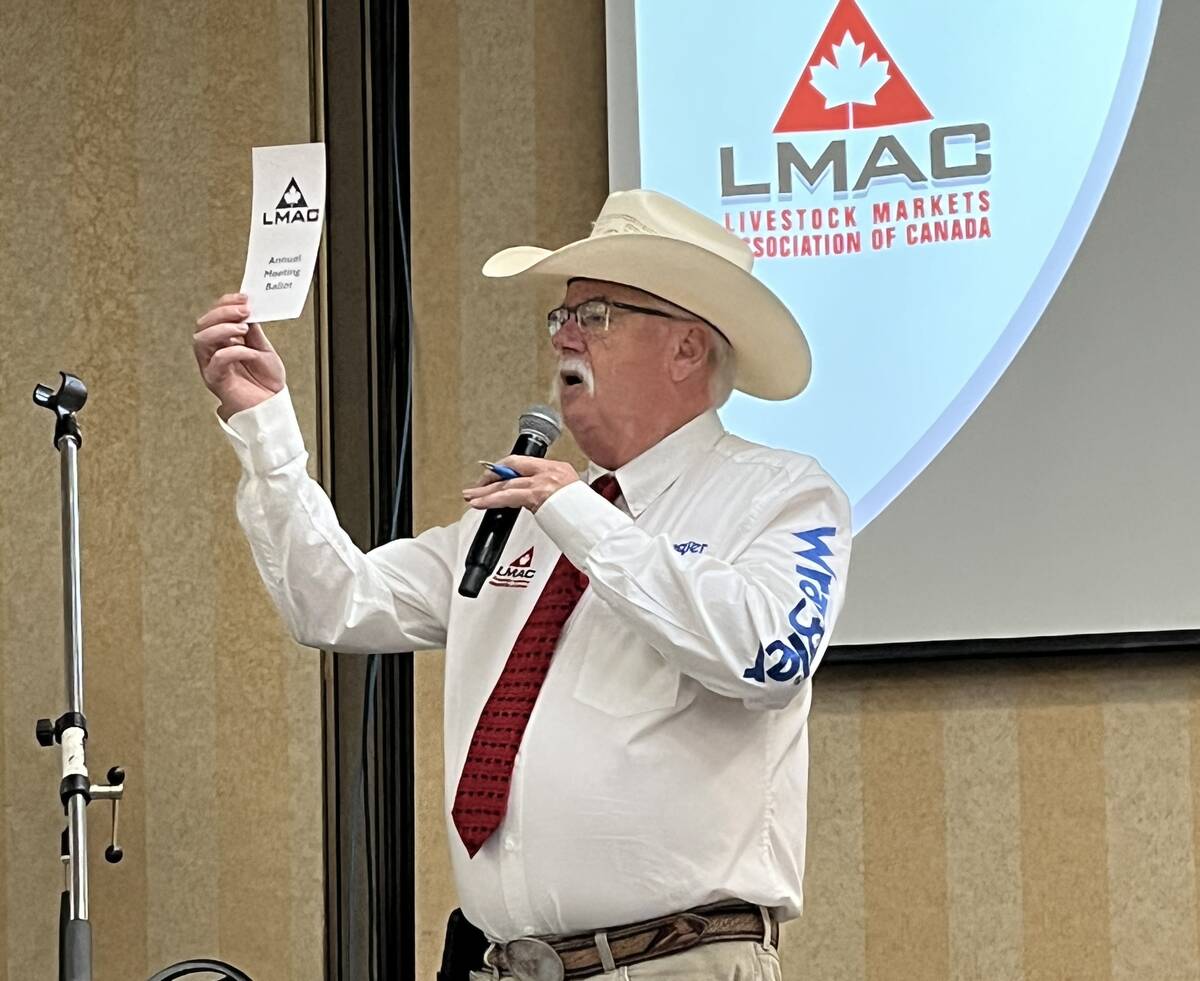
Photo:
Greg Price
The level of acceptance of traceability in the livestock industry will set the tone in international trade going forward.
The LMAC passed amendments to its stance on traceability, focusing on ensuring that any future CFIA changes do not affect the speed of commerce and market neutrality and that the costs don’t outweigh the benefits.
Read Also

As well, the organization says it does not support mandatory scanning and reporting of individual animals at auction markets, buying stations and assembly yards. It supports the use of group-movement documents and group-movement reporting.
Andrea Brockleback, CEO of the Canadian Cattle Association, said cattle producers export 50 per cent of their beef and live cattle production, and traceability is important to them.
“If our market closes, we cannot eat our way (domestically) through this. Many of you remember the auction markets around BSE situations that happened,” she said.
Frustrations have boiled over as western producers argue that traceability standards are not uniform across the country.
Brockleback said Western Canada has systems in place that don’t exist further east and is now being asked to make more changes.
“We have issues, whether it’s registering our operation or birth dates or whatever else. Where industry is focusing, is understanding we need to address those issues before we ask for more from our producers, and CFIA heard this loud and clear,” said Brockleback.
“When I talk to CFIA on this is, they have never paused something like this before. That’s never occurred, and it occurred, and now they’re carefully considering how to move forward, and they’re doing it in partnership with industry.”
Dr. Kee Jim, a leader in the cattle feeding industry, told the LMAC convention that he has read the proposed changes a half dozen times and has a hard time grasping why there is resistance to the minor changes at the cow-calf and backgrounder levels.
He said the current system takes too long to address possible disease outbreaks.
Given the Canadian industry’s reliance on exports, Jim said traceability should not be taken lightly.
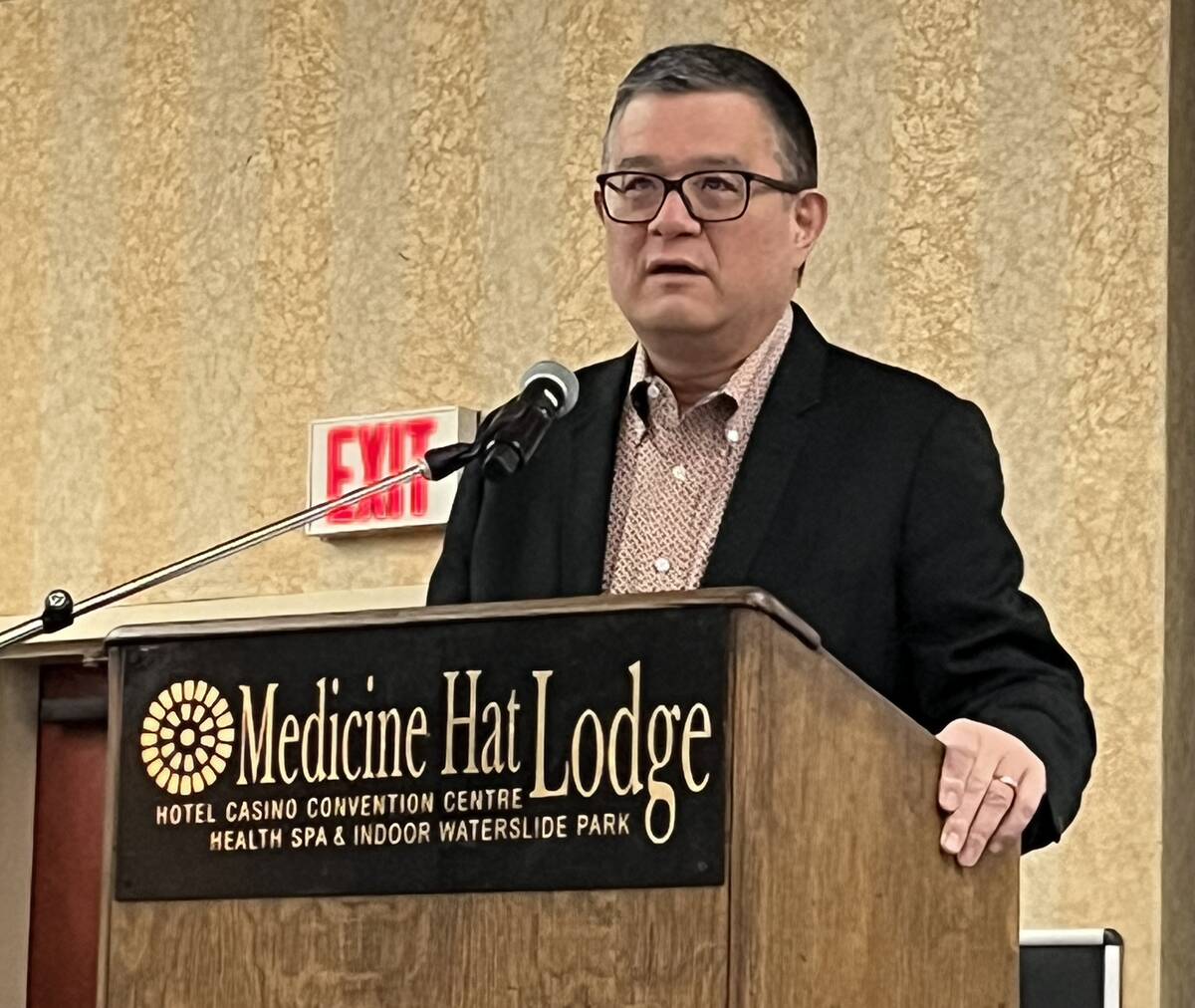
Photo:
Greg Price
“Even if it’s not a direct ask of our places that we’re exporting cattle to right now, it doesn’t have to be direct. It’s essentially a requirement because if we can’t deal with the problem effectively, then our market access goes away,” he said.
“If we plan on opening up some of the new markets, such as the Middle East, Saudi Arabia, they have increased requirements for traceability. Our current system is not going to cut it for new markets. Remember, some of those people have money to buy our high quality, grain-fed product.”
Jim said it may be possible to tweak the proposed standards, but he encouraged producers to support the changes with some amendments.
“The ask is not overwhelming at all. I’m going to argue you’re going to spend more money buying beer for your branding than you are complying to the proposed traceability amendments on a per-head basis. We need to make sure here that we maintain our current market access and we’re in a position to respond quickly to any foreign animal disease incursions, to get the border open as quickly as possible,” he said.
“The proposed enhancements and the proposed changes are buying you time. The decreased time to report movements and things like that are related to the speed of which we need to respond to a problem.”
He said he is convinced that resistance to the changes is coming more from social media pressure than from those who have meaningful skin in the game.
There was similar hesitation in 1998 when traceability standards were voluntary and then when they became mandatory in 2002, he added.
Jim said there was dissension in the industry then, both at the provincial and national level.
“But it got through the system, and was approved, and everyone lived. It didn’t turn out to be all that bad. So, I think the producer organizations need to come up and make sure they get these changes done, and they approve them.”
Source: producer.com