
Check watering system before turning out cattle
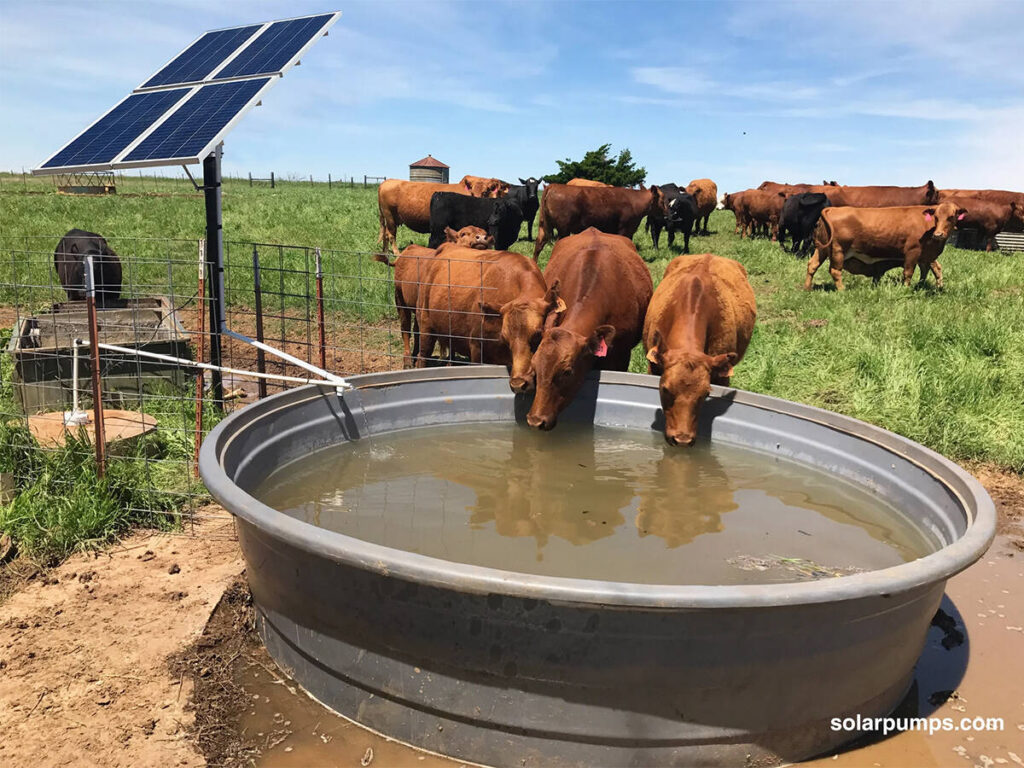
Producers can use a simple check list to make sure their water system is prepared when they send cattle out to pasture.
“The idea isn’t to do everything perfectly. It’s just to catch the obvious problems early before the cattle arrive to the pastures,” Naveen Arora, agricultural water specialist with Alberta Agriculture and Irrigation, said during a webinar hosted by the Peace Country Beef and Forage Association.
Related stories:
Arora has divided his timeline into three weeks.
Three week check
“About three weeks out, it’s a basic kind of check. You can walk around, look at the water source and the surroundings,” he said.
At this point, there is still a lot of time to react.
“It’s a more proactive approach, rather than reaction,” said Arora, who is based in Peace River.
This check includes a physical walk around, checking the fence around the dugout and the banks of the dugout. Access points should be checked for winter damage, which can be caused by wildlife, snow load or ice.
Read Also
“Once you see that physically everything is okay, then we have to use our senses,” he said.
“Look at the water. If it’s excessively muddy or discoloured, there’s more turbidity. Take note of strong odours, like swampy smells or any rotten egg odours, which could be associated with hydrogen sulfide or anything chemical. We don’t want to diagnose anything. It is just to detect if something looks off. If that is the base, this is the right time to establish a baseline,” he said.
Water sampling is key
It’s a good idea to collect a water sample and send it to the lab. Sending the sample to the lab three weeks before turnout will give enough lead time for lab results. Labs can test for things such as coliform bacteria, nitrates and alkalinity.
“Then we can make an informed decision before the cattle arrive,” he said.
“It’s good to know all the early indicators, but eventually we have to relate it to lab results because they give the chemistry context to decide,” he said.
Water quality issues show up in dugouts in spring and early summer.
“Most common concerns are turbidity and fecal contamination, which are driven by snow melt, runoff, bank disturbances and winter deposition,” said Arora.
Sometimes there is a nitrogen fluctuation that can indicate nutrient movement from the surrounding land into the dugout.
“One key thing to remember is that in spring, water quantity often improves before water quality stabilizes, which is why the early checks are important,” he said.
Knowledge of background water chemistry can explain how dugout water behaves.
“The pH influences the acceptance of livestock to the water and overall water stability,” he said.
“Most of our water used for livestock tends to fall between six and eight pH, which is generally acceptable,” he said.
Alkalinity explains the stability of the water chemistry, said Arora. Total dissolved solids in the water are used to screen the water.
“It gives context, but it does not tell what makes up the dissolved material because it could consist of further different soils. This kind of chemistry becomes important once you start talking about treatment options. If you want to treat the turbidity, then you have to test the water for all these factors to know whether the treatment would be effective or not,” he said.
Coagulation is the most common way to treat turbidity. It works by binding fine sediments and organic particles together so they will settle down, and water clarity will be improved.
“It is mostly useful when water quality issues are derived by the spring runoff, and we see all those dark, chocolatey colours after heavy runoff or strong winds, or if there have been bank disturbances because of poor slope design or livestock access,” he said.
“That’s where this lab test will become important. The pH and alkalinity influence how well coagulation will work, and they also affect how predictable the response will be, because coagulation is not going to fix everything. It will not remove any dissolved salts or correct underlying chemical issues in the water. It is just going to give us a temporary solution and cause sediments to settle down,” he said.
Two week check
At two weeks in, producers can check the hardware intakes, the troughs and any aspect of the watering system that may have been damaged during the winter. This involves looking at the power system and making sure batteries are charged, solar panels are clean and everything is connected.
The intake should be flowing properly and should not be buried in the sediment. Things can build up on the intakes, anchors, floating pipes, string and troughs, so walking around the system and looking for obvious winter damage, leaks or fittings that did not survive the winter is a good practice.
“It’s a good idea to give troughs a good clean, drain the water out and scrub them down and rinse before running the system,” he said.
Week before turnout
A week before turning the cattle out, producers should test run their system and make sure the water from the dugout reaches the trough.
This confirms the water will be available and the system is doing its job.
“Just watch for obvious issues, like leaks here in the line or splashing at fittings, and we can again check the floats and see that they move freely,” he said.
If the system can run independently for short periods, that’s a good indication it will work when cattle arrive.
Funding is available for producers who want to build watering systems on their farms.
The Sustainable Canadian Agriculture Partnership has a water program. The on-farm water supply stream of the program can help a primary producer build dugout dams and spring developments.
Through the government of Alberta, Albertans can learn more about the requirements for the on-farm water supply stream and the on-farm irrigation stream.
Source: producer.com