

Construction starts on BASF canola centre expansion
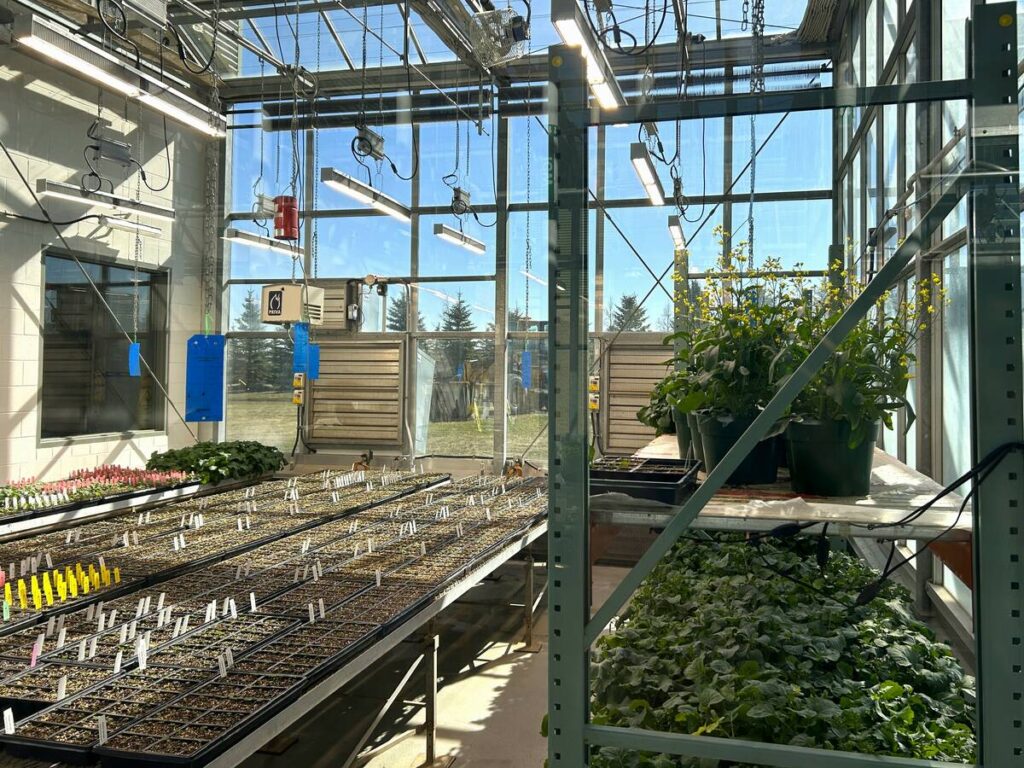
Nearly 30 years of work on canola have been conducted at BASF’s Canola Breeding Innovation Centre northeast of Saskatoon.
“Innovations such as in InVigor Health and our pod shatter reduction technology have fundamentally changed the way farmers farm canola,” Leta LaRush, vice-president and head of BASF Agricultural Solutions Canada, said May 6 during the groundbreaking ceremony for a new expanded facility.
“And it’s helped grow those initial 12.5 million acres (seeded in 1997) into 22.5 million acres.”
BASF will be continuing its growth with an investment of $27 million for an expansion of its breeding lab.
The extension adds 2,400 sq. metres and includes precision controlled-environment growth chambers and high-throughput automation lines that will shorten breeding timelines. The facility expansion will also have an advanced glasshouse to support future breeding.
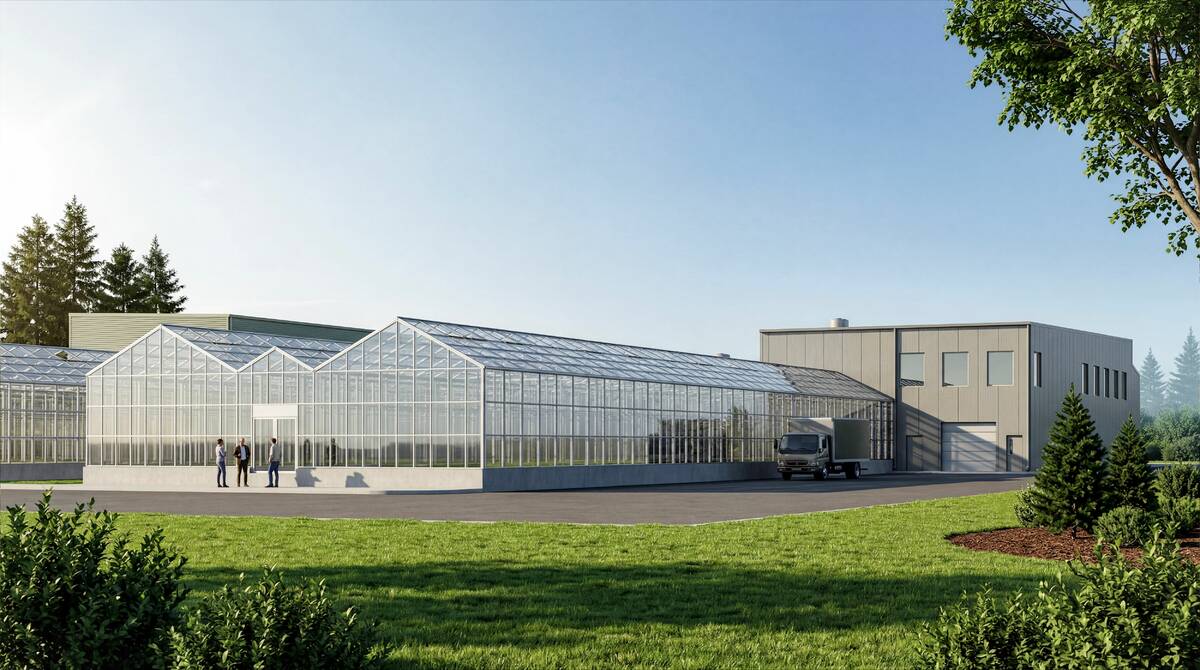
Photo:
BASF
Each part of the expansion increases automation and the ability to put more material through the process. BASF already uses predictive and speed breeding techniques, but this growth will enhance those.
Read Also
The facility currently has 60 employees, but that count is expected to grow with the increased capacity of research.
“These enhancements are critical to implementing genomic selection at scale, enabling faster, more precise breeding decisions and accelerating genetic gain across all of our programs,” said Paul Rea, senior vice-president of BASF Agricultural Solutions North America.
Construction is expected to begin in the days following the groundbreaking ceremony, with completion expected by the end of 2027 for research and breeding teams to be in the facility.
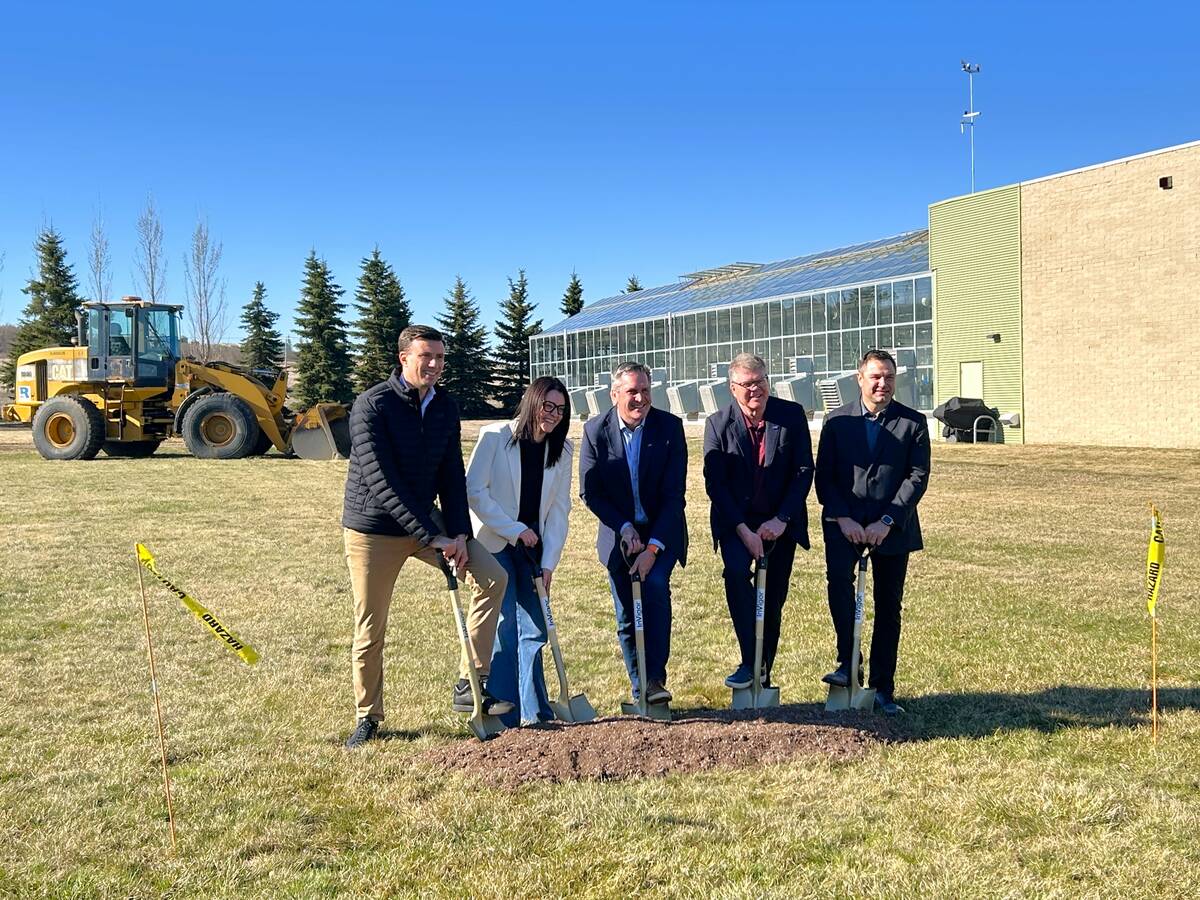
Photo:
Janelle Rudolph
“It’s going to be lab space for enhancing all of the activities that our breeding and our genetics team do, as well as additional glasshouse space too,” said Brent Collins, BASF Canada’s head of seeds and traits.
“So if you draw the analogy, it’s more bench space, but it’s also the inclusion of many new novel techniques for breeding and genomic selection that are very important for us to continue to maintain InVigor as the leading brand in Western Canada.”
More genetic material, better odds of success
The BASF Saskatoon facility is a “global hub” for canola breeding, and increases BASF’s global market reliance on it. While the European and Australian markets manage their own genetics, the techniques and findings in Canada play a role across BASF.
“It’s often a numbers game in crop development and in breeding,” said Collins.
“There’s greater likelihood of being able to identify what that next successful hybrid is by putting more material through the channel.”
The investment for the lab will increase the number of crosses and double haploids that can be evaluated, particularly with technologies such as genomic selection and predictive breeding, both of which enable the identification of which genetics should be carried forward and increase the ability to boost yield, yield stability and abiotic stress tolerance.
“It’s really an increase in genetic gain,” said Jeff Mansiere, BASF canola breeding manager.
“So if you think of breeder formula for what genetic gain is, a component of it is the frequency, the timing that you’re actually growing, and, of course, the number that you’re able to evaluate.”
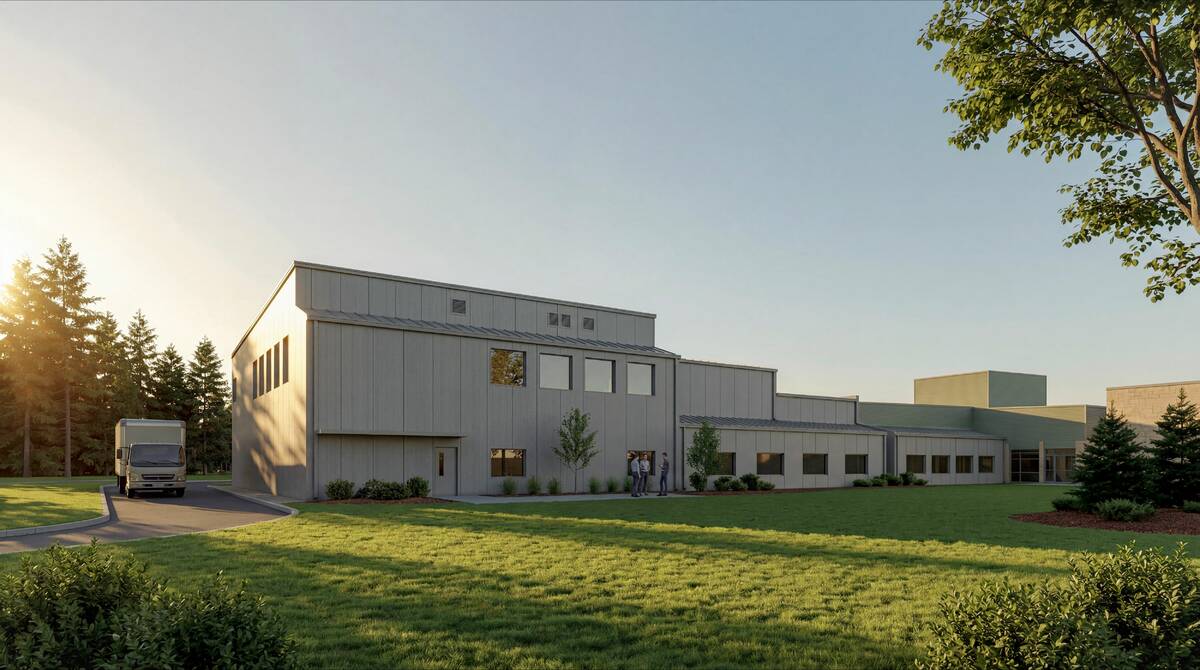
Photo:
BASF
When choosing which double haploids to continue with, tissue samples are taken for genetic screening to identify traits of interest. Some of the priority traits are yield protection and pod resilience as well as disease resistance against clubroot and blackleg.
Markers for these traits are then made and put through the high-throughput screening. However, as researchers wait for results, the plants continue to grow in the greenhouse.
When the screening results come back and determine the successful plants, they move to in-field testing.
The expansion will increase the efficiencies of this process by 20 to 30 per cent, Mansiere added.
Source: producer.com