
Cropping options abound for Prairie farmers
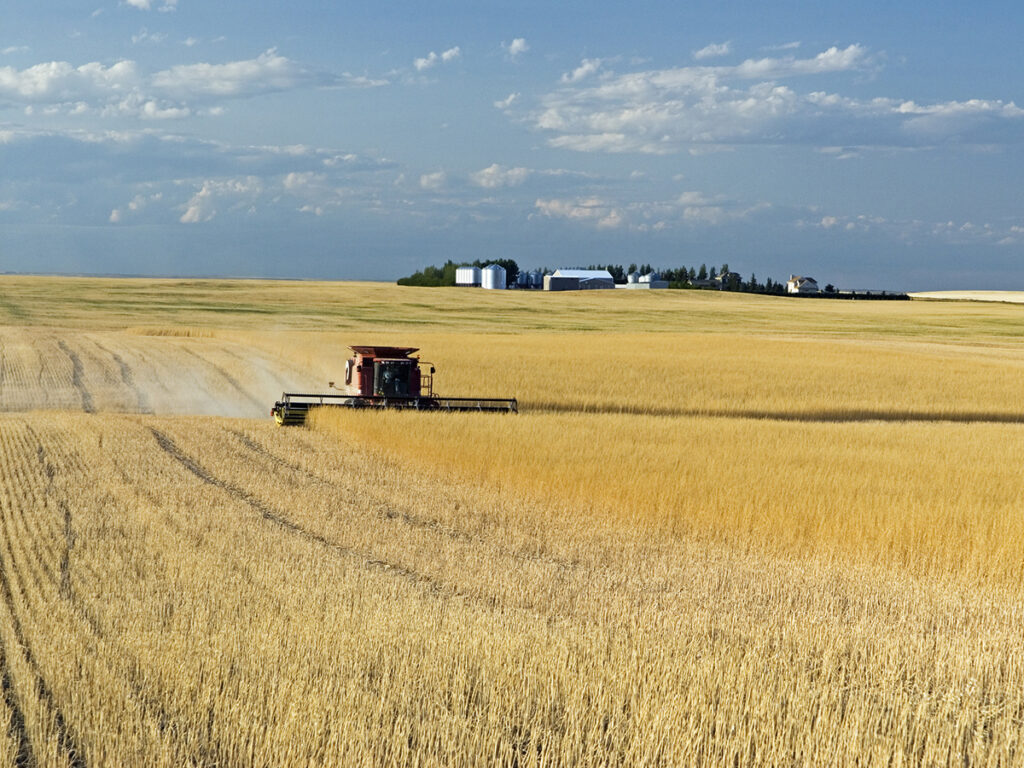
One of the strengths of Prairie agriculture is our crop diversity.
Whereas American field crop production is dominated by corn, soybeans and winter wheat, many more cropping options are employed on this side of the border.
U.S. farmers are perfectly capable of growing oats, but due to economics and agronomics, Canadian farmers supply most of the oat market south of the border.
Read Also
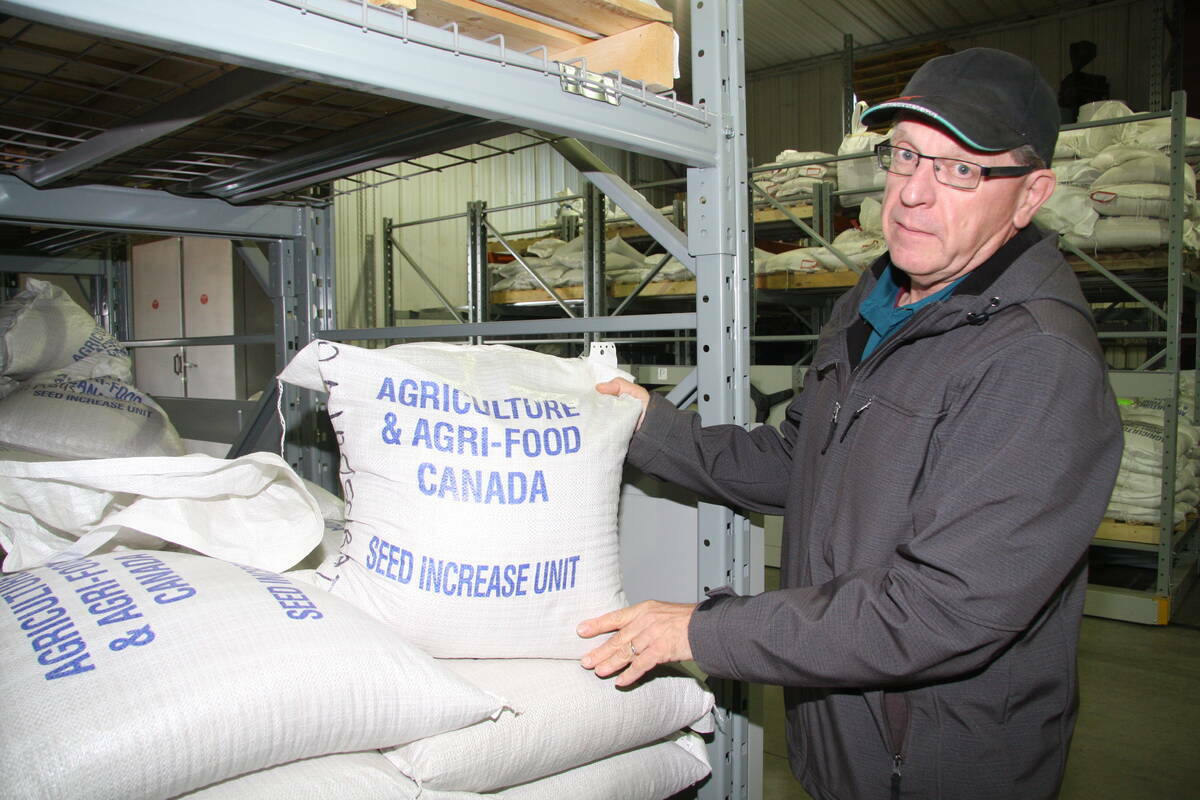
Federal Seed Increase Unit must be preserved
The Seed Increase Unit is an essential element of the Canadian pedigreed seed system. Its neglect or demise would be a serious blow to Canadian agriculture.
Canada also grows more durum than the United States, and American mills are significant buyers of high-quality Canadian product.
While the U.S. grows a relatively small acreage of green lentils, we are large producers of both green and red lentils, along with many specialty varieties.
More cropping choices are available than ever before. These aren’t necessarily crops you haven’t heard about. Moreso, they’re niche options available within existing crop categories.
Here’s a chickpea example.
Within the kabuli chickpea class, numerous options exist. As Ken McDougall of McDougall Acres Grainex near Moose Jaw explains, growers have a choice between smaller calibre chickpeas such as CDC Pearl and large calibre varieties like CDC Pasqua.
CDC Leader still dominates production, but the newer varieties provide different options.
Pearl matures earlier and is less likely to run into quality issues. However, it sells for fewer cents per pound.
CDC Pasqua produces much larger seed and sells for a higher price, but it requires a much longer growing season and is therefore more likely to have quality issues.
There is also an entirely different class of chickpeas — desi — which has quite different uses.
Years ago, desi chickpeas were the dominant type in Saskatchewan. Acreage is relatively small now, but this option still appeals to some growers.
Everyone knows about flax, but yellow flax is a niche market that can sometimes offer pricing advantages. It’s typically grown for the food industry and is touted for its high omega 3 content.
Everyone knows about yellow and green peas, but many specialty pea varieties are sold into various markets.
Maple peas are sold mainly to China to be consumed as a sprouted product, but different buyers prefer different varieties of maple peas and contracts are typically variety specific.
The three types of mustard — yellow, brown and oriental — each have very specific markets and can differ dramatically in price.
Yellow goes mainly to the U.S. to be turned into hotdog mustard. Brown goes mainly to Europe for the production of Dijon mustard with oriental going to Asian nations for use in food products such as wasabi.
Even within each class of mustard, buyers sometimes want a specific variety. Saskatchewan and Alberta are world leaders in the production and sale of condiment mustard.
Saskatchewan is also the world’s largest exporter of canaryseed. Production last year outstripped demand and prices are disappointing, but at some point, it will rebound.
Triticale and fall rye sometimes offer good opportunities. For a time, hybrid fall rye generated a lot of interest, but returns have not matched expectations.
You don’t hear much about borage and safflower anymore, but those crops used to have a foothold here.
Camelina could have an exciting future, particularly winter camelina, especially since the breeding program has been taken over by Bayer Crop Science. Bayer sees the crop as a fit for the production of sustainable biofuel.
While everyone has to figure out what works for their farm from an agronomic and economic point of view, it’s great to have options beyond just canola, wheat and barley. Even within these crops, specialty varieties exist.

Source: producer.com