
Drought, frost provide lift for U.S. hard red wheat price
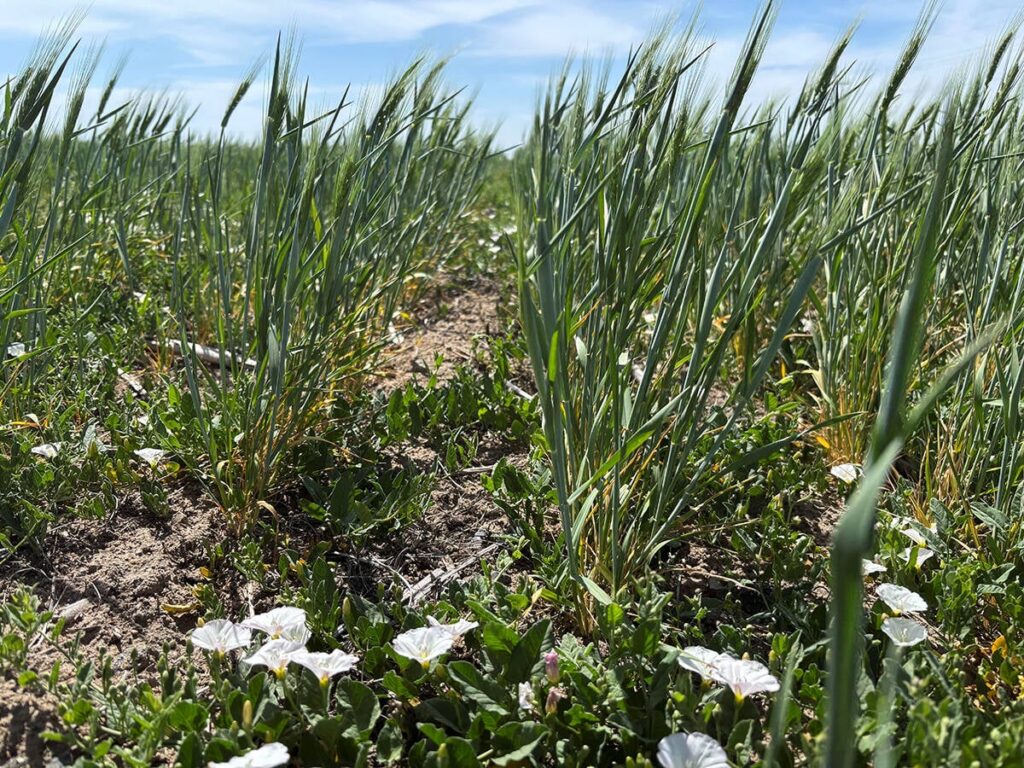
The American hard red winter wheat crop is in a bad state, helping to lift wheat futures.
The other global crop weather issue to keep an eye on is the forecast for a below-normal Indian monsoon, but it will be a few months yet before we see if that holds true.
There is no wait-and-see attitude in western Kansas, Nebraska and Colorado. Farmers there are deeply disappointed in the weather.
Read Also
The Western Producer Livestock Report – May 7, 2026
Western Producer Livestock Report for May 7, 2026. See U.S. and Canadian hog prices, Canadian bison and lamb market data and sales insight.
The crop stress from persistent dry weather is compounded by wild temperature swings, from excessive spring heat to hard frosts April 17-19.
The U.S. Department of Agriculture’s weekly crop condition report April 27 showed the total winter wheat crop, hard and soft, significantly worse than last year at this time.
Almost the whole reason for the poor average rating is the terrible condition of the hard crop, centred in Kansas, Nebraska, Oklahoma, Texas and Colorado.
Kansas is the biggest producer, and its rating was 41 per cent poor to very poor, 36 per cent fair and only 23 per cent good to excellent. The other four winter wheat states are even worse than that.
Last year at the same time, Kansas was 17 per cent poor to very poor, 36 per cent fair and 47 per cent good to excellent.
The crop is also much more advanced than usual, with Kansas wheat at 43 per cent headed versus 11 per cent on average for late April.
Farmers in the region will likely soon make a decision on whether to keep poor stands or rip them up to seed a spring crop.
The hard red winter crop situation is similar to 2022 and 2023, when poor production helped keep hard red winter and spring wheat futures high, mostly above US$8 per bushel.
Indeed, early in 2022, the price soared even higher as drought devastated the 2021 spring wheat crops in Canada and the United States, leading to tight end-of-crop-year supply.
Compounding the situation was the upset caused by Russia’s February 2022 invasion of Ukraine.
This year, Kansas hard red winter wheat futures have rallied 21 per cent from early March to the end of April. Minneapolis spring wheat over the same period rallied 14 per cent.
How much more they can rise will depend on the state of other crops.
U.S. soft winter wheat is OK.
Europe’s crop monitor lifted its soft wheat yield projection in April, but it was still four per cent smaller than last year
Current forecasts for Russia’s wheat crop are around 90 million tonnes, similar to last year, but a recent cold snap delayed spring planting and might have harmed some winter wheat.
The strong wheat prices of 2021-23 were helped by concurrent strong corn prices spurred by tight American corn stocks and the beginning of strong corn sales to China.
No big price bump seen yet for corn
Today, corn has not seen a major spring rally. High fertilizer prices might lead to fewer U.S. corn acres, but that has not shown up yet in pricing.
The U.S. Midwest, where most American corn is grown, has good moisture, as does North Dakota.
Corn seeding is running ahead of the normal pace.
Until recently, Brazil’s second, or safrinha, corn crop was doing well, and the country’s crop forecaster lifted its total corn production by 1.3 million tonnes to 139.5 million.
However, the tail end of the rainy season is turning dry in southern regions, and we are now moving into the dry season. If it remains dry, yields could take a hit and estimates might have to adjust downward.
Harvest of the safrinha crop starts in June.
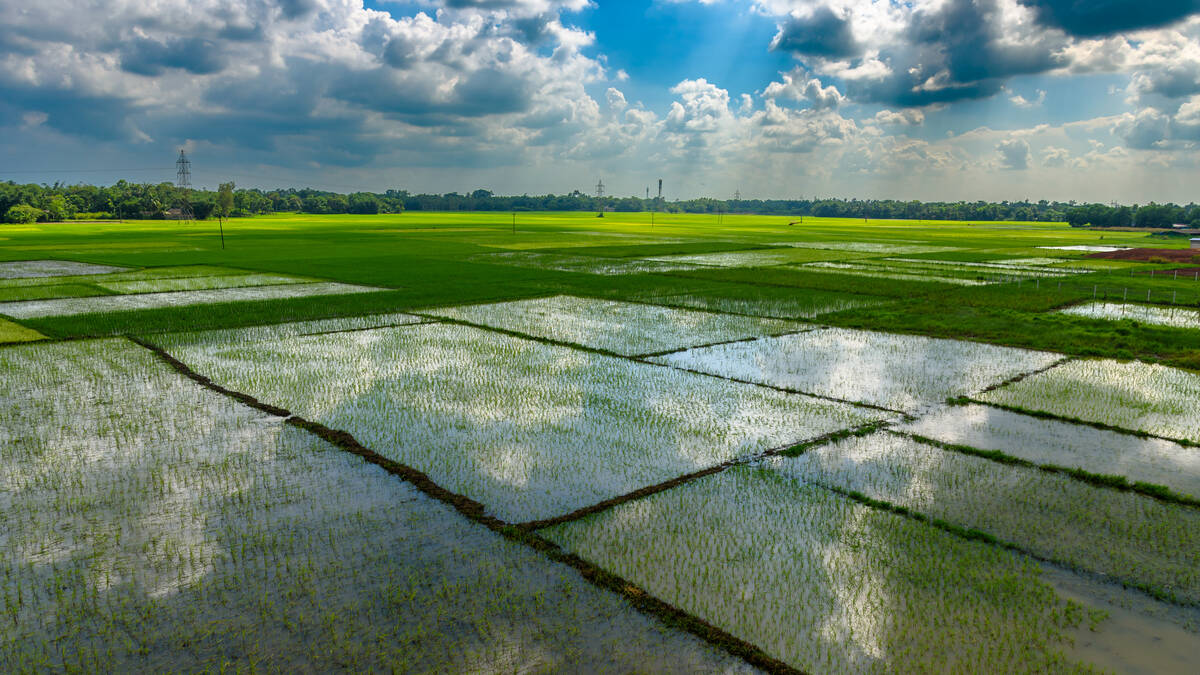
Turning to India, the monsoon that begins in June makes or breaks its summer and winter crops.
The India Meteorological Department forecasts a disappointing monsoon with only 92 per cent of normal rainfall across the nation.
This would be a reversal of the last two monsoons, which delivered 108 per cent of the long-term average rain total.
The El Nino developing in the Pacific Ocean is the main driver of the expectation for below normal accumulation.
The forecast is a broad assessment for the whole country, and the crop impact can vary by rainfall timing and location.
For example, the 2022 monsoon nationally was 106 per cent of the average, but in eastern and northeastern parts, rainfall was only 82 per cent of average. The agriculturally important northwest was at 101 per cent, but a brutal heat wave in March scorched crops.
That year, wheat yield was the lowest in the 2019-25 period, and the country banned exports.
This year, the monsoon forecast for August and September shows the most rain in the east and strong deficits in the agriculturally important west and northwest.
The summer pigeon pea crop could be hurt, creating a potential for imports of Canadian green lentils.

Source: producer.com