
Farming comes with plenty of decisions that can create regret
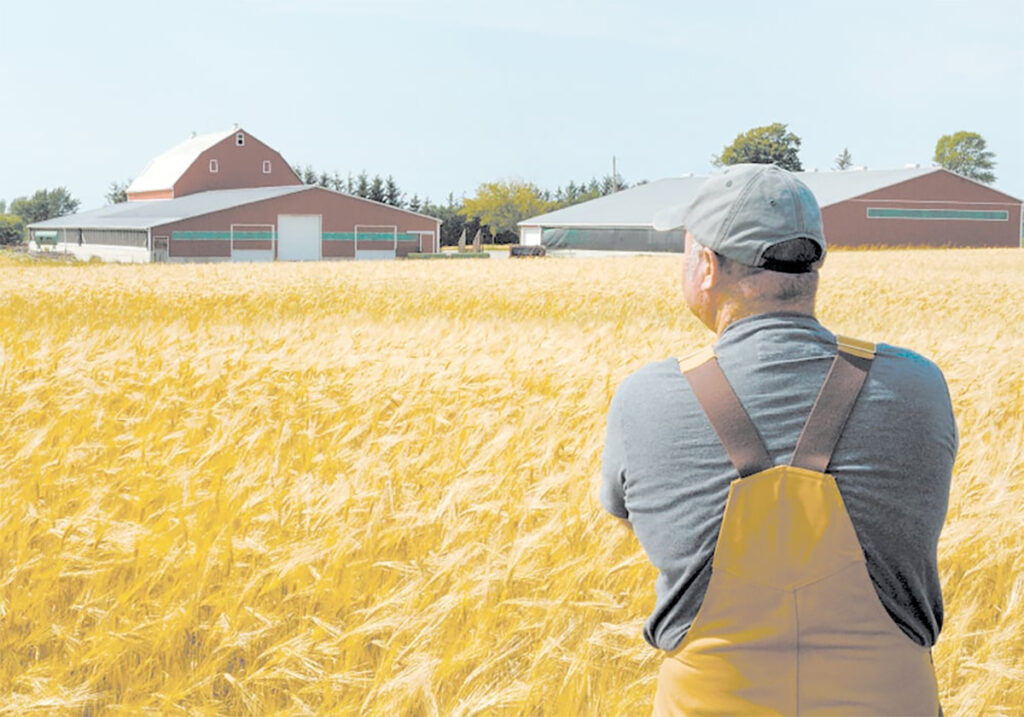
Even if you’re a farmer who makes good choices most of the time, it’s hard not to look back with regret on at least a few management decisions.
This isn’t surprising, given the volatile and unpredictable nature of agriculture.
Most who have been farming for a considerable amount of time regret not being more aggressive with land purchases.
Read Also

Agriculture trade with U.S. still solid despite recent tariff threats
U.S. president Donald Trump’s incessant on-again, off-again tariff announcements had Canada’s agriculture sector on edge for much of 2025.
Twenty years ago, 10 years ago or even a few years ago, land was considered expensive. “It’ll never pay for itself,” was a common refrain.
People remembered the mid-1980s and early 1990s, when land values steadily declined and lending institution foreclosures were rampant. Back then, who would have predicted the steady rise in prices, particularly the massive increases over the past two decades?
Many analysts are now wondering if price increases are slowing or even stalling. Some credible sources believe lower quality farmland could actually see values soften.
Cropping margins do not look very attractive for the year ahead, but most farm balance sheets remain strong.
While land purchase is a long-term decision, many other decisions and non-decisions can trigger regret on a yearly basis.
The timing of fertilizer purchases can make a significant difference in a farm’s bottom line.
Nitrogen prices typically see a substantial price drop after each seeding season. Sometimes, the low price is in the summer and sometimes in the fall or early winter. And then some years, there isn’t much of a drop at all.
Producers waiting for cheaper urea fertilizer in the latter half of 2025 were largely disappointed.
Urea was less than $800 a tonne for a time, but a lot of purchases didn’t happen until prices had climbed back into the $850 range. With prices now typically higher than $1,150 a tonne, anyone still needing more nitrogen is paying a hefty premium.
War in the Middle East has added pressure to a nitrogen market that was already going higher. Availability for some products may now be in doubt.
Gasoline and diesel prices spiked as the war began, and so did canola prices.
As of March 10, crude oil prices are easing and canola futures are headed back down. The market seems to feel more confident that the war disruptions will be relatively short-lived.
With the benefit of hindsight, it will be interesting this fall to see if the short-term bump in canola prices should have been used as a pricing opportunity. A price much higher than $15 a bushel was available in many regions. How will that price look when the crop is coming off in September?
The contracting fiasco of 2021 has increased forward contracting hesitancy.
Many producers contracted more than they were able to produce in that drought year, and with the massive price increase that occurred, they had to buy out of contracts at great expense. They don’t want to feel that sort of regret again.
On the other hand, it’s important to keep risks in perspective.
Last spring, new crop price contracts for large green lentils were available at more than 45 cents a pound. While highly profitable, it was far below market prices at the time. The contracts came with an Act of God clause in case of crop failure.
Large green lentils were overproduced last year, resulting in a market price that has been sitting in the 26 cent a pound range. A 10 bu. per acre contract at 46 cents generated an additional $120 an acre.
Not taking an action is still a decision and can still result in regrets.

Source: producer.com