
Livestock producers urged to use AgriStability
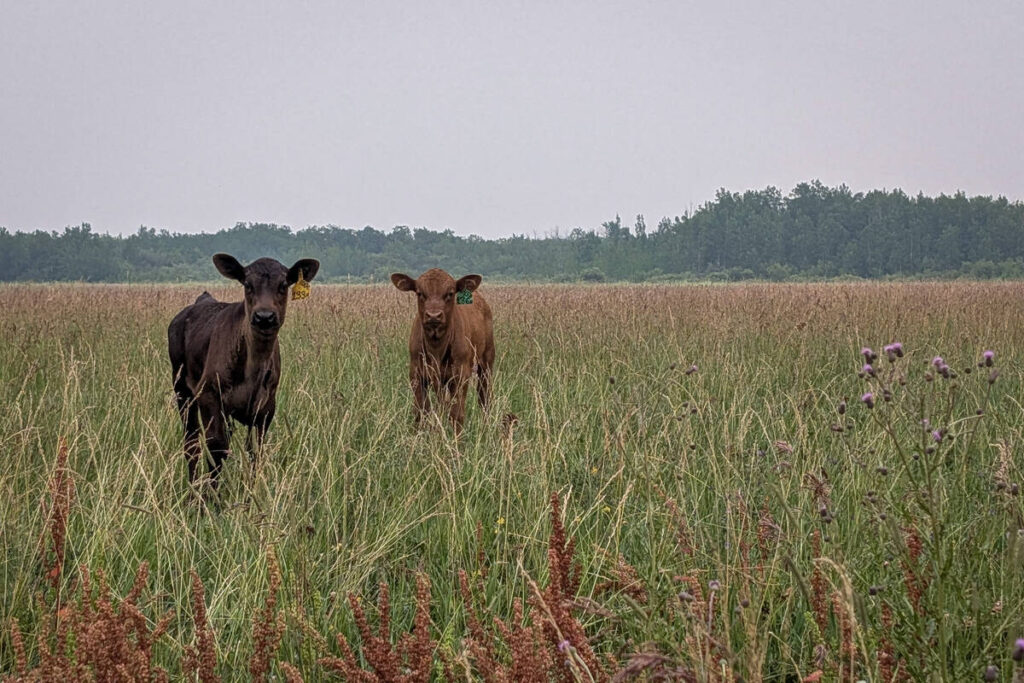
REGINA — Saskatchewan agriculture minister David Marit recently reminded livestock producers of AgriStability improvements as the 2026 program year enrolment deadline comes closer.
The country’s agriculture ministers agreed to changes last year, hoping to encourage more participation from the livestock sector. Cattle organizations said they were happy to see some of the changes for which they had asked.
These include making rental costs for grazing an allowable expense and adjusting feed inventory pricing.
Read Also
Delay in fertilizer purchases could prove costly
A lot of farmers delayed their fertilizer purchases last year waiting for commodity prices to rise and to free up bin space and that that is going to cost them.
Why it Matters: Livestock producer participation in AgriStability is low, yet governments expect producers to protect themselves through the available business risk management programs. More improvements could be coming as a review of the current programs gets underway.
Saskatchewan Cattle Association vice-chair Joleen Shea said the enhancements could help producers more effectively manage their risks.
“Strong risk management programs are essential for Saskatchewan cattle producers to remain competitive and resilient,” she said.
Chad MacPherson, general manager of the Saskatchewan Stock Growers Association, said the organization had been lobbying for these changes for some time to make the program more useful.
“(The changes) just makes the program overall more reflective of all the costs that producers have on their operations,” he said.
Saskatchewan Association of Rural Municipalities president Bill Huber added this should give producers some comfort heading into the spring.
Changing the feed inventory price will help producers better account for their costs.
Saskatchewan Crop Insurance Corp. administers AgriStability in the province. President Jeff Morrow used an example to compare the existing feed inventory pricing with the change.
In the current program, a producer with 100 bales worth $100 each at the start of the year has $10,000 in inventory. If it’s dry and hay prices go up, the producer might have 50 bales worth $200 each at the end of the year, resulting in no loss of inventory.
“What this change will do is use that ending year inventory price to value the hay,” he said.
“At the start of the year, 100 bales times $200, using the same example, (is) $20,000 worth of inventory. Only 50 bales at the end of the year at $200, only $10,000, so there’s a $10,000 drop in inventory valuation, which helps a producer in terms of how a benefit would be driven from the program.”
The pasture feed expense change attributes a feed value to the cost of rent, Morrow said. The expense must reflect a reasonable feed volume for the animals grazed, and the producer will have to prove the transaction is to access feed and not for crop or forage production.
Rae Groeneveld, manager of policy, program development and readiness for AgriStability, said about 15 per cent of customers are true cow-calf operations. Others are mixed operations. There are 4,000 to 4,500 livestock producers in the program.
Marit said the government listened to cattle producers and advocated for a few years before other provinces and Ottawa agreed to the enhancements.
He said with the April 30 enrolment deadline coming up, he wants producers to be aware of the changes because they offer more meaningful support.
Dry conditions persist in parts of the province, although Marit said he was more concerned before a recent 10 to 12 centimetres of heavy wet snow fell in the southwest.
“It’s not the end of it. I know it’s not,” he said.
“It’s going to help the pastures green up but also give a start to the crop. Hopefully we’ll see some significant moisture through the summer, (and) we’ll see a big crop again.”
Last year Saskatchewan produced a record 41.9 million tonnes, even though it was dry, thanks largely to better varieties and farming practices.

Source: producer.com