
Oilseed prices fluctuate on war news, Trump decisions
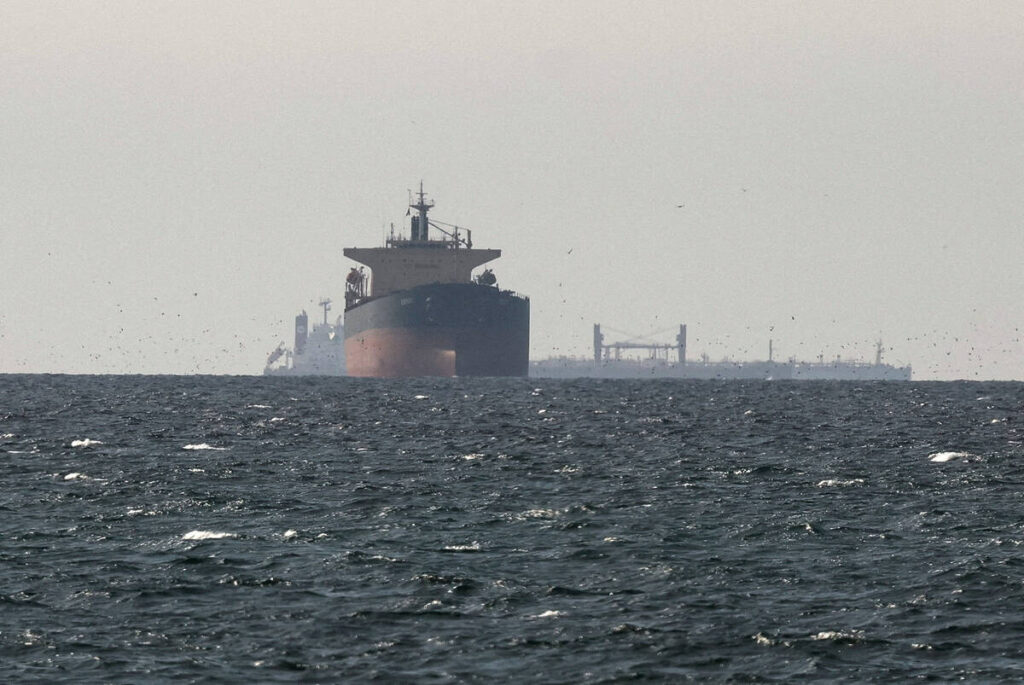
Market movements as we approach spring are dominated by the war in the Middle East and its impacts on energy and fertilizer trade as well as its potential to upset wider international relations.
How long will the hostilities continue? How long will marine traffic be restricted in the critical Strait of Hormuz? Will China’s reluctance to join the United States in trying to keep the strait open cause a new rift in U.S.-Chinese relations?
With global events dominating, it’s hard for regional weather issues, such as growing worries in some of the U.S. hard red winter wheat crop, to gain traction.
Read Also
Delay in fertilizer purchases could prove costly
A lot of farmers delayed their fertilizer purchases last year waiting for commodity prices to rise and to free up bin space and that that is going to cost them.
I’ll talk about winter wheat at the end of the column, but first let’s look at the last few weeks of the oilseed market to see how this turmoil has affected prices.
In early March, soybeans, soy oil and canola saw their price rise, supported by soaring petroleum prices as the war cut off access to a significant part of the world’s oil supply.
Soy oil was also supported by expectations that new U.S. rules governing the American biofuel market would increase the amount of soy oil going into fuel, rising to 17.3 billion pounds in the coming crop year, an increase of 17 percent over the current year.
Strong soy oil helped support canola, which was also buoyed by stronger exports now that China is back buying.
On March 12-13, developments in the China-Brazil soybean trade pushed soy futures to a two-year high and canola to the highest level since early summer 2025.
China changed its phytosanitary requirement for Brazilian soybeans, causing some exporters in Brazil to temporarily halt buying the record large crop while they figured out the new regime.
It is not known whether China is truly concerned about foreign matter and pesticide residue in shipments received or whether it wants to slow the breakneck speed of Brazilian exports to China.
Last year around this time, record amounts of soybeans, mostly from Brazil, overwhelmed the system.
China is also supposed to be buying from the U.S. to honour its commitments that cooled last fall’s US.-China trade war.
As rumours swirled about this, Chicago soybean futures edged higher in hopes that restrictions on Brazilian beans might mean more American soy going to China.
More on this topic can be found at retired USDA economist Fred Gale’s blog: dim sums.blogspot.com.
So things looked not bad for oilseeds until U.S. president Donald Trump on the weekend of March 14-15 started complaining that others, notably NATO and China, were not sending naval resources to help the U.S. reopen the Strait of Hormuz.
He added that he should stay in the U.S. to continue to oversee the war and so would not be able to visit China and its president, Xi Jinping, at the end of this month.
Until that point, lower level trade negotiators from the two countries were reported to be making progress in advance of the leader’s summit, but Trump’s social media posts raised uncertainty.
When markets resumed trade on March 16, the soybean market got the jitters and plunged limit down. Canola also fell.
Trump said his request to delay the meeting was only about his need to attend to the crisis and was not a tactic to pressure China to send its navy to the Persian Gulf.
On March 17, canola futures regained most of the Monday losses, but soybeans did not.
Who knows what will happen next?
Down on the farm, diesel prices have jumped higher because of the war-caused crude oil rally.
Fertilizer prices are much higher because Persian Gulf supplies can’t get out as a result of the Strait of Hormuz issue and because liquid natural gas ships are also blocked, making natural gas much more expensive for nitrogen fertilizer makers around the world.
For anyone who has not already locked in prices, the burden of expensive inputs is now worse, and that could affect seeding plans.
However, by this point in the year, most farmers are already committed to a plan, and so radical changes to seeded acreages in North America are unlikely.
Now let’s turn to American hard red winter wheat in the southern Plains.
There is crazy weather in the region, with frost March 15-16 potentially damaging already drought-stressed wheat in Oklahoma and Texas.
In a radical shift, temperature highs in the region were forecast to soar to the low 30s C March 19-22 with no rain in sight, drying out and further stressing wheat. That is about 15 C degrees hotter than normal.
Until now, Kansas, the biggest winter wheat state, has not been in drought, and its crops are generally good, but its neighbours, Oklahoma, Nebraska and Texas, are in moderate to severe drought, and the heat won’t help.

Source: producer.com