
Producers assessing risk during delayed growing season
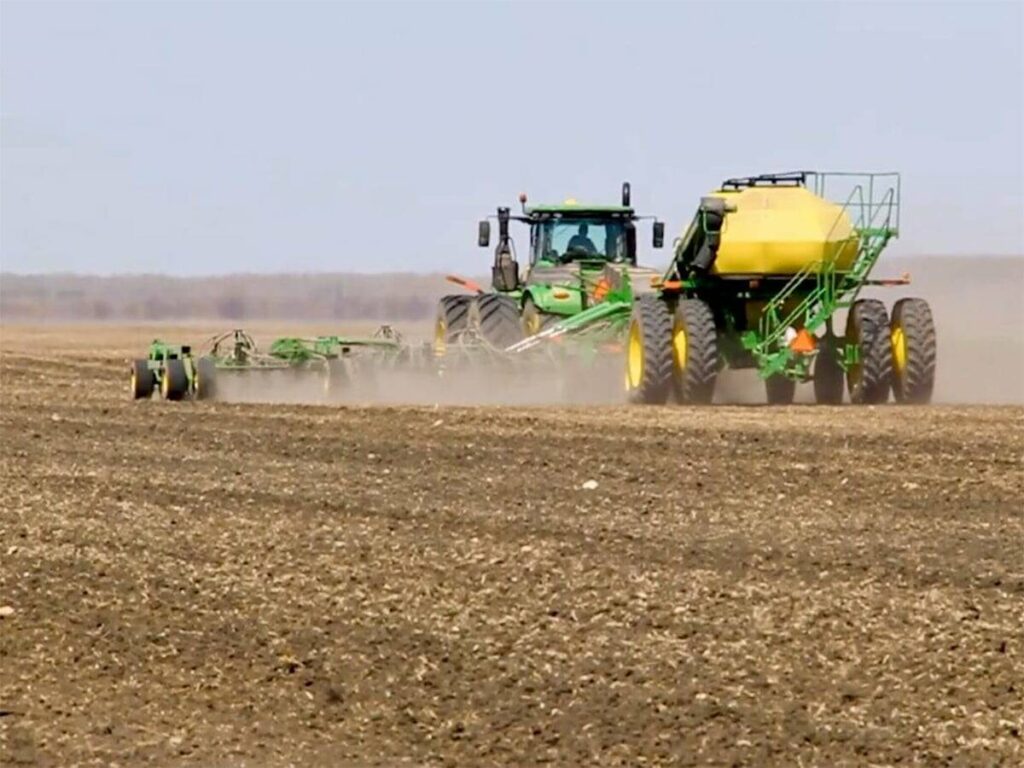
Seeding operations continue to be hampered by the recent cold, wet weather as producers navigate their seeding decisions during a delayed spring.
To that end, producers are looking for more clarity on seeding deadlines as they assess risk during the setback.
“This has been a challenging spring and having a clear understanding of how recommended seeding dates affect risk and coverage is critical,” said Agricultural Producers Association of Saskatchewan (APAS) President Bill Prybylski in a recent statement.
According to the release, APAS is working with the Ministry of Agriculture and the Saskatchewan Crop Insurance Corporation (SCIC) to provide more information to assist producers with their seeding decisions.
APAS said Saskatchewan producers are seeking a better understanding of how recommended seeding dates and the final seeding deadline relate to crop insurance coverage, particularly as cold and wet conditions have significantly slowed seeding progress.
Spring seeding is well behind normal according to APAS. As of May 18, seeding in the province was 29 percent complete, compared to 72 percent at the same time last year and a 10-year average of 52 percent.
Read Also

As seeding dates approach, progress remains limited in some regions, including the northeast and northwest.
SCIC confirms crops remain insurable up to the final seeding deadline of June 20. Any losses not related to the seeding date, like drought disease, wind, and hail, are all insured.
Seeding beyond recommended dates identified in the SCIC Seeding Date Tool carries increased risk. Producers may have reduced claims if their losses are abnormal compared to other farmers in their area.
It’s recommended producers contact their local SCIC Customer Service Office to discuss how timing may affect their individual coverage and risk if they plan to seed beyond recommended seeding date.
“We welcome SCIC’s assurances that area-wide delays will not unduly penalize farmers. Producers need this kind of clear and timely information so they can make sound seeding and business decisions,” said Prybylski…“We encourage producers to connect directly with SCIC to ensure they have the information they need,” he said.
He noted broader outreach include additional channels, such as social media and other accessible formats will help ensure communication from the SCIC better reach busy producers make informed decisions during the growing season.
Source: producer.com