
Saskatchewan agriculture spending to rise next fiscal year
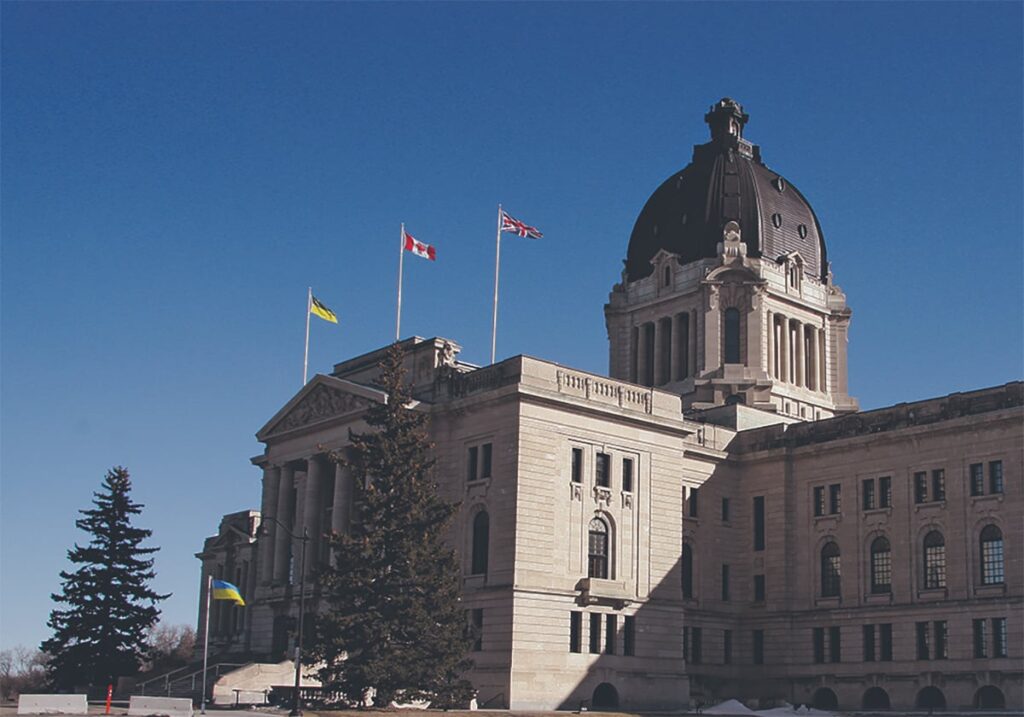
REGINA — Saskatchewan’s agricultural spending is going up next year on the expectation of higher AgriStability claims.
The 2026-27 provincial budget announced March 18 includes an estimated $116.3 million for AgriStability, up from $53.1 million last year.
It also allocates $46.9 million for AgriInvest, up from $42 million in the current fiscal year.
Read Also
Farming comes with plenty of decisions that can create regret
Even if you’re a farmer who makes good choices most of the time, it’s hard not to look back with regret on at least a few management decisions.
The federal government provides those estimates.
Business risk management programs account for the lion’s share of the agriculture ministry’s budget at $524.3 million, compared to $483.8 million in 2025-26.
The province’s share of crop insurance premiums is set at $269.2 million, down from $296 million.
Both programs combined cost more than $76 million to deliver.
Overall, the ministry is estimating spending of $660.8 million. Last year, it estimated costs of $623.1 million.
Why it Matters: Provinces have been tabling deficit budgets after a year of uncertainty and volatile commodity prices, but Saskatchewan finance minister Jim Reiter said the government chose to protect people and the economy.
The finance ministry released third quarter results for 2025-26 indicating total agriculture spending should be down about $280 million from budget.
This is mainly due to lower-than-budgeted crop insurance indemnities, thanks to improved crop yield and fewer claims, partly offset by higher AgriStability benefits paid out.
In addition to ministry estimates, the budget groups together expenses by theme. For agriculture, this total is $1.7 billion, or 7.6 per cent, of all spending projected for the next fiscal year.
This theme includes the ministry estimates, as well as the Saskatchewan Agricultural Stabilization Fund, Prairie Agricultural Machinery Institute and Prairie Diagnostic Services. Theme expenses are up $90 million from last year, primarily due to AgriStability.
The budget document noted that crop insurance indemnities have been higher recently, which has reduced reserves.
“While the 2025-26 third-quarter forecast marked an important shift — showing lower-than-expected indemnity expenses compared to earlier projections —2026-27 is expected to be a year in which premium revenue exceeds indemnities, allowing the fund to rebuild reserves,” it said.
The existing reserve is about $1.3 billion.
The 2026-27 provincial budget also doubles the tax credit available to volunteer firefighters, search and rescue personnel and medical first responders from $3,000 to $6,000.
The provincial budget overall projects spending of $22.2 billion on revenue of $21.4 billion, for a deficit of $819 million.

Source: producer.com