
Spring global crop outlook a mix of good, bad and normal
As western Canadian farmers rush to get their crops seeded after a late, cool start, they are looking at a crop market that has improved since late winter but is uncertain about further price improvement.
A developing wreck in the United States’ hard red winter wheat crop supports the price of that crop, and the market got a further boost following the summit meeting between U.S. president Donald Trump and Chinese president Xi Jinping.
China committed to buy US$17 billion in American agricultural products annually in 2026, 2027 and 2028, over and above its commitment, made last year, to buy 25 million tonnes of American soybeans per year.
That could potentially get China back to its unusually high level of feedgrain imports seen in 2021-23.
We’ll see if they actually follow through on this commitment, but the initial market reaction was mildly positive.
Another factor that might support crop prices is dry weather in central Brazil stressing the second corn crop.
Read Also

As of this writing May 19, forecasts put total Brazilian corn production at 134 to 140 million tonnes, but some central regions had not seen rain in 40 days and other areas suffered frost damage.
Analysts suggested the regional drought could knock production down by four to six million tonnes. That would not be enough to trigger a large rally, but it would support prices.
In wheat, the U.S. Department of Agriculture’s first forecast of 2026 issued May 12 pegged production at 42.49 million tonnes on reduced planted area and lower yield.
That would be the smallest American wheat production since 1972.
The winter wheat crop was pegged at 28.6 million tonnes, down 25 per cent from last year. Of that, the hard red winter wheat crop was estimated at only 14 million tonnes, down 36 per cent from last year.
The May 17 weekly USDA crop condition report said the wheat crop in Kansas, the biggest winter wheat state, was a dismal 58 per cent poor to very poor.
Nebraska was 84 per cent poor to very poor, Texas 65 percent and Oklahoma 48 percent.
However, partly offsetting the bad news was the good state of American spring wheat, which was being seeded faster than normal and generally into good moisture in North Dakota.
The same could not be said for spring wheat in Western Canada. Cool weather, and in some places rain and snow on the Victoria Day long weekend, had seeding of all crops well behind the normal pace.
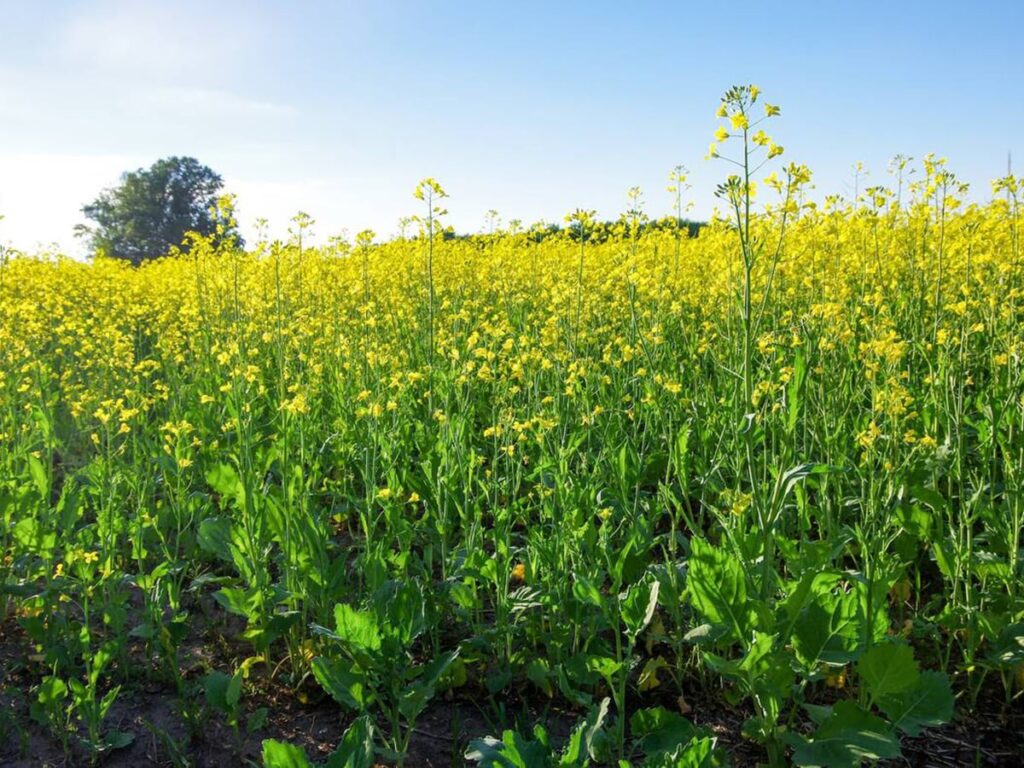
Let’s hope things improve from here on, but late seeding raises the potential for canola flowering in the hottest days of July and also the potential for damage from frost before maturity.
Russia’s spring crop area has also endured a cold period, and spring wheat seeding there is also behind the normal pace.
However, the market is likely paying more attention to the good seeding weather in the American Midwest, where corn and soybeans are being planted at a pace ahead of the five-year average.
There is good moisture in much of the Midwest, better than last year at this time, which should ensure a good start to the crop.
However, it is dry in the western most part of the corn region.
Iowa, the biggest corn producing state, is a little dry in the west.
The number three producer, Nebraska, which produced about 12 per cent of the crop last year, is experiencing a more severe drought, but close to 60 per cent of corn acres there are irrigated.
The latest assessment from European crop monitoring service MARS is favourable, even though it shaved down from last month its forecast for rapeseed and soft wheat yields in the bloc due to various weather challenges.
It now sees rapeseed and soft wheat yields down five per cent from last year when yields were above average.
The yield forecast for wheat and rapeseed is now at about the five-year average, and the outlook for durum yields is five per cent ahead of the average.
Ukraine’s farmers union said its rapeseed crop would likely be 3.3 to 3.5 million tonnes, the same size or perhaps slightly larger than last year. Last year’s crop was disappointing.
This assessment is much smaller than the current USDA forecast for Ukraine of 4.2 million tonnes.
The conflict in Iran and the Persian Gulf and the resulting upset in global oil and fertilizer trade have several effects on global agriculture.
High oil, fuel and fertilizer costs raise farmers’ costs, but they also support biofuel demand, helping to support vegetable oil prices.
Palm oil producers Indonesia and Malaysia are increasing their use of palm biofuel. Also, the coming El Nino is expected to reduce rainfall in that region, which could lead to lower production, likely in 2027.
Source: producer.com