
Succession planning key to determine, ‘who gets the farm?’
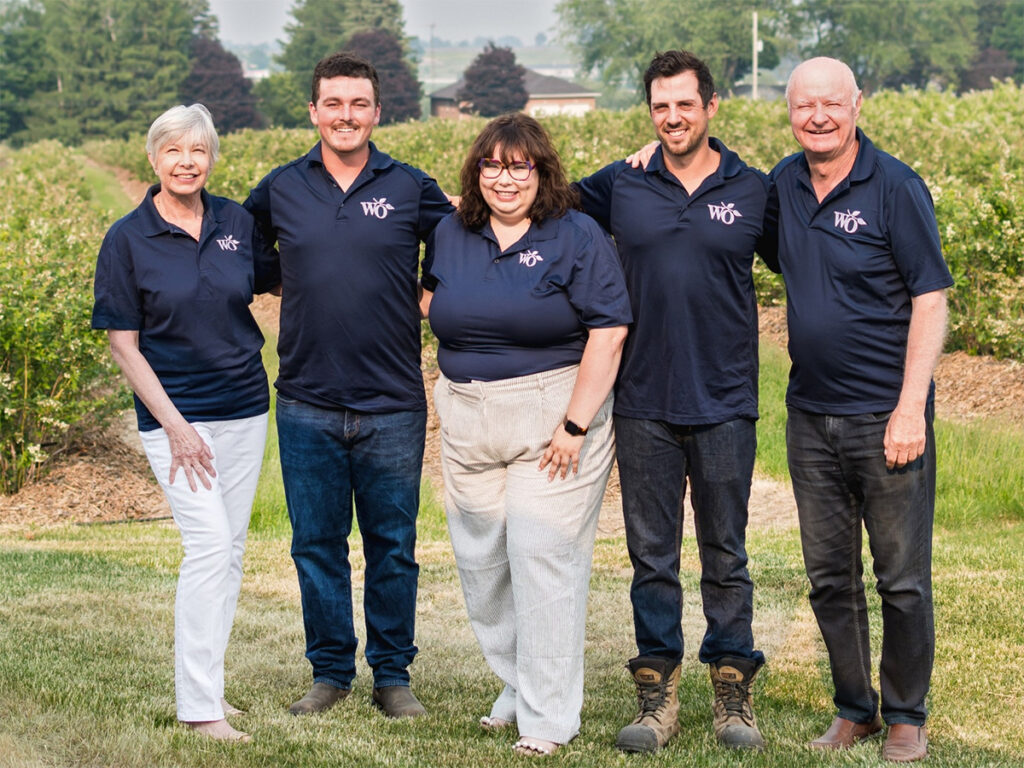
After navigating a 13-year farm succession, Charles Stevens admits “it was harder to get out of farming than it was to get in.”
But for Charles and his wife Judi, the entire experience was worth it – especially because their succession plan didn’t follow the traditional path of passing the farm on to family.
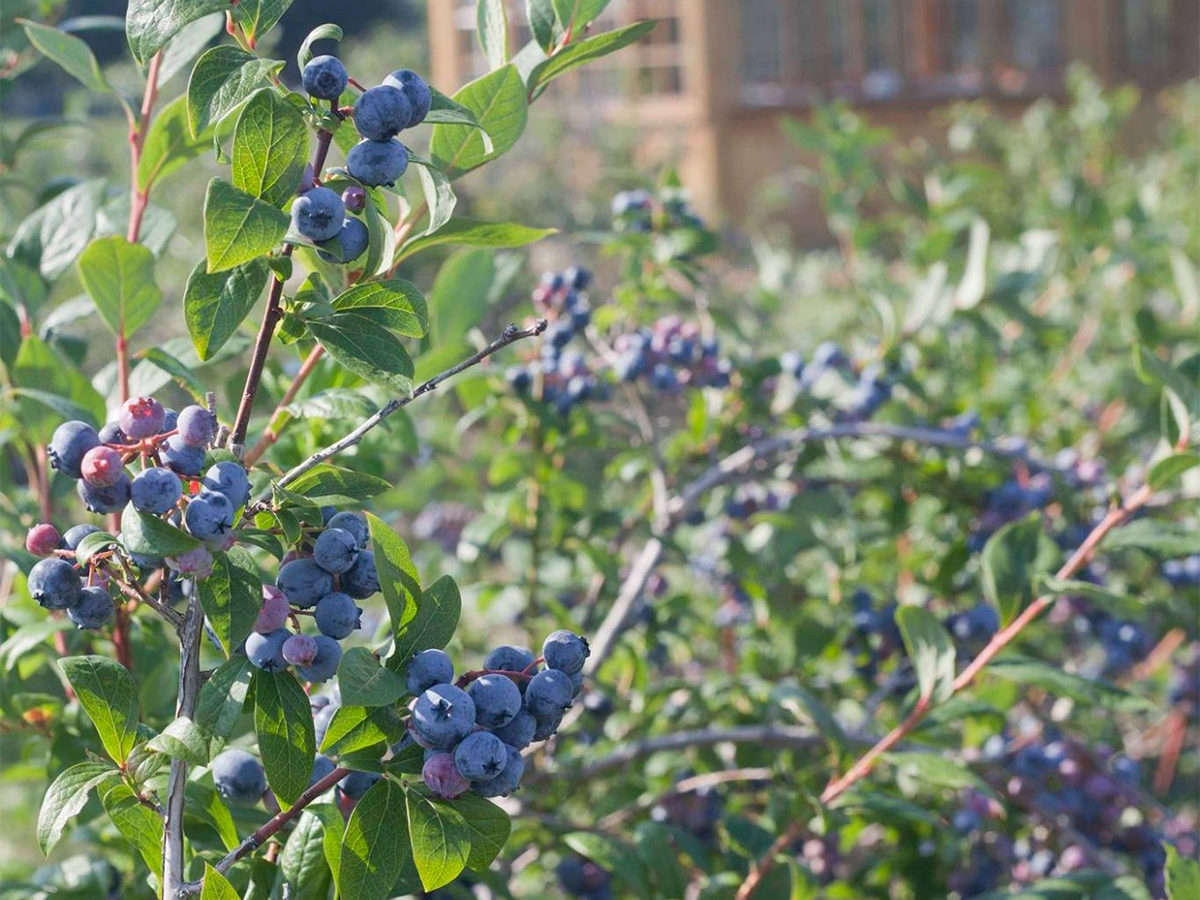
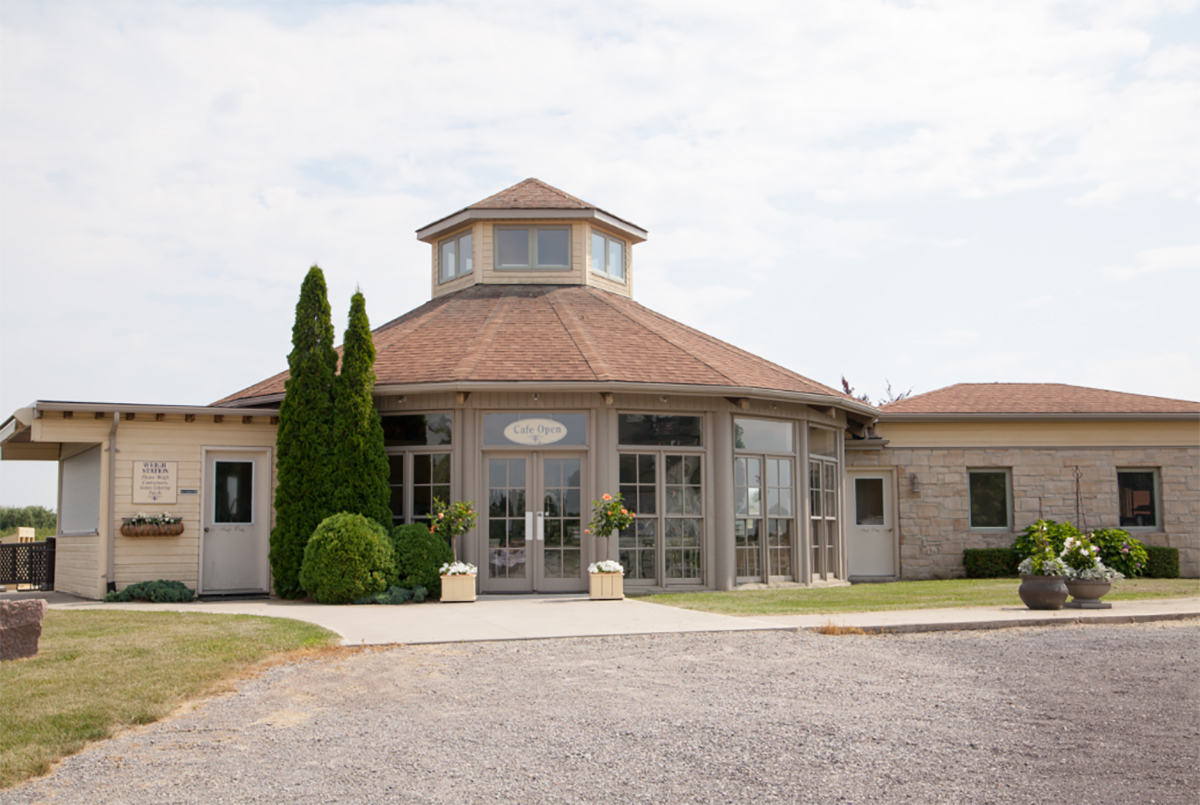
Established in 1976, Wilmot Orchards spans acres of apple orchards and blueberry bushes. Over the years, the couple have grown the Newcastle, Ont., farm to become a destination that draws 25,000 visitors each year during the short, 18-day blueberry season. Visitors enjoy picking their own blueberries, sampling blueberry-baked desserts and ice cream at the on-farm café. The Stevenses also host off-season dining events and market their apples as fresh fruit to grocery store chains and for export.
When the time came to begin discussions about retirement, Stevens was adamant about passing on the farm to keep it in production. He didn’t want to sell, but at the time the Stevens’s only child, Courtney, wasn’t interested in taking over the operation.
Read Also

So, instead of looking within the family, Stevens began preparing the farm for someone new.
He expanded the business to make it viable for future owners, knowing it would require more than one person to operate. His goal was to build something sustainable for whoever came along.
One of his criteria for the next farm owner was simple: they needed to have passion. “Farmers need passion to succeed, and my goal was to capture passion,” he says.
Finding the right fit beyond family
When two eager students, both named Ian and both with no farming background, expressed an interest in learning more about apple and blueberry production, Stevens took notice.
Ian Parker had already completed a double major in physics and music before realizing that agriculture was a better fit for him. He called Stevens and secured a job on the farm, with an agreement that if he liked what he was doing, he could work his way into taking over the business.
Stevens admits he didn’t really have a job for Parker when he called back in 2012, “but opportunities only come around once, and it turned out to be a perfect fit.”
Ian Martin grew up across the road from Wilmot Orchards and began working at the farm in the blueberry fields when he was 15. Like Parker, he started out in university (studying architecture for a year) before he realized he wasn’t meant for a desk job. He enrolled in a horticulture, food and farming program at Durham College and after graduating, returned to the farm full-time in 2017.
Over the years, Stevens watched both Martin and Parker closely. It soon became clear they were the right successors to carry on Wilmot Orchards. He recalls the moment he knew Parker had the passion he was seeking when he witnessed him, after a long day of spraying the orchards, pat the hood of the tractor to “say goodnight.”
“Even if I had a family of children to pass the farm to, I would require them to have passion to take over the farm,” says Stevens.
“In some ways, this process of finding the right people was easier than expecting family to take over.”
Working with Parker and a team of advisors, the Stevenses started their succession process. It wasn’t long before Stevens turned to Courtney and asked if she wanted to come back to the farm to take an ownership in and manage the marketing for the business. She said yes.
Soon after, the couple approached Martin, too. He admits he was surprised when the couple asked him to be part of the Wilmot Orchards farm transition.
“I didn’t know what to think, other than I was grateful for the opportunity and the trust the Stevens family had in me and the others to carry on the business,” he says.
An outside-the-box transition
“We built our business by thinking outside of the box, and that’s the same approach we took to farm succession,” says Stevens.
In January 2026, the Stevens family finalized their farm succession. After years of careful planning, difficult conversations and guidance from a team of advisors — including three different lawyers, a farm succession expert and a conflict resolution specialist — the farm is now under new ownership.
The farm is now divided into two companies. Wilmot Orchards Ltd., which is the operating company comprised of common and preferred shares divided between Parker, Martin, Stevens, Judi and Courtney. The land and farm buildings are held by a numbered company owned by Stevens and Judi, with the intention of eventually passing that ownership on to Courtney.
Parker says the succession process wasn’t what he expected at all, calling it an eye-opening experience. “The process was not a simple or direct succession plan,” he says. “I learned that if you don’t speak up and share your opinion, it won’t be heard. Have the difficult conversations, but come prepared for them too.”
For Martin, one of the biggest hurdles was coming together with three new owners who all had very different backgrounds, including two without farm experience.
“Figuring out how to structure the succession was the hardest part,” he says. “Bringing in owners that don’t come from farming backgrounds is very different from how most farms handle succession, but Charles and Judi have put a lot of trust in us to carry the business forward.”
For Courtney, the only direct family successor, the process was especially challenging. She admits it required significant personal work to come to terms with the new ownership structure, redefine her role within the business and learn to work alongside non-family partners.
“The person I was entering into the succession planning process is not the person who signed the ownership papers,” she says. “There’s a different identity as a business owner compared to a farm employee, or even the farmer’s daughter.”
In addition to the new ownership structure, the family also placed the farm land into a trust, preserving the land for at least another century of production. “It’s never been about the money, it’s about producing food for people and finding others who share that passion,” says Stevens, who has transitioned into the role of mentor for the three young owners. He’s committed to working with each of them to ensure they learn to work as a team, trust each other and manage a successful and sustainable farm.
What comes next
Today, Parker leads the farm as the general manager, Martin is crop production manager, and Courtney is the chief creative officer.
Courtney points out that conversations once held around the family dinner table are no longer possible now that ownership extends beyond the family. That shift is one of the main reasons for the structured, scheduled management meetings that are designed to create a dedicated space for discussion.
The full ownership team, who are also company shareholders, come together twice a year for a board of directors meeting.
“My parents still want to be involved, but not always in the day-to-day work,” says Courtney. “This meeting structure helps us all feel heard and seen and supports the future of the farm.” The farm management team, which also extends to select farm employees, meets monthly and is structured to require at least one of the farm founders, Stevens or Judi, to attend.
Stevens continues to support the new management team, sharing his advice and experience when asked. And one key lesson from his own farm ownership experience shaped the transition plan in a lasting way: getting out of farming isn’t easy. With that in mind, the succession includes a clear exit strategy, designed to give the three new owners a smoother path out if they choose.
Looking ahead, everyone at Wilmot Orchards is optimistic. Stevens and Judi are looking forward to a slower pace, and Courtney has new ideas she can’t wait to introduce. Martin and Parker are eager to implement new technologies and innovations and transition the apple orchard through new higher-density plantings.
Stevens admits the succession process was longer than expected and hasn’t been smooth. He even faced some “naysayers” along the way, but he’s happy with the outcome. In fact, they all are.
“It’s pretty amazing to see millions of buds burst in the spring and, with proper management, turn into 100,000 pounds of blueberries and five million pounds of Ontario apples,” says Martin.
“I don’t really think I deserve any of this, but I’m happy and excited to continue to grow in my career as a farmer at Wilmot.”
Source: producer.com