
The secret sauce of sibling run farms

Glacier FarmMedia – Since the 1970s, the trend towards farm consolidation and the introduction of new technologies has given farms a boost. It’s also provided room for more than one sibling to remain on the family farm.
Over the last 50 years, siblings farming in partnerships or corporations has proven to be a thriving business model.
Related story: Sibling issues in farm succession
Read Also
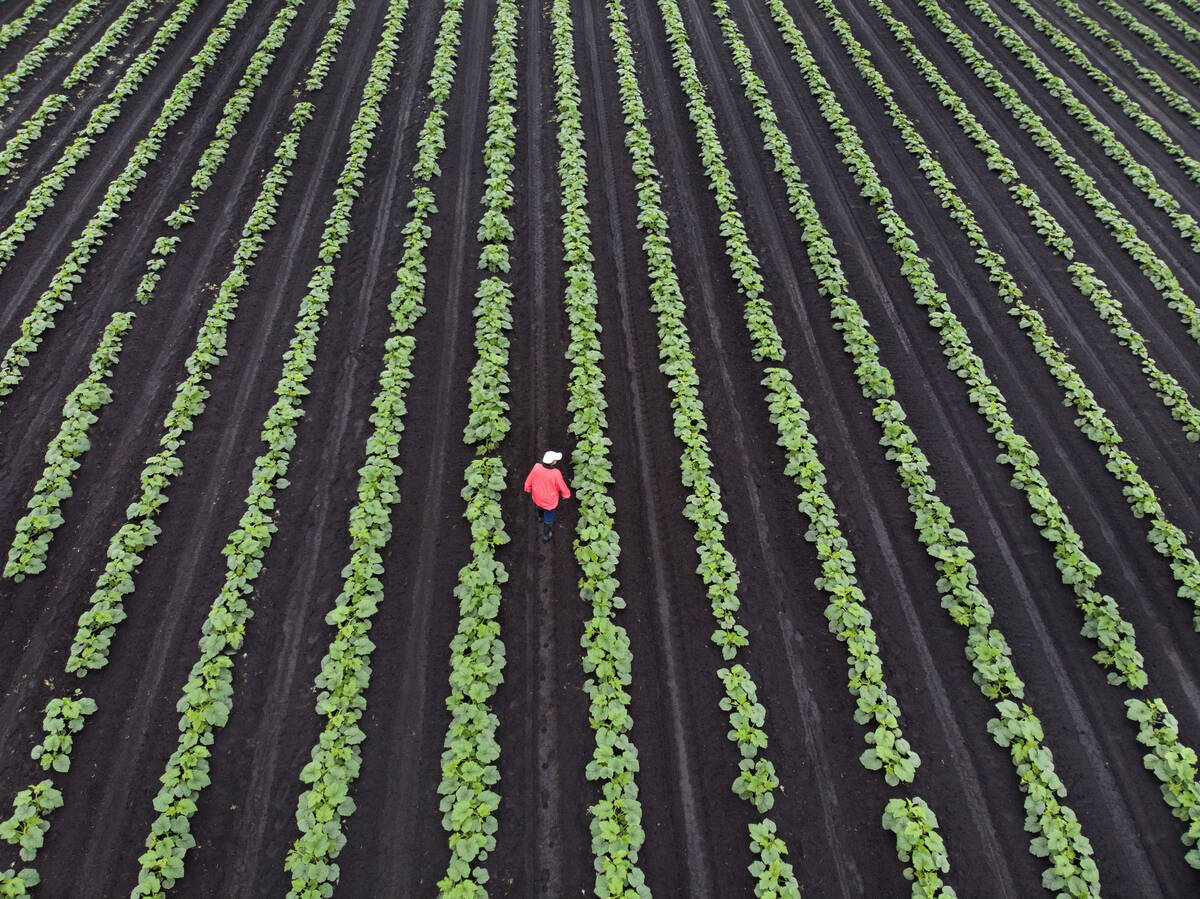
Could crop sharing be a viable option for your farm?
Could crop sharing be a viable option for your farm? There are pros and cons for both the renter and the landlord to consider when entering crop sharing agreements.
And even though working with family can be difficult, successful sibling operations seem to leverage the unique advantages of their relationships to create growth for their farms.
While scale matters, it takes more than an economic advantage to make a family farm grow. Successful sibling-run farms consistently implement practices that any farm with multiple decision makers can apply to their own operations.
Here are some examples of sibling-run farms and what they do to drive growth and maintain relationships.
Align values and goals
One of my favourite sibling farm businesses is led by two very different brothers. Like the cheeky definition of a mullet (a short-in-the-front, long-in-the-back hairstyle popular in the 1980s), one brother is all business in the front while the other is the party in the back — meaning despite diverse personalities and skills, they make it work.
Leaning into each other’s personalities, specialized skills and knowledge, they’ve expanded the original family “pick-your-own” farm business into multiple farm markets while maintaining quality homegrown produce, the core foundation of their business.
Their goals for the farm are aligned, but their roles are separate. They stay out of each other’s lanes. Each sibling strives to achieve their individual indicators of success and have autonomy to make decisions in their areas of expertise. Since they’re both focused on doing what they like, they’re less stressed and more efficient.
No matter how diverse the enterprise or its people, consistently well-run farms define and align their core values.
Governance matters
Every family business can benefit by establishing rules around accountability and finding consistent ways to make decisions collaboratively. This becomes even more important when siblings work together, because smart decision-making structures make for better farms and happier families.
One of my favourite examples of this type of collaborative management structure comes from a dryland farm in southern Saskatchewan. The sister oversees grain operations, one brother is a skilled mechanic and manages the shop, and the other brother ties it all together with his financial acumen and by ensuring consistent communication and decision-making.
The farm also has an advisory board to add an extra level of knowledge and perspective to decisions. Because the advisory board acts as an objective third party, conflicts tend to be resolved more quickly and civilly.
The siblings meet regularly to talk about operations and carve out separate time slots to discuss business. They have very clear rules on what decisions they will make together and how majority rules.
Predetermine ways to resolve conflict
The reality is that the more individuals there are that need to/want to weigh in means that there will be more disagreements, more information and opinions, and it will take longer to make decisions.
It’s important to have everyone agree upfront on consistent, effective ways to resolve disagreements. For example, one farm I know says decisions over $10,000 require 100 per cent consensus or they simply don’t do it. Another multiple-sibling operation developed a cascade of questions to help guide large expansion decisions: Does it meet our core values? Can we afford it? Can our people handle it? What other equipment purchases will be required to make it happen?
Although difficult, it’s also imperative to include parameters in business agreements for how a business will end and how individuals can exit. Splitting up can be complex and expensive, so build in exit routes right from the start.
Compensation for the future
Compensation is a particularly tricky topic for siblings in business together. Add in the complexity of gifts, non-monetary benefits, such as housing, and each individual’s expectations, changing needs, rising educational costs and spousal off-farm incomes and it can get messy.
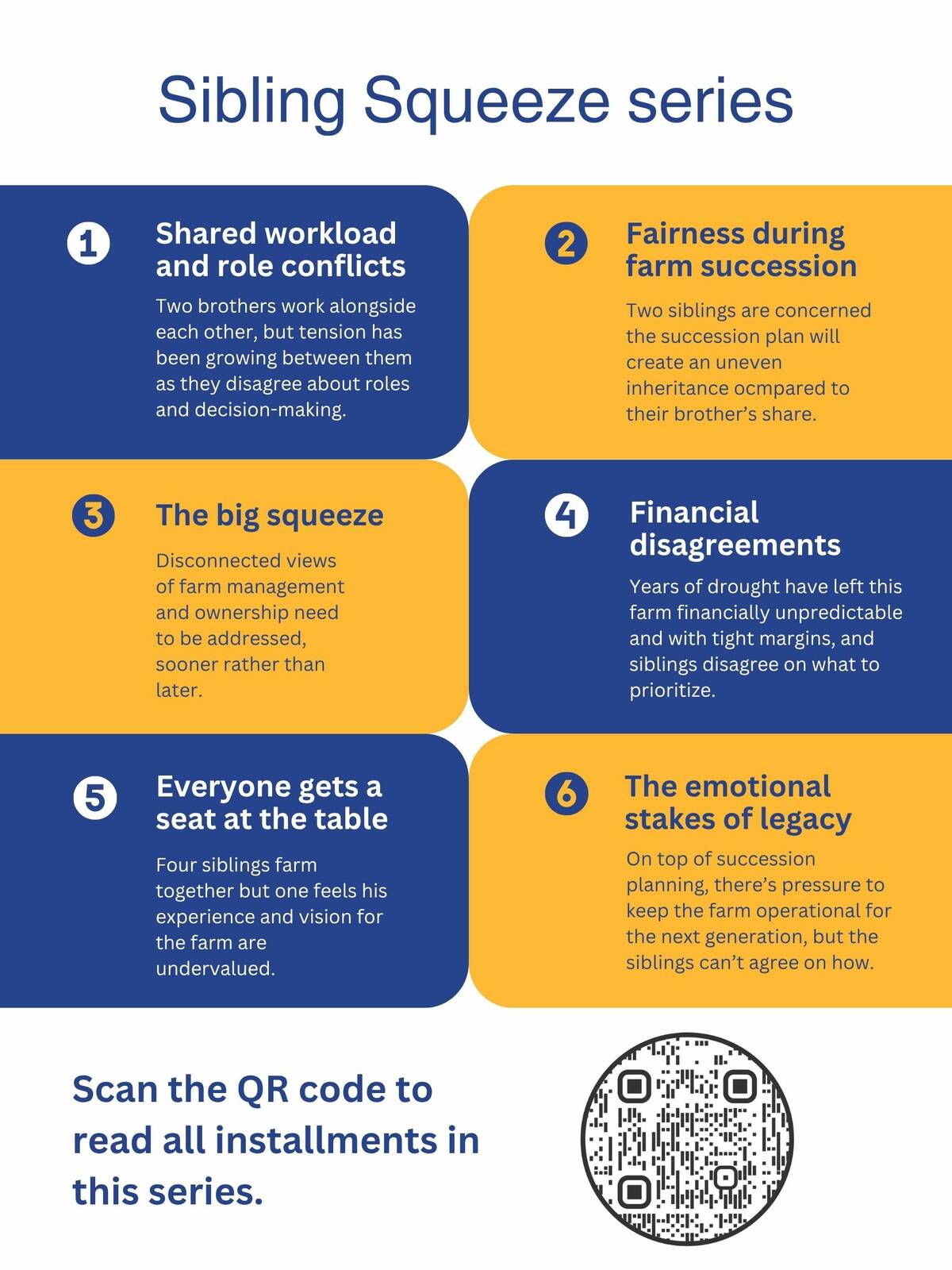
During the succession process parents will often start by giving equal pay and equal ownership shares to each sibling. But what happens when inflation takes off, or a failed crop means the farm can’t afford it all? Should a sibling who is picking eggs get paid the same as the sibling who has invested money and management decisions? How do you deal with maternity or paternity leave or farm-owned houses?
Tying compensation directly to jobs instead of people makes the process more objective. One way to do this is to set and track key performance indicators (KPIs) for each role. For example, gross margin per litre could be tracked for the task of feeding the dairy herd. KPIs create a culture of continual improvement and accountability.
In Manitoba, a farm with three sibling operators uses a commission-based payroll. Each manager receives a set percentage of the net income of their separate enterprise plus a base wage from the whole farm. Although it takes more accounting work, they find it has encouraged a growth mindset and lessens their natural competitiveness and rivalry.
Set boundaries
My neighbours have a very successful cropping operation and many years ago I asked one of the brothers what made their business so successful. His response stayed with me: he and his sibling had each other’s’ backs when things went wrong and they never took their work disagreements home.
Successful sibling businesses set boundaries for themselves and their families. One set of dairy farming brothers I know decided after a couple of years to amicably split the herd and assets and share some machinery instead of forcing themselves to work together. They genuinely tried to make the business relationship work but after five years they agreed that each had very different priorities and goals.
They used the divvied-up livestock and quota as a base for their individual farms and signed an agreement to work together on crop production. This tough decision saved their relationship.
They continue to help each other to this day and, most importantly, the brothers still love each other.

Source: producer.com