
U.S. farmers suggest fertilizer export restrictions
SASKATOON — A senior executive with the American Farm Bureau Federation recently floated an idea that won’t sit well with many Canadian farmers.
John Newton, vice-president of public policy and economic analysis with the bureau, thinks the United States should strongly consider restricting its fertilizer exports.
“In times like today, you start to wonder, do we need strategic reserves?” he told delegates attending the 2026 Agri-Pulse Ag & Food Policy Summit in Washington, D.C.
Read Also
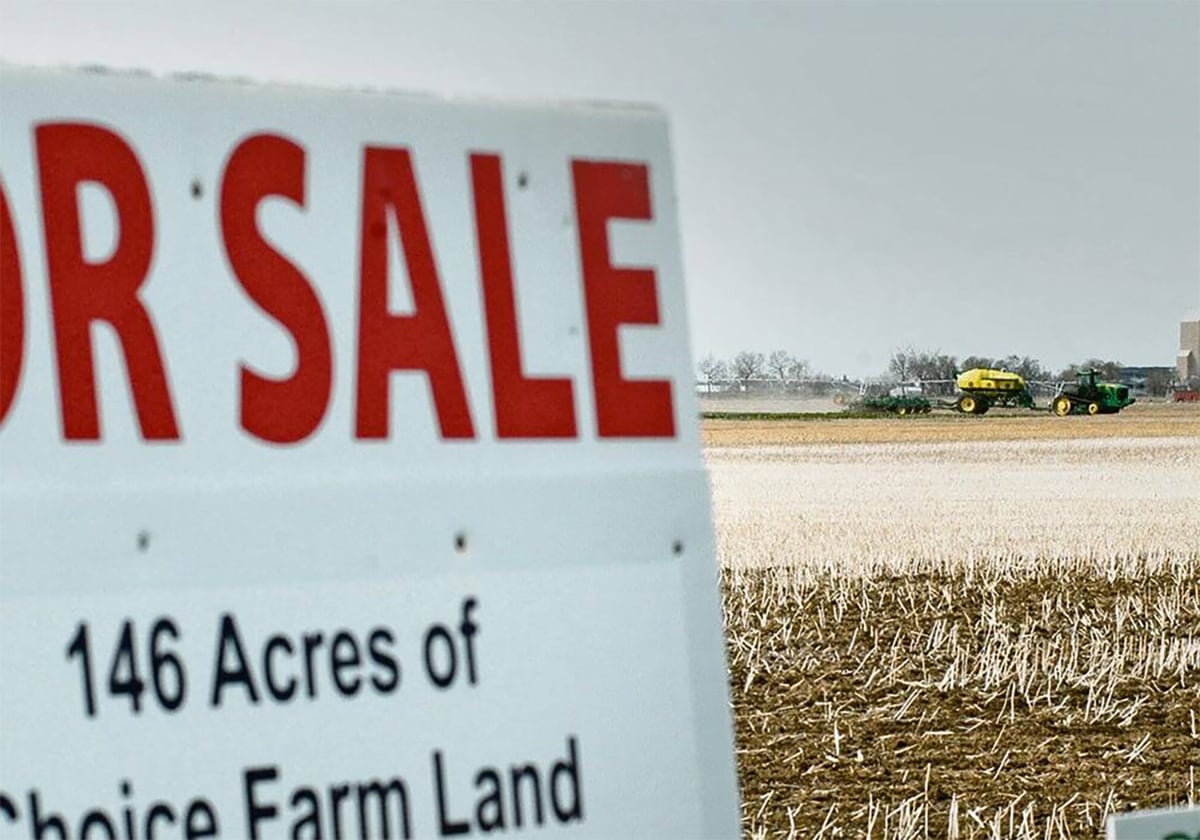
Realtor sees psychological shift in land market
Land prices may have climbed in 2025, but farmers and lenders are more cautious in 2026, says a Saskatchewan realtor
He noted that China and other exporting nations do it, so why shouldn’t the U.S. follow suit?
Why it Matters: The U.S. is a major supplier of fertilizer to Canada.
The U.S. exports 10 to 12 million tonnes of fertilizer per year, with much of that heading north. Canada accounted for 38 per cent of all U.S. fertilizer exports in 2025.
Newton said he and bureau president Zippy Duvall have met with John Boozman, chair of the U.S. Senate committee on agriculture, where they mentioned the idea of establishing a strategic fertilizer reserve.
U.S. farmers have been hit hard by the closure of the Strait of Hormuz due to the conflict in Iran.
He said 49 per cent of the global urea trade moves through that strait.
Urea prices in Illinois have jumped US$230 per ton since the closure of the strait. There has not been a two-week price spike of that magnitude in the past 20 years.
Diesel prices were up $1.09 per gallon in Illinois, the highest monthly jump in history.
“This will put a squeeze on farmers when they’re already feeling a squeeze,” said Newton.
He can’t think of a crop American farmers can grow that will make them money given today’s market dynamics.
Input costs are up about 40 per cent, or $135 billion, since 2015. Meanwhile, crop prices have been trending down since 2021-22.
So how have American farmers been surviving?
The answer is government support. U.S. farmers received $125 billion in ad hoc payments between 2017 and 2024.
“Continued ad hoc support is not the solution,” said Newton.
“We have to find another way.”
The One Big Beautiful Bill Act is part of the solution, but a lot of the enhancements to U.S. farm programs contained in the act do not kick in until this fall.
Farmers will need another ad hoc payment to tide them over until those enhancements occur.
However, the real long-term solution is to expand domestic demand for U.S. crops because competition in the export arena is simply too fierce.
Brazilian farmers will likely export more soybeans than American farmers produce in 2026-27.
The other problem in the export market is that the global population is declining. China’s population peaked in 2021, while the European Union’s apex was in 2020.
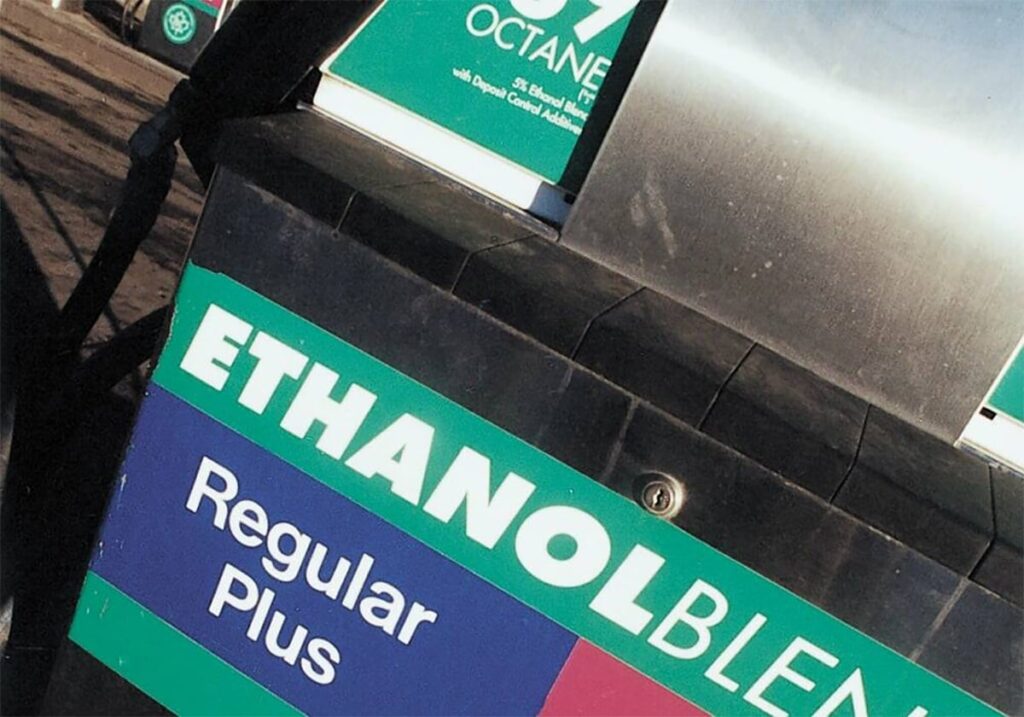
The only way out of the quagmire is to increase crop-based feedstock consumption by the U.S. biofuel sector, and there is encouraging news on that front.
“We’re very, very close on year-round E15,” said Newton.
“Closer than ever.”
Year-round consumption of 15 per cent ethanol blends would increase corn consumption by the ethanol industry by 50 per cent.
“The focus on rebuilding domestic demand for agriculture is critically important for our success moving forward, given the competitive environment that we’re in and given the tight margin environment we continue to face,” he said.
The U.S. has lost 199,000 farms over the past 10 years.
“If we don’t do something to reverse this course, we are going to continue to see more farm operations go out of business,” said Newton.

Source: producer.com