

U.S. winter wheat prospects decline as drought continues
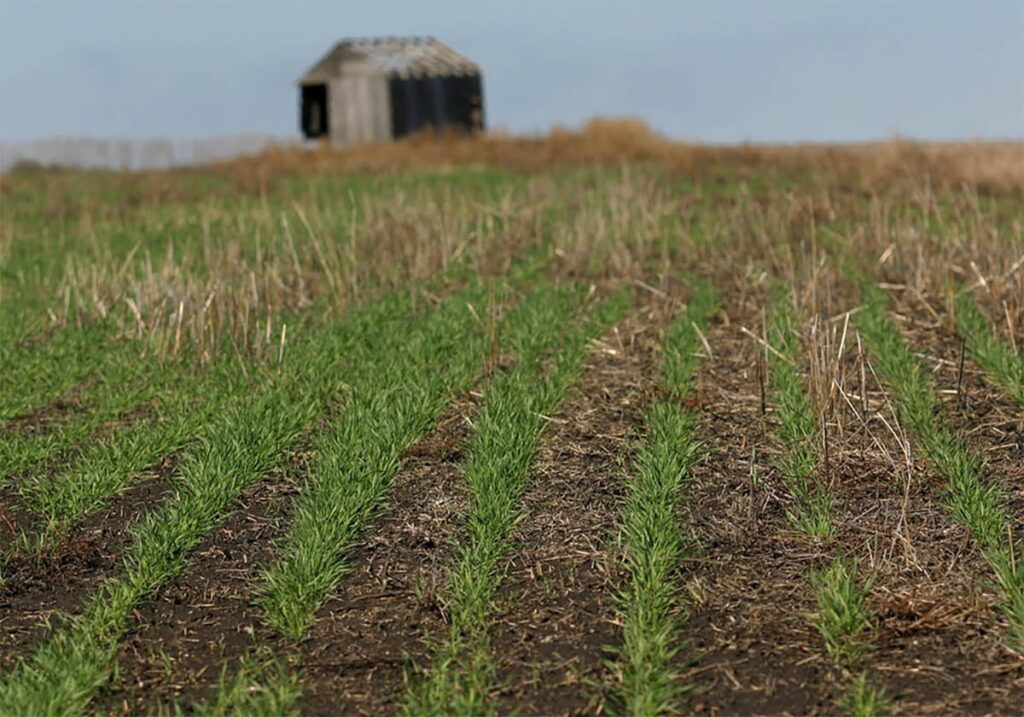
The Oklahoma crop tour concluded this past week, and the results were a stark reminder of how challenging the growing season has been this year.
The tour estimated production at 47.8 million bushels. If the tour results are accurate, this would be the smallest crop in Oklahoma in more than 30 years and similar to the output in 2014.
The yields in Oklahoma were estimated at 23.1 bu. per acre, which is a significant drop from the 38 bu. per acre produced last year.
This yield would be the lowest since the 2014 crop year, when 17 bu. per acre were produced.
The U.S. Department of Agriculture’s yield estimates are likely to be higher than the crop tour but are still expected to show a dramatic decline from last year.
USDA will release its first estimates of wheat production on May 12, and the results from surrounding states will likely be similar to the Oklahoma crop tour.
Read Also

The drought extends from Oklahoma into Kansas, Texas, Colorado and Nebraska. Most of the region is suffering from severe to extreme drought.
This will certainly have an impact on production of hard red winter wheat this year.
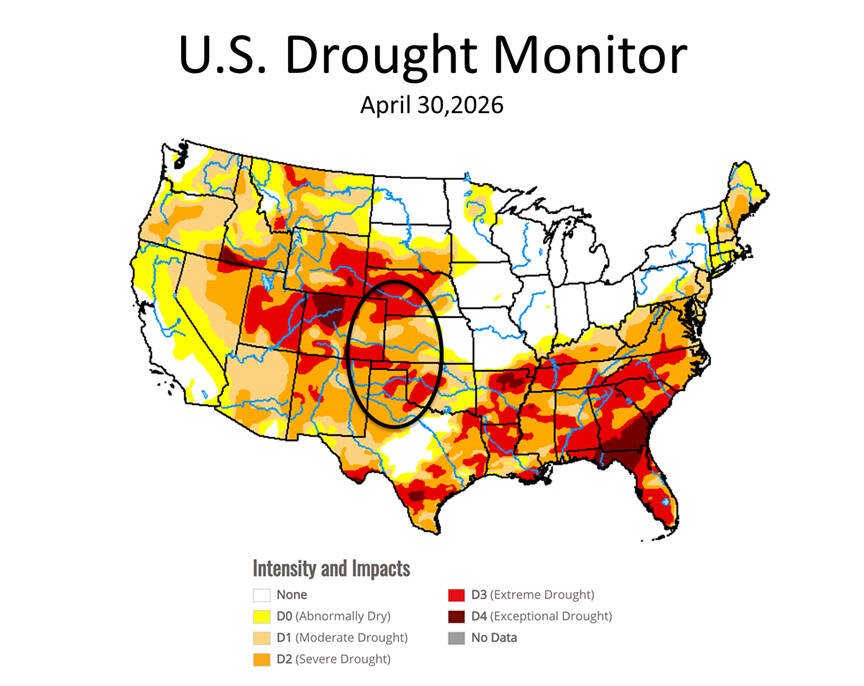
Photo:
U.S
The drop in production is expected to be magnified by the smaller area devoted to the crop.
The combination of low yields and a reduced area will likely drive production below the 650 million bu. level. This will result in a much tighter wheat situation for the 2026-27 marketing year.
Although futures values have increased in the past month, they remain mostly driven by the war news in the Middle East.
The wheat market will need to turn its attention to wheat supply in the coming months.
Global wheat production is expected to drop by 20 to 25 million tonnes from last year.
The drop in U.S. production will hasten the tightening of the world wheat situation.
Source: producer.com