
What will be the next big Prairie crop?
A press release from Bayer recently caught my attention.
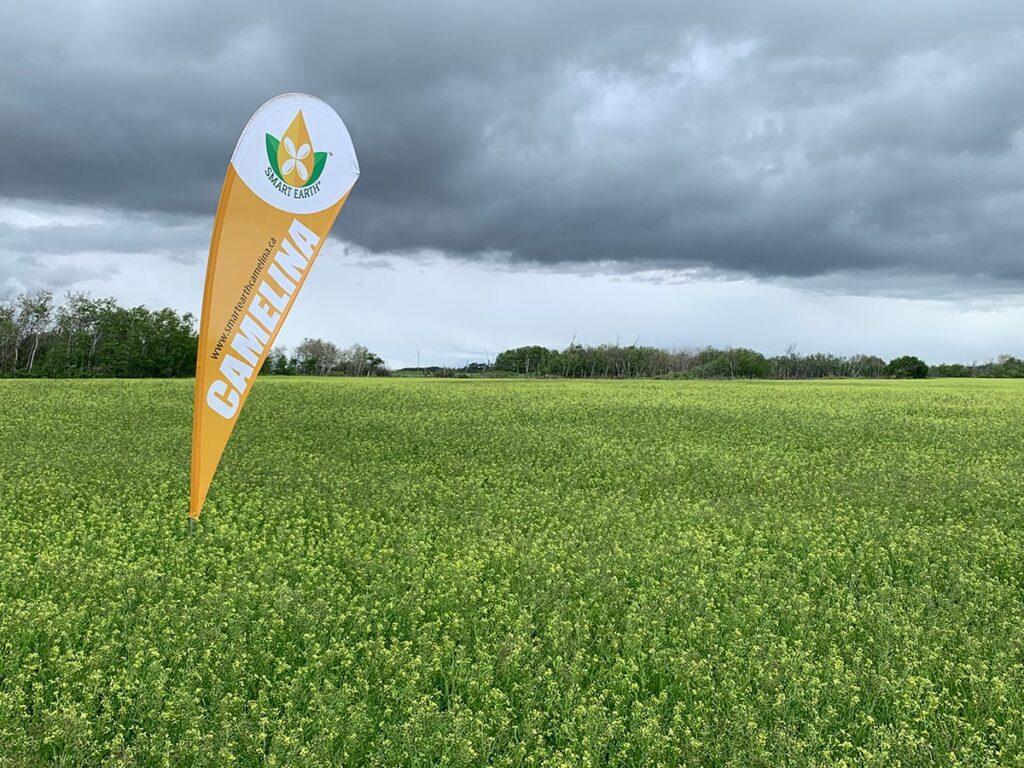
The company announced it was collaborating with BP to commercialize camelina for producing biodiesel, renewable diesel and sustainable aviation fuel.
It got me thinking that I wrote a bunch of stories a decade ago about how camelina and carinata were going to be the next big oilseed crops, and now it appears the rubber is finally hitting the road.
It’s probably about time for a new crop to be introduced into rotations.
King wheat dominated the Prairie landscape for decades, vying with oats and barley for much of the 1900s.
And then along came Cinderella canola in the 1970s, a crop that would eventually rival wheat’s popularity.
In fact, in 2017 Canadian farmers planted more canola than wheat, a feat that has never been accomplished before or since.
Pulses never came close to matching canola’s success, but peas and lentils became mainstays in crop rotations in the 2000s.
Read Also

Soybeans are another up-and-comer in the Prairies. I recall speaking to a DuPont Pioneer executive in 2013, who told me the company’s new double zero maturity group of soybeans would “open up several million acres” of the crop in Western Canada.
That did not happen on the scale he was talking about, but there is no doubt that it is a popular choice in Manitoba.
Growers in that province are expected to plant 1.87 million acres in 2026, a 12.9 per cent increase over last year. Saskatchewan farmers are forecast to seed 40,400 acres of soybeans.
What about corn?
The same Pioneer official thought corn would be a bigger crop than soybeans in Western Canada, forecasting that it would be a “normal rotational crop” in 10 years or less.
Manitoba’s growers are expected to plant 725,000 acres of corn in 2026. Alberta’s farmers are forecast to seed another 264,700 acres. Saskatchewan’s numbers are too unreliable to publish, according to Statistics Canada.
It’s safe to say that corn hasn’t exactly taken off in the Prairie region. The thought was climate change would help spur interest in the crop, but that doesn’t appear to have transpired.
Perhaps the next big crop will be some obscure one nobody is talking about today.
I have noticed that there is not as much hype about alternative crops as there was 20 years ago.
However, crop margins are thin and desperation is the mother of invention, so maybe the next camelina is on the way.
Source: producer.com