
Agriculture sector must fight against proposed AI data centres

When I first heard of an AI data centre being built near Regina, I was riled, but not surprised.
ChatGPT alone receives 2.5 billion prompts per day, so double or triple that number once you include AI chatbots such as CoPilot, Grok, Gemini and Root.
Artificial intelligence is used for a wide variety of purposes, such as emails that people don’t want to write themselves, questions that can be easily answered via a search engine, Facebook trend caricatures and personalized images for presentations.
Read Also
Federal Seed Increase Unit must be preserved
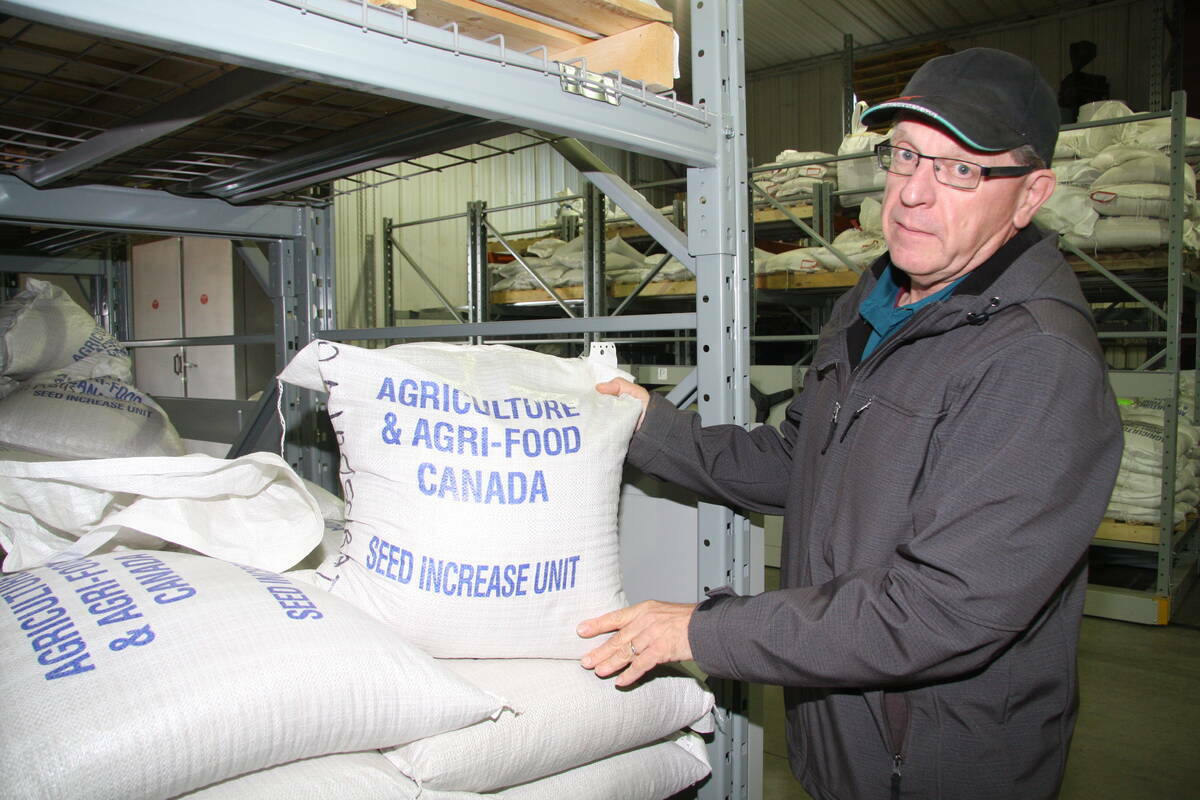
The Seed Increase Unit is an essential element of the Canadian pedigreed seed system. Its neglect or demise would be a serious blow to Canadian agriculture.
These uses of generative AI are a burden on the environment and a detriment to the intelligence of those using them, according to a Massachusetts Institute of Technology study that found continued use of AI reduces critical thinking and brain activity.
AI and its data centres strain resources such as power and water, increasing their costs, reduce air quality, kill plant and wildlife, take up important land space and are linked to harmful health conditions where they’ve been established.
They’ve been linked to boiled water advisories and blackouts throughout the United States, and the United Nations has declared that the world has entered an era of global water bankruptcy.
This data centre is coming to Regina, with a “closed-loop” cooling system — that still needs to get water from somewhere — and hooked into the SaskPower grid.
I’m confused as to why we want this in Saskatchewan, where our economy and trade are so tied to our land and resources, particularly the agriculture industry.
Other data centres have been proposed across Canada, including Edmonton and Kamloops, B.C., which are also surrounded by agricultural land use.
As well, there has yet to be any research from any organization, group or government to prove there won’t be a harmful effect to farming.
Considering the effect that AI has on two of the most important resources agriculture requires — land and water — the agriculture industry should be standing against the development of data centres and the use of generative AI as a whole.
Think of the ripple effect that a data centre in Regina would have on downstream water use, how reduced air quality would affect the growth and yield of crops and how future expansion would reduce farmland.
This will be a trade-off with farmers bearing the brunt and billion-dollar tech companies reaping the benefits.

Source: producer.com