
Ammonia fertilizer prices to remain elevated
SASKATOON — Ammonia fertilizer prices will likely remain elevated through the remainder of 2026, says an analyst.
Jake Preston, senior analyst with Argus Media, said 23 per cent of world trade in ammonia has been shut down with the closure of the Strait of Hormuz.
Exports from Saudi Arabia, Qatar, Iran, Bahrain and the United Arab Emirates were down about 300,000 tonnes per month compared to normal in March and April.
“The impact on ammonia prices was immediate and severe,” he said in a recent market outlook video.
Prices have been climbing since the United States launched Operation Epic Fury on Feb. 28, especially for markets east of the Suez Canal that are heavily dependent on Middle East supplies.
Ammonia prices had been softening prior to the hostilities due to the recent commissioning of the Gulf Coast Ammonia facility in Texas City, Texas, and Woodside Energy’s new plant in Beaumont, Texas.
Those two new world-scale facilities will eventually contribute up to two million tonnes per year in exports.
Read Also

“These were expected to swing the market into over-supply and cause bearish pricing in the first half (of 2026),” said Preston.
The war in Iran quickly changed that outlook.
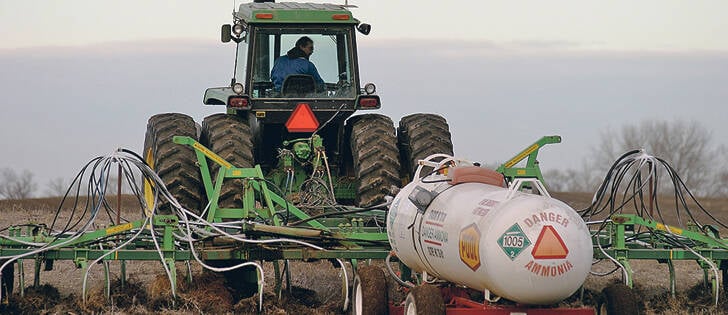
WHY IT MATTERS: Prairie farmers are big users of anhydrous ammonia fertilizer.
He doesn’t anticipate any big volumes of ammonia to be moving through the Strait of Hormuz until the second quarter of 2026.
In the meantime, the lack of Middle East exports is pushing the balance of product “severely into deficit” east of the Suez.
Ammonia from northwestern Europe had been trading at a huge premium to product from India before the start of the Iran war due to the lingering impact of the Russia-Ukraine conflict, which drove up natural gas prices in Europe.
That premium has evaporated because India typically buys 1.9 million tonnes, or 80 per cent, of its annual supplies from the Middle East. It is used to make phosphate fertilizers.
If exports remain curtailed, prices in India could easily reach US$1,000 per ton, which would be double what they were before the hostilities.
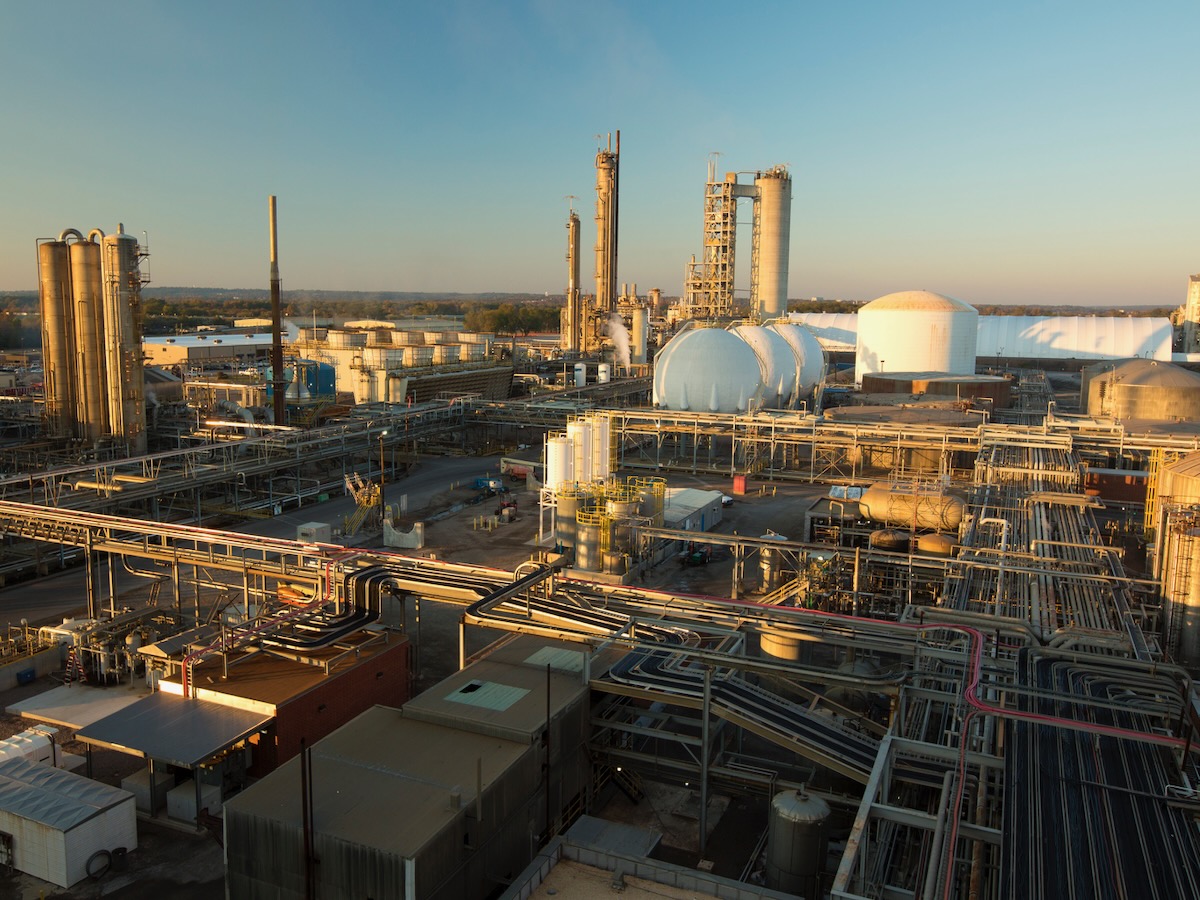
Photo:
Nutrien
It doesn’t help that Nutrien has idled its four production plants in Trinidad and Tobago since September 2025 due to a gas dispute with the government of that country.
Those plants have the capacity to produce two million tonnes of the fertilizer per year. Exports out of Trinidad are 100,000 to 150,000 tonnes per month lower than the seasonal average.
Buyers west of the Suez have more supply options due to the addition of the two new U.S. plants and American domestic demand starting to ebb as application season draws to a close.
European producers are also operating at high rates due to favourable production costs because the high price of ammonia is more than offsetting rising natural gas prices.
Preston is assuming that volumes from the Middle East will begin to flow by the end of May, picking up in June and July.
That will cause prices to ease, although he expects them to remain above average through the remainder of 2026.
“The global market will suffer extensively if the Strait of Hormuz remains closed beyond the next month,” he said.
Source: producer.com